Oct 30 , 2026
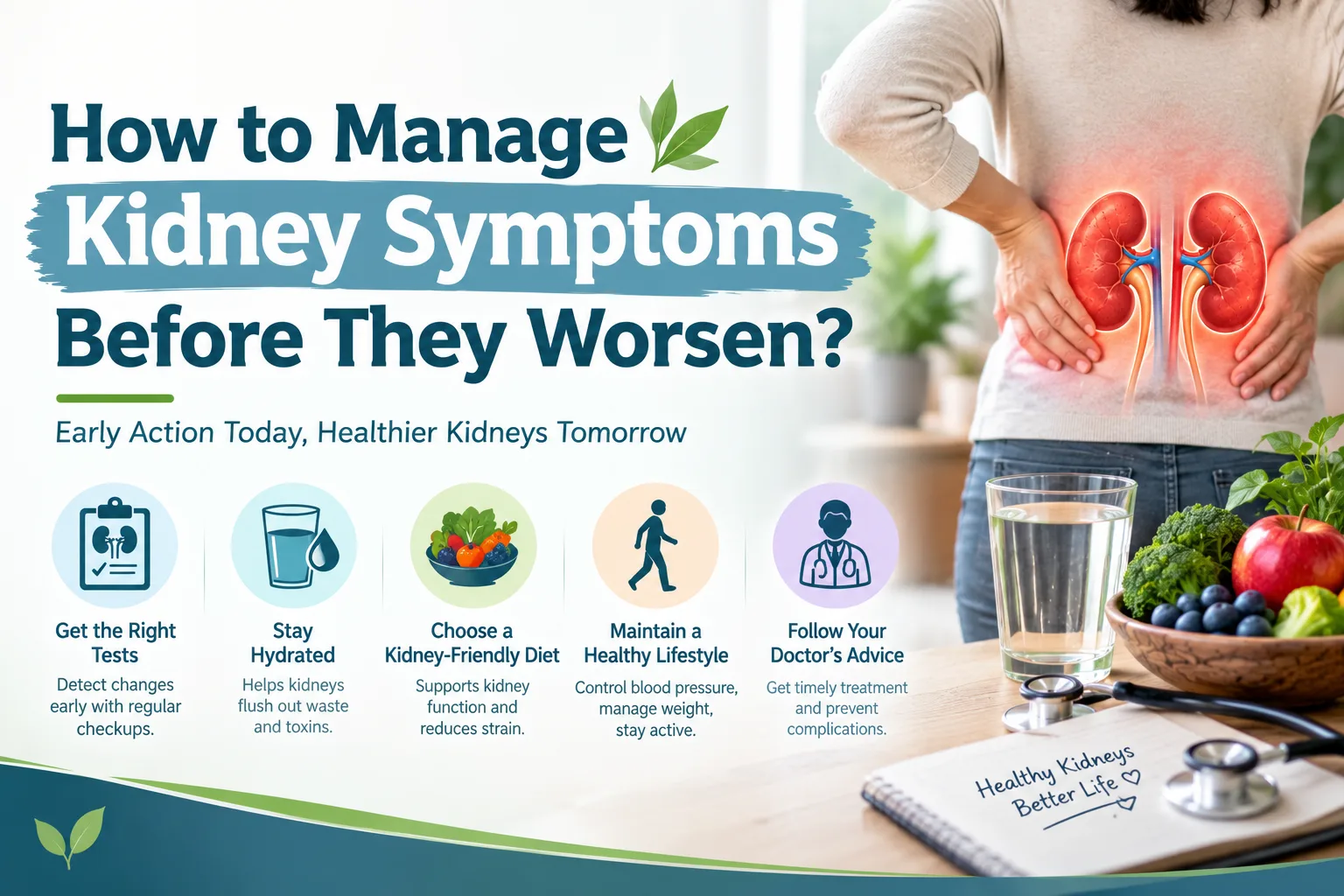
Yes, you can slow kidney trouble down a LOT if you catch it early, and most of that comes down to knowing what to look for and getting kidney disease help before things snowball. That's really it. That's the whole answer. Everything below is just me unpacking why.
Here's the thing about kidneys nobody tells you at school: they're the most overworked, underpaid organs in your entire body. They filter your blood, keep your fluids in check, and clean up after literally every 2 a.m. snack decision you've ever made, and they do it without a single complaint. Until, one day, they do complain. And by then they've usually been complaining quietly for years, and you just weren't listening.
So no, this isn't going to be one of those "10 miracle foods that heal your kidneys overnight" posts. It's more like... how do you notice the whisper before it becomes a scream?
Honestly? Most people don't. That's the annoying part. A sign of kidney disease rarely walks in wearing a name tag. It just blends in with all the other stuff you already blame on being tired, getting older, or having one too many samosas last week.
Things worth paying attention to:
There's actually a fair bit of research backing up how sneaky this disease is. A review on chronic kidney disease pointed out that it affects roughly 13% of adults worldwide and tends to progress without any obvious symptoms until the damage is already fairly advanced. So the symptoms basically show up last, after the trouble's already been brewing a while. Rude, honestly.
This is where managing kidney symptoms early stops being a phrase your doctor says while barely looking up from the keyboard, and starts actually mattering.
Nothing fancy here, just the basics done consistently:
📩 Ask a Kidney Expert (Free 10-Min Consultation)
|
Habit |
The Kidney-Friendly Version |
What Your Kidney Is Probably Thinking |
|
Salt |
Herbs, lemon, garlic, spice it up |
"Oh thank god, I can breathe again" |
|
Painkillers |
Only when actually needed |
"Please, not another one" |
|
Water |
Sipping steadily through the day |
"This feels like a spa day" |
|
Symptoms |
Getting checked instead of googling at 2 a.m. |
"Finally, someone's listening" |
Talk to any kidney disease patient who caught it late, and they'll usually say the same thing; they wish they'd acted sooner, back when there were more options on the table. Once damage progresses far enough, it's often not reversible, just manageable. That's the whole reason doctors keep repeating the same unglamorous advice about diet and checkups. It's not exciting. It just works, and that's the point.
Good kidney care was never about some dramatic overhaul. It's the boring, unremarkable stuff repeated often enough; kind of like flossing, or actually replying to texts on time. Nobody's excited about it in the moment, but future-you will be grateful.
If any of this sounds familiar, don't wait around for things to get worse before looking for kidney disease help. A five-minute conversation with your doctor now beats a stressful one later, every single time.
📩 Ask a Kidney Expert (Free 10-Min Consultation)
Puffiness around the ankles or eyes and unexplained tiredness tend to show up first for most people.
Early damage can often be slowed or improved, but once it's advanced, it's usually about management rather than a full reversal.
Most doctors suggest staying under roughly 2,000 mg of sodium a day to take some pressure off your kidneys.
Not really; steady, sensible hydration beats forcing down gallons of water for no real reason.
The moment symptoms like swelling, fatigue, or urine changes stick around for more than a few days, don't wait it out.
Disclaimer: This article is meant for general awareness and isn't a stand-in for professional medical advice, diagnosis, or treatment. Please talk to a qualified healthcare provider about any kidney symptoms or concerns before changing your diet, habits, or medication.