Oct 23 , 2026
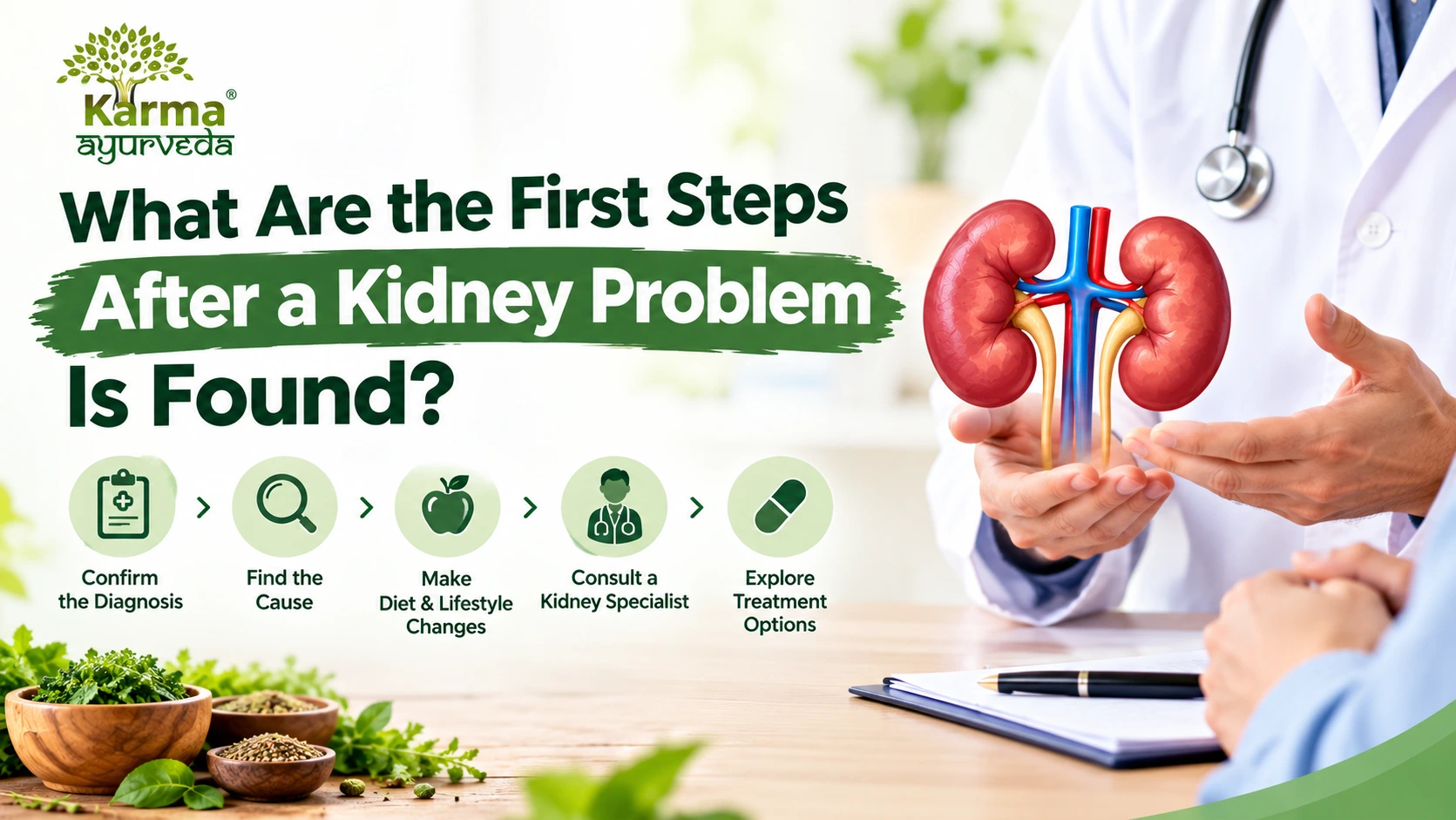
Your report comes back, one number is highlighted in red, and suddenly you're wide awake at midnight reading forum posts written by strangers named "kidneywarrior92." Here's the honest, no-drama answer: get the test redone, and go see a kidney disease doctor before your brain writes the worst possible ending for you. Seriously, that's most of it. Everything else below is just the "okay but how exactly" part, told the way a friend would tell you over chai, not the way a textbook would.
Somewhere in your blood work, two numbers probably caught your regular doctor's eye: creatinine and eGFR. These are the ones nephrologists (that's just a fancier, harder-to-spell word for a kidney disease doctor) obsess over the way some uncles obsess over cricket stats.
And look; if you stared at your report and understood absolutely nothing, welcome to the club. Most people don't. I've seen grown adults squint at "mg/dL" like it's a foreign language. It kind of is. What actually matters isn't decoding the report yourself; it's what you do next.
📩 Ask a Kidney Expert (Free 10-Min Consultation)
One weird reading is not a verdict. It's more like your body's way of raising an eyebrow at you. Doctors will almost always ask for a repeat kidney test, because these numbers shift around for boring reasons too: not drinking enough water that day, an intense gym session, or, let's be real, that extra-salty plate of chaat you didn't need but had anyway.
There's actual research behind this too, not just doctors being cautious for fun. Levey and colleagues, in a well-known paper published in the Journal of the American Society of Nephrology, pointed out that a single low eGFR reading isn't enough on its own; you need it to stay low across a few months before anyone can call it chronic kidney disease. So no, one scary Tuesday doesn't define your kidneys.
I know, I know; nobody loves adding another appointment to their calendar. But this is the step that matters most. A kidney disease doctor will dig into your history, your blood pressure, your sugar levels, your family's medical drama, and probably order a few more tests like a urine albumin check or an ultrasound.
Ask whatever feels like a "dumb" question. Trust me, doctors have heard far weirder things than "wait, so my kidneys clean my blood?" That's a completely normal thing to not know off the top of your head.
Here's the simplest way I can put it: your renal function is just a measure of how well your kidneys are filtering out waste and extra fluid from your blood. Picture your kidneys as those quiet, overworked office cleaners nobody thanks until the trash starts piling up. That's basically what's happening when function starts slipping.
Once you and your doctor know where things stand- early stage, mild, something more urgent- the whole situation stops feeling like a mystery and starts feeling like a plan. If you're considering Ayurvedic kidney treatment, discuss it with your nephrologist first to make sure any proposed remedies are appropriate and safe for your condition.
While all the testing and appointments are happening, most doctors will nudge you toward some basic kidney care habits, and honestly, none of these are dramatic:
A 2021 study published in The Lancet found that early lifestyle changes can genuinely slow down kidney decline in people caught in the early stages. So, this isn't your doctor being dramatic; there's real evidence backing it.
For anyone looking into a natural treatment for kidney diseases, healthy lifestyle changes can support kidney health, but they should complement, not replace, appropriate medical evaluation and treatment.
If the whole thing feels like too much- emotionally, financially, logistically- look around for kidney disease help through patient support groups or hospital counseling services. A lot of people quietly assume they have to handle this solo. You really don't.
Handling-It Mode
If things do move from "possible issue" to confirmed diagnosis, don't panic; this usually just means medication tweaks, some diet adjustments, regular check-ins, and maybe a dietitian joining your team. Knowing what to do after a kidney diagnosis early makes a real difference down the line. This isn't a "your life just changed forever" moment; it's more of a "let's manage this like adults" moment.
📩 Ask a Kidney Expert (Free 10-Min Consultation)
Get it retested and book time with a nephrologist instead of jumping to conclusions.
Nope; one result is just a starting point, not the full story.
Yes, genuinely; things like drinking enough water and cutting salt do help.
As soon as your regular doctor flags something off or hands you a referral.
Not always; plenty of early-stage cases are manageable with the right care and monitoring.
This blog is written for general awareness and isn't meant to replace professional medical advice, diagnosis, or treatment. Please talk to a qualified healthcare provider about your specific kidney health, test results, or any concerns before making decisions.