Oct 16 , 2026
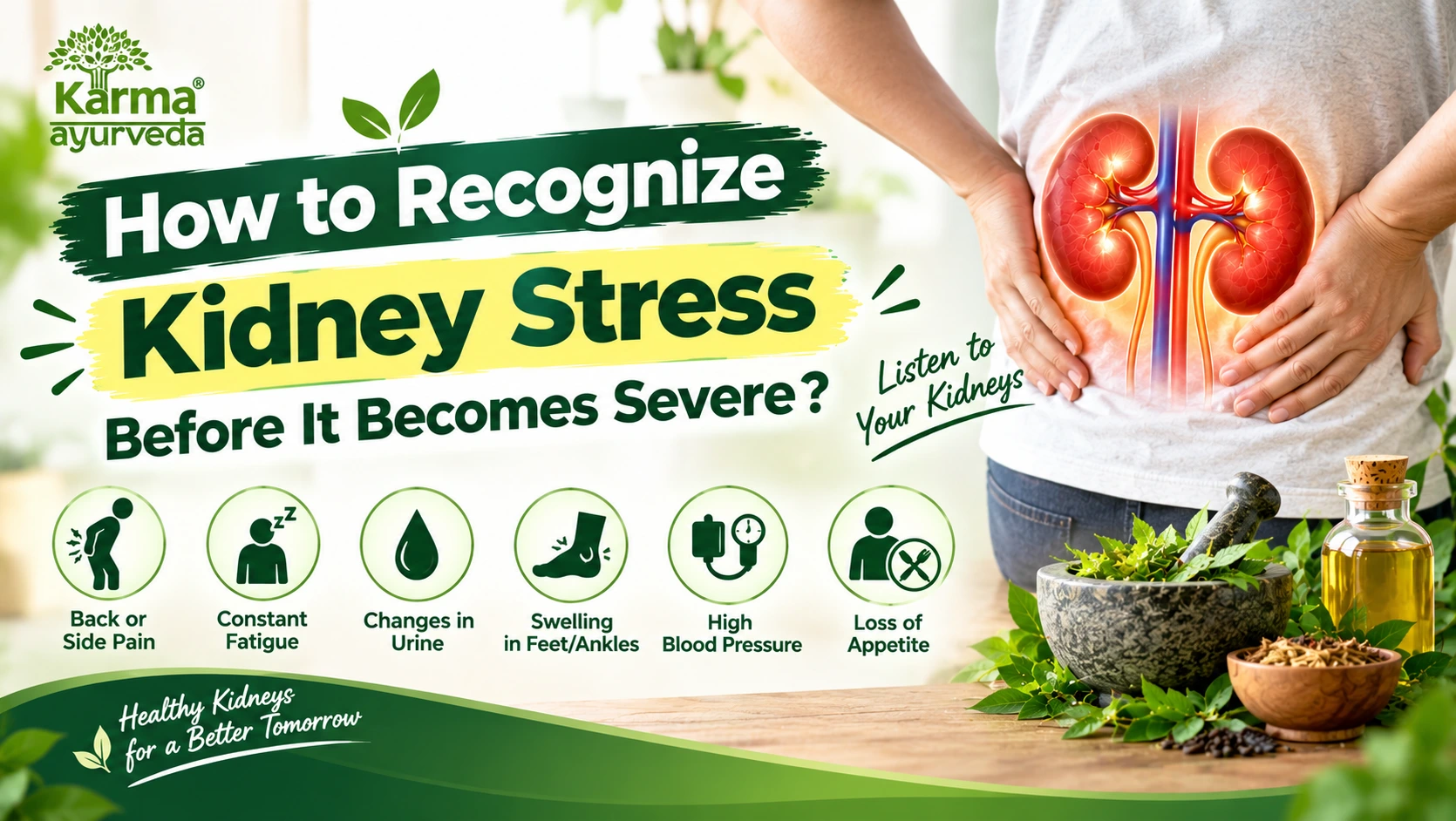
Early kidney stress symptoms are quite subtle: puffy eyes, foamy urine, and changes in how often you visit the toilet. Catching these signs early may allow you to prevent the development of the problem.
The kidneys are probably the humblest workers of your body. Day and night, they are doing their job, processing waste, and regulating everything, silently doing their work without saying a word. It is not until the moment when the sink overflows that one realizes their importance. Let's discuss what signs you should pay attention to, what research says, and what you should do about it, with minimal use of complicated terms and, of course, with several jokes.
Kidney is the organ with a large reserve; thus you may lose much kidney function before feeling something. According to the CDC, most adults with kidney disease have no clue that they are sick. That's like an alarm that does not work because of a depleted battery.
Here are the signs of kidney disease that you should look out for:
📩 Ask a Kidney Expert (Free 10-Min Consultation)
|
What you notice |
Probably normal |
Worth a doctor visit |
|
Tiredness |
You have stayed up until 2 a.m. watching TV shows. |
You have been exhausted from sleeping for only 8 hours for weeks. |
|
Puffiness |
Last night's salty noodles |
Swelling that overstays its welcome |
|
Foamy urine |
Once, and then it disappears |
Bubbles, every time |
This is not only idle online talk. The Global Burden of Disease Chronic Kidney Disease Collaboration study published in The Lancet in 2020 estimates that there were nearly 700 million people with chronic kidney disease worldwide in 2017. Another significant source is the Chronic Kidney Disease Prognosis Consortium (The Lancet, 2010), which compiled the data from more than a million patients. It revealed that lower eGFR and a greater amount of protein in the urine were independent risk factors for developing kidney failure and early death. In other words, those two indicators are very important and can be detected even at the initial stage when the person does not feel anything.
Most of the good kidney care is boring, and it is excellent news. You should drink a lot of water during the day, go easy on salt, check the level of blood pressure and blood sugar and use painkillers only if it is necessary. You can ask your doctor to perform a simple blood test (creatinine and eGFR) and a urine test (albumin) once a year if you are in a high-risk group.
If you are searching for kidney disease help, it's worth checking there first. Do tests and panic later.
In addition to conventional medical treatments, many people look for Ayurvedic kidney disease treatments. For example, Karma Ayurveda offers a variety of herbal, dietary, and lifestyle treatments for kidney problems, and it is founded by Dr. Puneet Dhawan. However, natural treatments for renal disease should not replace professional medical help. The efficiency of this type of treatment is not yet proven, and each herb or formula should be discussed with the doctor before being consumed by a kidney disease patient.
Your body often sends you signals. You don't need to panic over every yawn or morning puffiness, but rather pay attention to the patterns and get examined when some symptoms do not pass.
📩 Ask a Kidney Expert (Free 10-Min Consultation)
Often, yes, because early-stage problems are much easier to manage than late-stage ones.
Usually foamy urine or swelling, but sometimes it’s just feeling tired for no reason.
Once a year is a smart plan if you have diabetes, high blood pressure, or a family history.
Sadly, no; water helps, but it can’t replace proper tests and treatment.
Some people use it as a complement, but check with your doctor before trying anything.
This blog is for general awareness only and isn’t a substitute for professional medical advice, diagnosis, or treatment. Please consult a qualified doctor before making changes to your diet, medicines, or lifestyle, especially if you have symptoms or an existing health condition.
