Oct 12 , 2026
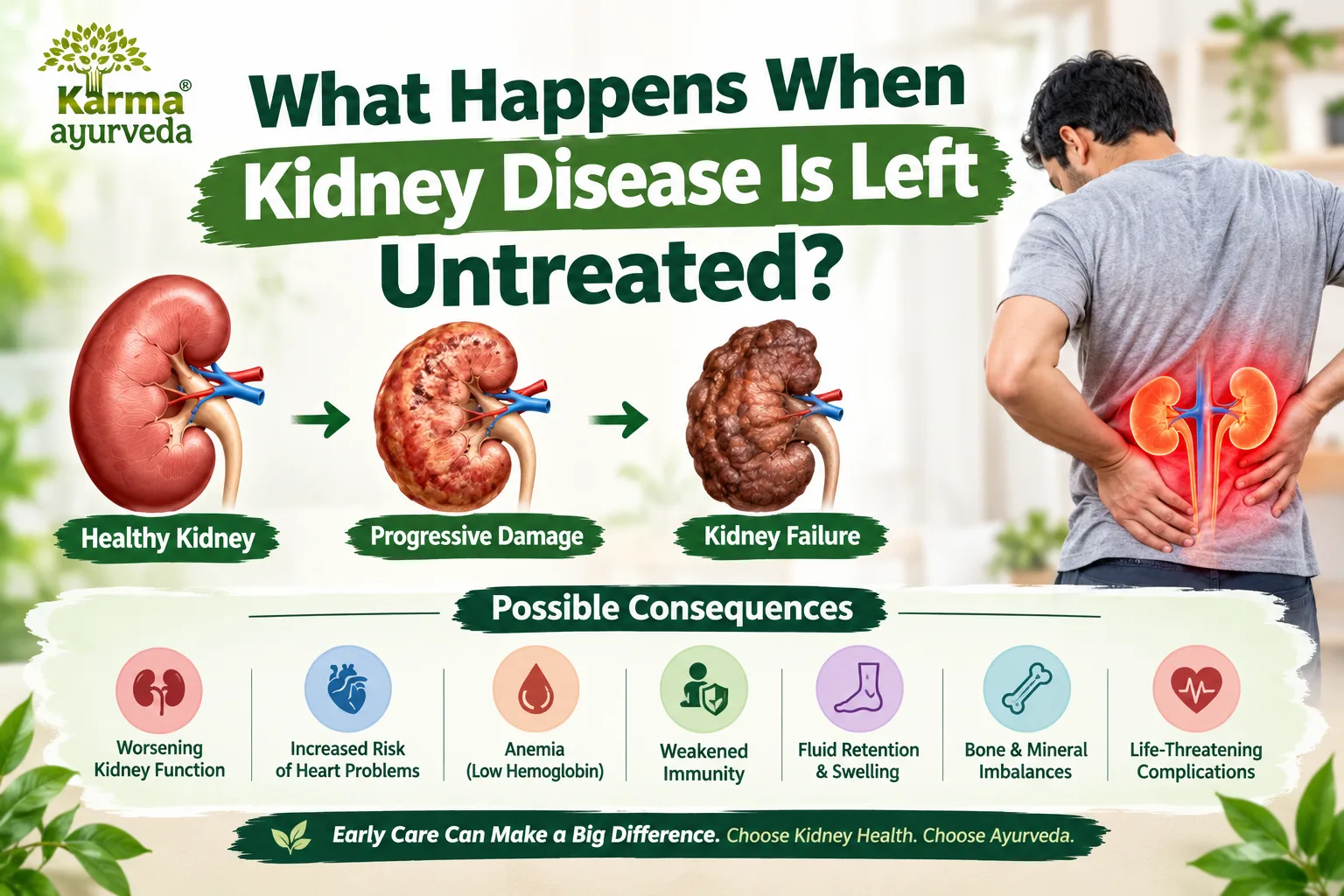
Short answer: nothing good, and definitely nothing that fixes itself. If kidney disease is ignored, it can gradually get worse: more fatigue, more swelling, higher blood pressure, until, in severe cases, the kidneys can no longer do their job properly. That's why I keep telling people (my own uncle included) that looking for kidney disease help the moment something feels off is not overreacting. It's just common sense.
I actually learned most of this the hard way, watching a family member brush off "a little swelling in the ankles" for almost a year because he assumed it was just his age or too much salt at dinner. Turns out kidneys are weirdly stubborn about complaining. They'll keep working even when their function has dropped, sometimes without so much as a warning sign, kind of like that one uncle who insists he's "totally fine" while clearly limping. By the time you actually feel something is wrong, there may already have been changes building for a while.
Nobody wakes up one day with full-blown kidney failure out of nowhere in most cases. It often creeps in. Think of it less like a light switch and more like your phone battery slipping from 100% to 20% while you weren't paying attention, and suddenly you're at 1% with no charger in sight.
Roughly, here's how it can unfold when kidney disease isn't properly managed:
There's actual research behind the importance of early care, not just my uncle's ankles. Studies have found that people with chronic kidney disease can face a greater risk of progression when their condition goes undetected or isn't monitored and managed appropriately. The exact risk varies, but getting checked early gives doctors a better chance to identify problems and manage them before they become more serious.
📩 Ask a Kidney Expert (Free 10-Min Consultation)
Here's the annoying part: kidney damage doesn't behave like a sprained ankle you can just rest and forget about. Some causes of reduced kidney function can improve with treatment, but established chronic kidney damage often cannot be fully reversed. And the untreated kidney disease risks don't stay neatly confined to the kidneys either; they can include heart problems, weak bones, anemia, and nerve trouble. Kidneys act like your body's filtration and plumbing system combined, so once that system starts struggling, the effects can show up in other parts of the body too.
People with diabetes or high blood pressure may face a greater risk of kidney disease progression, especially when these conditions aren't well controlled. That's why managing them early and consistently matters so much.
|
Ignored Kidney Disease |
Managed Kidney Disease |
|
Energy levels: running on fumes, permanently tired |
Energy levels: more room for normal daily activities |
|
Blood pressure: doing its own chaotic thing |
Blood pressure: monitored and treated as needed |
|
Long-term outlook: greater risk of renal failure and dialysis |
Long-term outlook: progression may be slowed, and complications managed |
|
Doctor visits: "I'll go next month" (narrator: they did not go) |
Regular check-ins, fewer surprises |
|
Peace of mind: constant background anxiety |
Better understanding of the condition and care plan |
If you're exploring natural kidney treatment, focus on safe, evidence-based habits and medical guidance rather than products promising to cleanse or repair your kidneys. Natural approaches aren't automatically safe or effective, and they should never replace necessary testing or prescribed treatment.
If you're considering the best Ayurvedic herbs for kidneys, speak with your nephrologist or another qualified healthcare professional before taking them. Some herbs and supplements can interact with medicines or may be unsuitable for people with reduced kidney function.
📩 Ask a Kidney Expert (Free 10-Min Consultation)
It may gradually worsen over months or years, eventually causing serious complications or kidney failure in some people.
Some causes of reduced kidney function can improve with treatment, but established chronic kidney damage generally cannot be fully reversed. Early care can help slow progression.
Possible signs include fatigue, swelling in the legs or face, foamy urine, and changes in urination. However, kidney disease can also cause no obvious symptoms early on.
Yes, both terms describe a serious loss of the kidneys' ability to perform their normal functions.
Arrange a medical assessment if you notice unexplained swelling, persistent fatigue, or changes in urination. Regular screening is also important if you have diabetes, high blood pressure, or a family history of kidney disease.
Disclaimer: This article is for general informational purposes only and isn't a substitute for professional medical advice, diagnosis, or treatment. Kidney disease affects everyone differently, so please consult a qualified healthcare provider for guidance specific to your health situation.
