Oct 05 , 2026
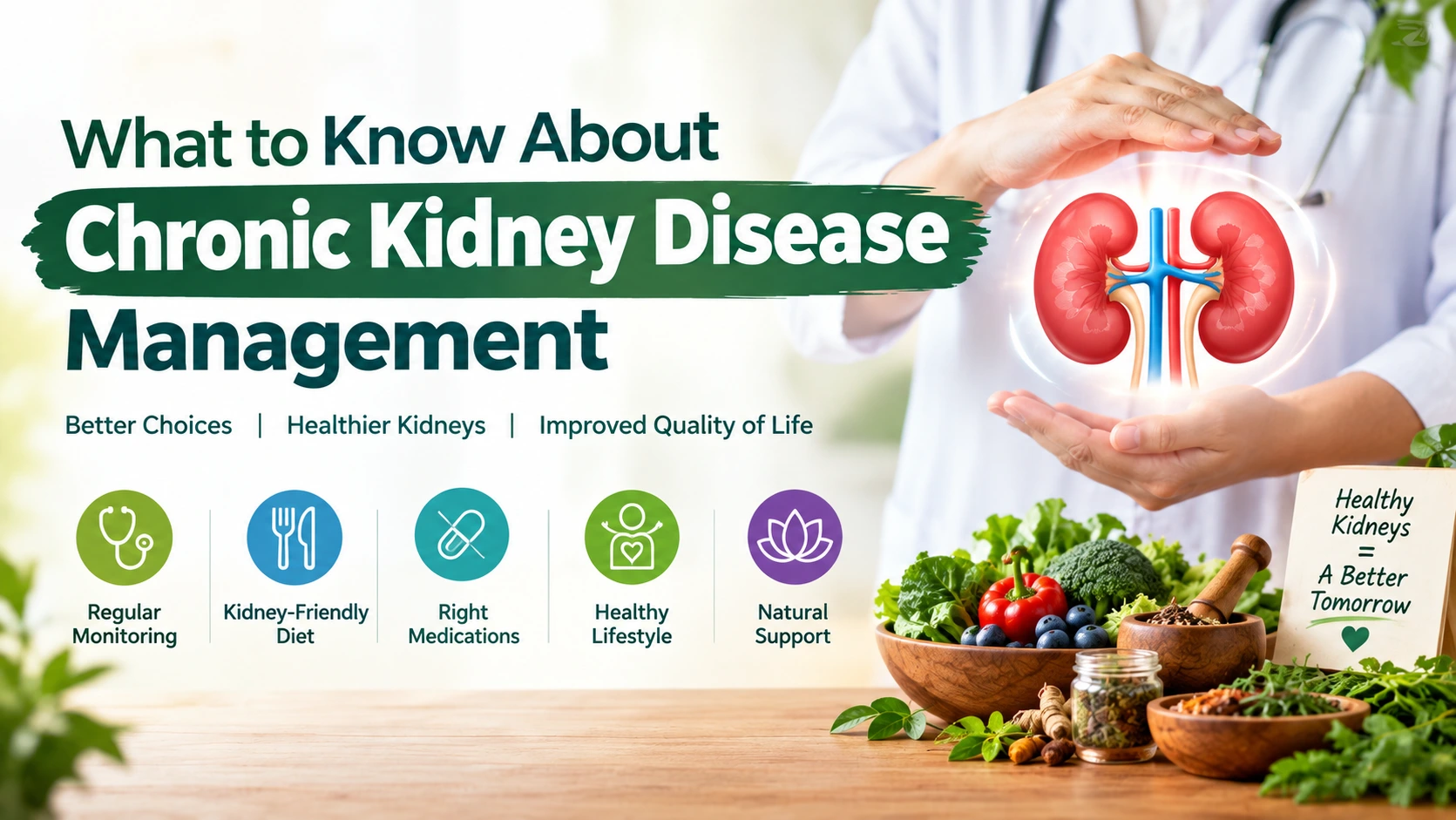
What actually works for chronic kidney disease management? Honestly, less drama than you'd think; catch it early, keep your blood pressure and sugar from misbehaving, and build a few boring habits you can actually keep up. No 47-step wellness ritual required.
Can we talk about how underrated kidneys are for a second? Your heart gets all the movie moments. Your brain gets all the credit at dinner parties. Meanwhile your kidneys are back there filtering something like 50 gallons of blood a day and nobody sends a thank-you card. Chronic kidney disease, or CKD, is one of those conditions that likes to hang around quietly for years before it says anything. Which, annoyingly, is exactly why "manage it" matters way more than "fix it once."
📩 Ask a Kidney Expert (Free 10-Min Consultation)
Bare-bones version: CKD means your kidneys have lost some filtering ability, and it's not the kind of thing that just bounces back on its own. Usually, it's years of diabetes or high blood pressure slowly wearing down the tiny filters inside your kidneys (they're called nephrons, if you want a fun fact for a party where nobody asked). The annoying part is that early CKD doesn't announce itself: no cramps, no fever, nothing. Just a lab number quietly sliding in the wrong direction while you're busy living your life.
That number is basically tied to your renal function; think of it as your kidneys' report card, minus the parent-teacher conference. Doctors track it with something called eGFR, and I'd genuinely put "know your own eGFR" up there with "know your blood pressure" as one of those small facts about yourself that pays off later.
Here's the part that should feel like a relief: managing chronic kidney disease isn't about finding some secret cure nobody's telling you about. It's mostly consistency, which, sure, sounds boring, but boring works. The main things that matter:
This is where CKD treatment has had a real glow-up lately, and I don't say that lightly. SGLT2 inhibitors were originally made for diabetes, but it turns out they're surprisingly good at protecting kidneys too. The DAPA-CKD trial found dapagliflozin cut the risk of kidney decline and cardiovascular death, and it was actually the first kidney-outcome study to test SGLT2 inhibitors in CKD patients both with and without type 2 diabetes.
The CREDENCE trial found canagliflozin cut the risk of kidney failure and related complications by around 30% in people with diabetic kidney disease. And EMPA-KIDNEY piled on more evidence, showing empagliflozin meaningfully lowered the combined risk of kidney disease progression or cardiovascular death compared with placebo. None of this means "go ask for the pill"; that's a conversation for your kidney disease doctor, who actually knows your stage, your numbers, and what else is going on with you.
If you're considering natural kidney treatment alongside your CKD care, remember that “natural” doesn't automatically mean safe or appropriate for everyone. It should not replace evidence-based treatment, regular kidney monitoring, or guidance from your healthcare team.
|
What you do |
How your kidneys feel about it |
|
Midnight salty snacks |
"Absolutely not." |
|
Actually, going to your BP check |
"Oh, someone remembered us." |
|
Forgetting to drink water all day |
"We are not camels." |
|
Taking your meds like, you're supposed to |
"Stage progression, delayed. You're welcome." |
|
That kidney-cleanse tea your cousin swears by |
"...that's not how any of this works." |
Real kidney care isn't one dramatic appointment where a doctor hands you a gold star. It's small, repetitive, kind of dull stuff; drink water like a normal person (not obsessively), move around a few times a week, keep an eye on your labs, and don't ghost your follow-ups just because you feel fine. CKD has a real talent for making you feel totally fine right up until it doesn't.
And here's the bit people miss about chronic kidney disease management: it's not a solo project. Nephrologists, your regular doctor, a dietitian if you need one, and yes; you, reading this instead of doing whatever you were supposed to be doing; all have a role. The earlier everyone's actually involved, the more choices you get to keep on the table.
If you're exploring the best Ayurvedic herbs for kidneys, talk to your healthcare provider before adding them to your routine. Some herbs and supplements can interact with medications or may not be suitable when kidney function is reduced.
📩 Ask a Kidney Expert (Free 10-Min Consultation)
Not usually all the way, but slowing it down significantly is very doable with the right plan.
Once a year is a reasonable baseline if you've got risk factors like diabetes or high blood pressure, though your doctor might want it more often.
Nope; good hydration helps in general, but it's not a treatment for CKD by itself.
Not automatically; it depends on your kidney function, stage, and other health stuff, so leave that call to your doctor.
Not always; it really depends on your stage, so it shouldn't be a blanket rule you just apply to yourself.
This blog is for general informational purposes only and isn't a substitute for professional medical advice, diagnosis, or treatment. Always talk to a qualified kidney disease doctor or healthcare provider about your specific situation before changing your treatment or lifestyle.