Nov 10 , 2026
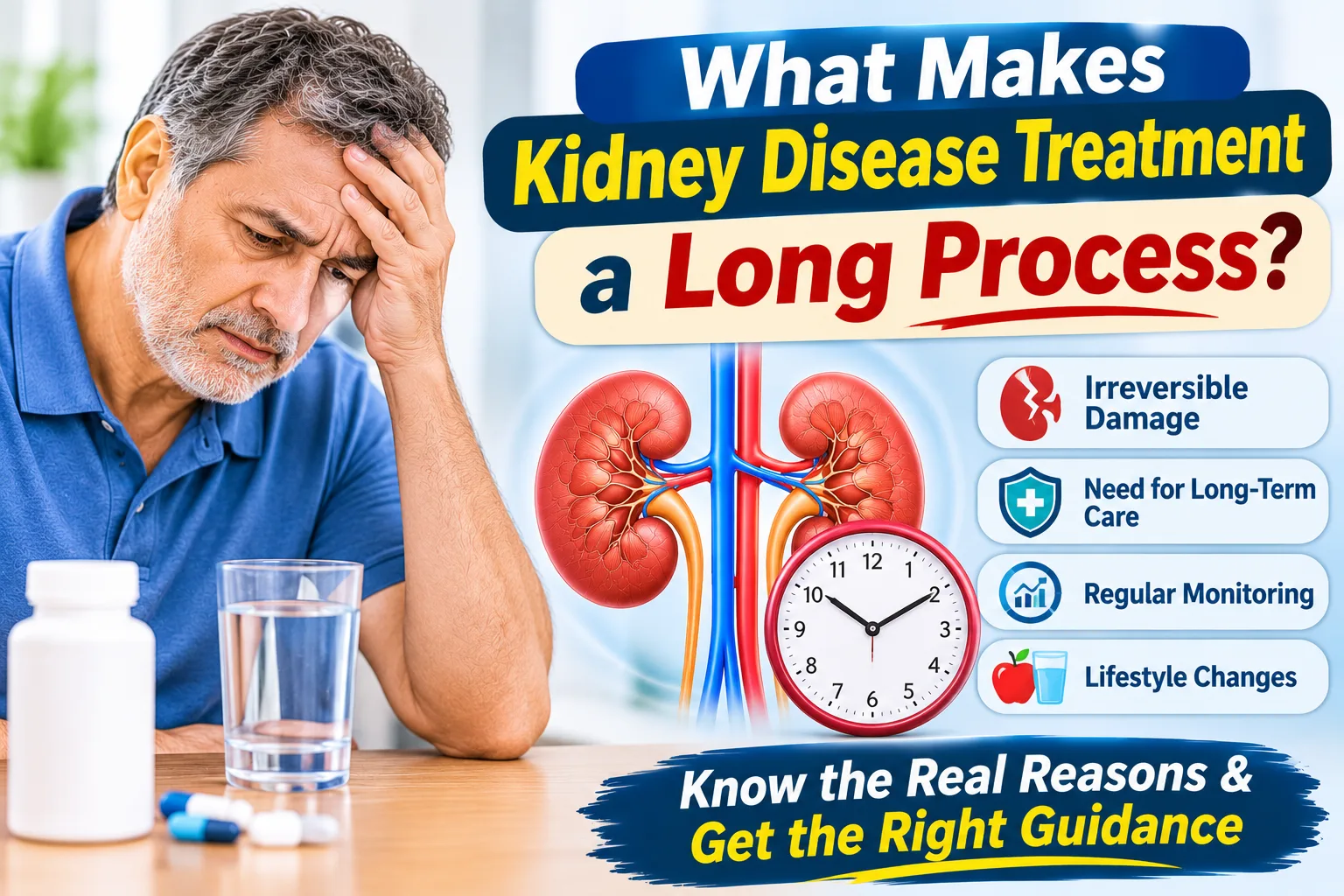
Quick answer, because nobody wants to scroll forever for this: kidney treatment takes a long time because kidneys don't heal the way cuts or bruises do. There's no "give it two weeks, and you're back to normal" here. Once kidney tissue is damaged, it stays damaged, so treatment is really about protecting whatever's left and slowing the whole thing down. That's it. That's the whole game.
If you or someone in your family just got a CKD diagnosis and are wondering why the doctor keeps saying "let's see how this looks in three months" instead of just fixing it already, I get it. It's frustrating. But once you understand how kidneys actually work (or don't), the slow pace starts making a lot more sense.
Here's the annoying thing about kidneys: they're quiet. Like, suspiciously quiet. Most people don't feel anything wrong until a blood test flags something, and by then, some damage has usually already happened. Unlike skin or even liver tissue, kidney tissue doesn't regenerate once it's scarred. So, doctors aren't chasing a cure. They're chasing damage control, basically forever.
This is why so much of chronic kidney disease management feels less like "treatment" in the traditional sense and more like ongoing maintenance. Kind of like owning an old car; you're not trying to make it brand new again, you're just trying to keep it running smoothly for as long as possible.
📩 Ask a Kidney Expert (Free 10-Min Consultation)
CKD doesn't just show up as one big problem; it moves through five stages, and each stage needs its own approach. I'll be honest, the stage names sound very clinical, so here's a rough (and slightly cheeky) translation:
You can't jump from stage 1 to "all better" in a month. Each stage takes its own time to even show up clearly on tests, let alone respond to treatment.
A kidney disease doctor, usually a nephrologist, isn't dragging things out because they enjoy extra appointments. A lot of kidney medications actually get filtered by the kidneys themselves, so dosing has to be adjusted carefully. Go too fast or too aggressively, and you can end up putting more strain on organs that are already struggling. So blood pressure meds, diabetes control, diet tweaks; all of it gets introduced gradually, checked, adjusted, checked again.
It's not exciting. It's genuinely a bit boring, honestly. But boring, steady, and predictable is exactly what good kidney care is supposed to look like. Drama is not the goal here.
Cutting salt, watching protein, tracking fluids; none of that happens overnight, and honestly, most people mess it up a few times before it sticks (sneaky sodium in sauces is basically undefeated). Since these habits directly affect how fast the disease progresses, treatment plans shift alongside a person's actual real-life habits instead of some fixed calendar.
Yes, and this part's kind of interesting. A 2024 analysis of the DAPA-CKD trial, published in Nephrology Dialysis Transplantation, found that a specific kidney-protective medication could delay progression to kidney failure by roughly 6.6 years in high-risk patients. Not weeks. Years.
There's also a long-term retrospective study out of Qatar that followed over a thousand CKD patients, and the median follow-up time before meaningful outcomes were even measured was 9.3 years. Nine years, just to see clear patterns. That's basically the definition of long-term kidney treatment; it's not a phrase doctors throw around loosely, it's genuinely how long it takes for the data (and the kidneys) to show real change.
Put it together: kidney tissue that can't regenerate, a five-stage disease process, careful and gradual medication changes, lifestyle habits that take months to settle in, and research that spans years rather than weeks. That's why CKD treatment feels slow. It's not inefficiency; it's just what actually works for an organ that doesn't forgive rushed decisions.
📩 Ask a Kidney Expert (Free 10-Min Consultation)
A: Because kidney tissue doesn't grow back, so medicine can only slow the damage, not undo it.
A: For most people, it's not a fixed timeline at all; it's more of an ongoing, lifelong thing.
A: Not always; a lot of people manage it for years through medication and lifestyle changes alone.
A: Because kidneys filter out those same medications, so doses need constant, careful adjusting.
A: Yes, actually; sticking with lower sodium and controlled protein intake can slow progression quite a bit over time.
This blog is meant for general reading and awareness only, not medical advice. Everyone's kidney situation is different, so please talk to a qualified nephrologist or kidney disease doctor before making decisions about treatment, diet, or medication.