Oct 31 , 2026
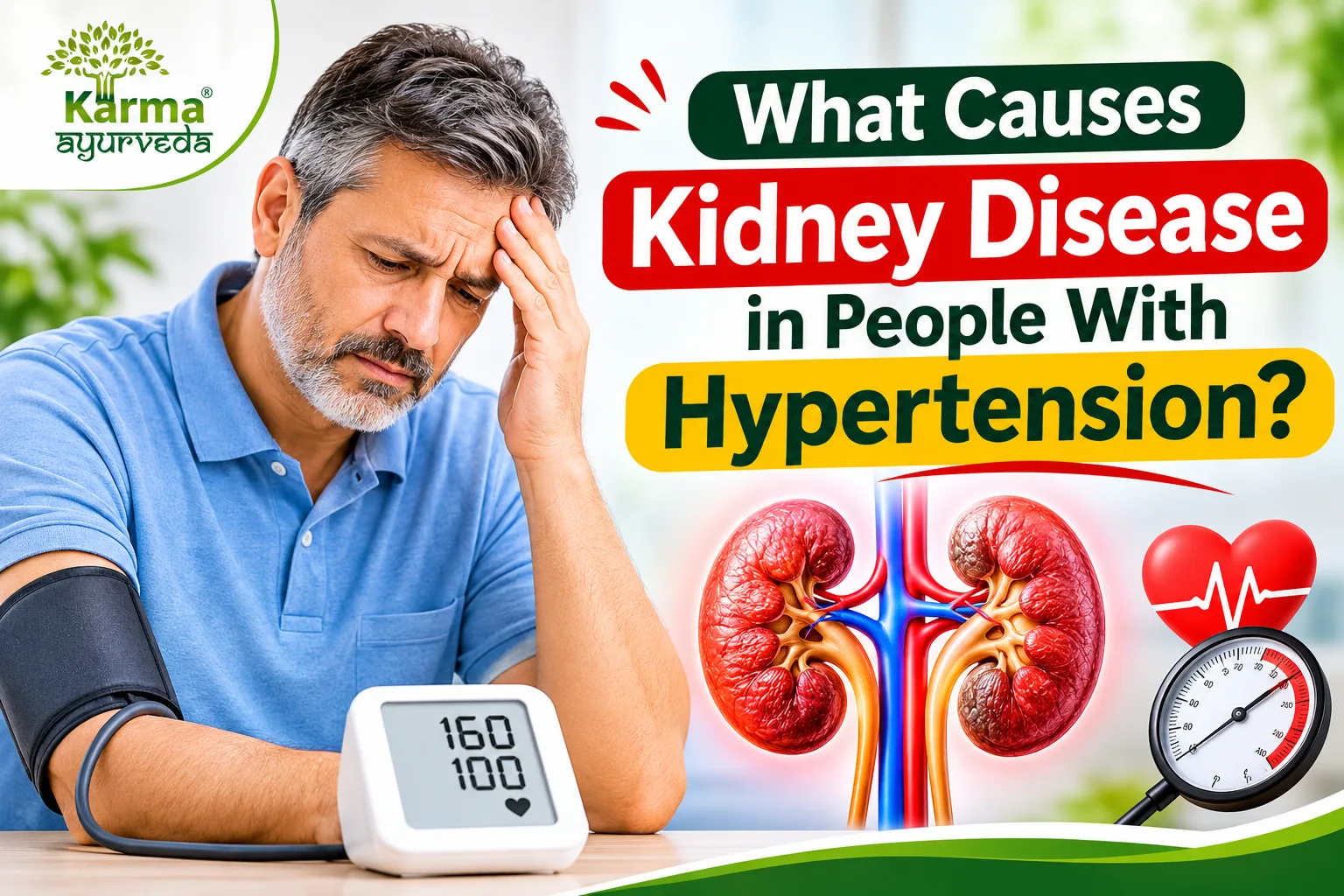
High blood pressure gradually damages the small blood vessels and filtering units of the kidneys, making them unable to clean your blood properly. This condition is known as kidney disease and usually occurs stealthily, like an undetectable leak in a flat tire.
Stay with me, since there are more interesting characters than just pressure being bad. Let me introduce them in order.
Your kidneys contain numerous small vessels, each similar to a coffee filter. High pressure in these vessels may cause them to become wider and scar. As reviewed by Pirkle and Freedman, the changes in small intrarenal vessels due to hypertension, smoking, and hyperlipidemia lead to arteriolar nephrosclerosis, which can be described as lesions in those vessels.
Working filters become overloaded when the other filters are broken or are removed.
High blood pressure is usually followed by several other conditions, such as:
📩 Ask a Kidney Expert (Free 10-Min Consultation)
The relationship is reversed. Hypertension can damage kidneys and, in turn, damaged kidneys can contribute to the problem and increase blood pressure even more. Pirkle and Freedman mention that this issue was discussed for a long time, and genetic studies help to solve the question of which problem comes first. In other words, it can be an endless cycle, and this is why action is necessary as early as possible.
|
Feature |
Healthy filters |
Pressure-stressed filters |
|
Blood vessels |
Relaxed and calm |
Stiff, narrowed, ill-tempered |
|
Workload |
Shared evenly |
Some people doing most of the work. |
|
Symptoms |
None needed |
Sometimes none, which is very sly. |
SPRINT trial has shown some positive results. People who have chronic kidney disease (CKD) and hypertension (but no diabetes), and receive a lower target blood pressure (systolic less than 120 mm Hg), have a reduced number of major cardiovascular events and deaths. No negative effects were found on kidney function.
But the difference wasn't one-sided either. One of the SPRINT analysis studies (Beddhu et al., Annals of Internal Medicine) showed that the signs of CKD appeared in 3.7% of patients in the intensive group compared to 1% in the standard one. Fortunately, none of them progressed to kidney failure, and the researchers believed that the cardiovascular benefits are more important. In conclusion: blood pressure goals are individual; they are not universal and cannot be transferred from one person to another.
The main difficulty of the initial stage of diabetes is its silent manifestation. Look out for the symptoms and get your diabetes test.
Taking your medicines on schedule, trimming salt, staying active, sleeping properly, and skipping tobacco all help. Many people also ask about natural treatment for kidney disease. Lifestyle habits like these are the most reliable place to start, alongside your doctor's plan.
Many patients opt for kidney disease Ayurvedic treatment because of the possibility of getting advice concerning diet and lifestyle changes. Remember to talk to your doctor before taking any herbs, as they can interfere with blood pressure medicines or affect your kidney function.
You can't feel your filters, so check on them the way you'd check on a quiet toddler: regularly. Some people also look at Karma Ayurveda for renal treatment as a complementary route, and practitioners such as Dr. Puneet Dhawan speak about integrating Ayurvedic care. Keep your nephrologist in the loop either way.
📩 Ask a Kidney Expert (Free 10-Min Consultation)
Yes, uncontrolled pressure can damage the filter and the engine over time.
Control can slow further damage, but scarred tissue doesn’t fully grow back.
Ask your doctor, but yearly urine and blood tests are common for people with hypertension.
In excess, yes, it pushes pressure up and keeps your filters working overtime.
This blog is for general information only and isn’t medical advice. Blood pressure and kidney conditions vary from person to person. Please consult your doctor or nephrologist before changing medications, diet, or treatment plans, including any natural or Ayurvedic options.