Oct 10 , 2026
Short answer: your kidneys have already lost a significant amount of their filtering capacity, and you probably feel completely fine. That's the part that catches people off guard. There's no dramatic movie moment where your body screams "help." It just... quietly does less and less of its job while you go about your day thinking everything's normal.
So, by the time someone lands at Stage 3, doctors aren't shrugging and saying "let's watch it." They're saying, "Okay, time to actually do something." And honestly, that's the whole point of talking about stage 3 kidney disease treatment now instead of later, because later usually means fewer options and more complications to manage.
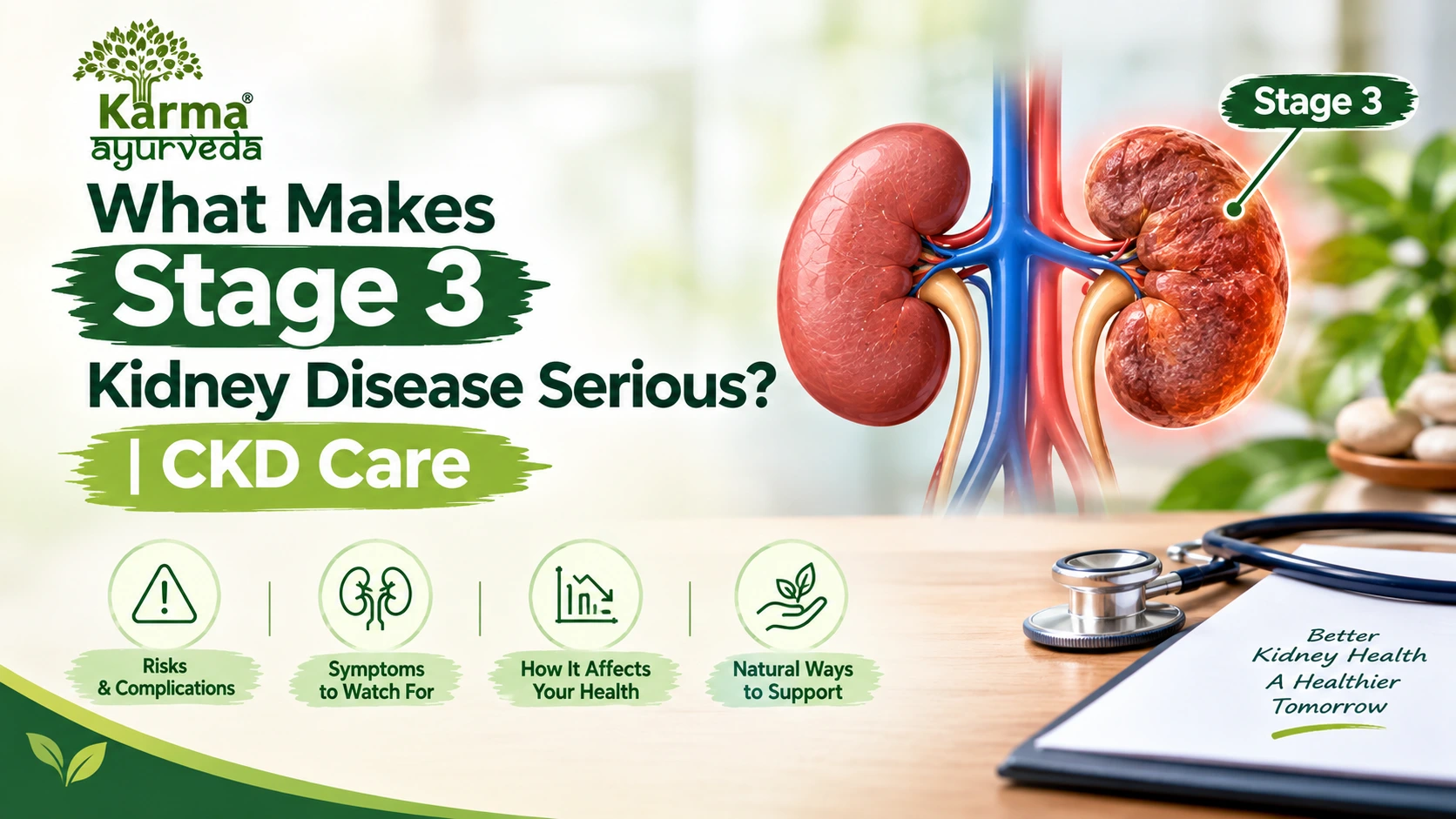
Kidney function gets measured using something called eGFR; think of it as an estimate of how well your kidneys are filtering waste out of your blood. Doctors use this number to classify chronic kidney disease into five stages, and Stage 3 is the one that gets split into two parts:
If it helps, picture your phone battery. Nobody panics at 85%. Nobody panics much at 50% either, honestly. But you start noticing it, right? You start being a little more careful about when you plug in. Stage 3 is basically that "I should probably charge this soon" phase, except the thing you're looking after is your kidney health, and the charger is a doctor's appointment.
📩 Ask a Kidney Expert (Free 10-Min Consultation)
A few things are going on here, and none of them are meant to freak anyone out; just explain why doctors don't treat this stage casually:
Put "no symptoms" and "your heart is quietly involved too" together, and you get why basically every kidney disease doctor treats Stage 3 as an important turning point, not something to ignore until kidney failure.
Nobody loves a risk list, but here's the honest one for stage 3 kidney disease risks, without dressing it up:
None of this is a guaranteed outcome. It's more that your body isn't going to send you a loud warning, so somebody has to go looking for the problem instead of waiting for it to announce itself.
If you're exploring natural kidney treatment, start by focusing on medically recommended habits such as controlling blood pressure, managing blood sugar, following a suitable diet, and attending regular checkups. Natural approaches aren't automatically safe or effective, and they shouldn't replace prescribed treatment or kidney monitoring.
This is where stage 3 kidney disease treatment stops being a phrase in an article and turns into an actual Tuesday. Usually it's some combination of: keeping blood pressure in check (this one does a lot of heavy lifting), managing blood sugar if diabetes is part of the picture, dialing back sodium and sometimes adjusting protein intake based on what a healthcare professional recommends rather than a random diet chart off the internet, getting bloodwork done regularly so eGFR gets tracked over time instead of guessed at, and taking a second look at medications, since a few common painkillers aren't exactly the kidneys' best friends.
|
Stage 3a Reality |
Stage 3b Reality |
|
"Wait, I have kidneys?" |
"Yes. And they'd like a word." |
|
Diet tweaks, routine checkups |
Diet tweaks, plus your doctor now knows your first name |
|
Room to course-correct |
Same room, just less time to procrastinate in it |
If you're considering the best Ayurvedic herbs for kidneys, speak with your kidney specialist before adding any herbs or supplements to your routine. Some products can interact with medications or contain ingredients that may be unsuitable for people with reduced kidney function.
Consistent kidney care- showing up to checkups, actually taking meds on schedule, not "forgetting" lab appointments- helps your doctor identify changes early and adjust your treatment plan when needed. Regular follow-up is especially important because the risk of progression varies from person to person. Not glamorous. Just effective.
If you're considering Ayurvedic treatment for kidneys, keep your kidney specialist involved and continue appropriate blood and urine tests. Any complementary approach should fit safely alongside your medical care, rather than replace prescribed medicines or necessary treatment.
📩 Ask a Kidney Expert (Free 10-Min Consultation)
Usually, established chronic kidney damage cannot be fully reversed, but the right treatment and habits can help slow progression. Some causes of reduced kidney function may improve with appropriate treatment.
Yes, plenty of people manage Stage 3 for years without it taking over their daily life, especially with appropriate care and monitoring.
High-sodium processed foods are often worth limiting. Protein, potassium, and phosphorus intake should be adjusted according to your lab results and your healthcare professional's advice.
It depends on your kidney function, urine test results, other health conditions, and how stable things look. Your doctor can recommend the right follow-up schedule.
No. Stage 3 does not automatically lead to dialysis. Many people never need it, particularly when their condition and related risk factors are managed appropriately.
Disclaimer: This article is for general information only and isn't medical advice. Kidney disease shows up differently for everyone, so please talk to a qualified kidney disease doctor about your own numbers and situation before making any decisions.