Sep 30 , 2026
Okay, so here's the honest answer up front: supporting your renal function mostly comes down to drinking enough water, not eating salt like it's a personality trait, and not popping painkillers like they're breath mints. That's genuinely most of it. I wish I had a fancier answer for you, but I don't, and neither does anyone else who's being honest with you.
I used to roll my eyes at this advice too. My uncle got diagnosed with kidney trouble a few years back, and every doctor's appointment ended with the same three lines: drink water, watch your salt, get your blood pressure checked. I remember thinking, that's it? That's the big medical secret? But watching him actually go through it changed how I think about these boring little habits. Turns out boring is kind of the whole point.
Your kidneys don't get much attention until something goes wrong with them. They just sit there, quietly filtering something like 50 gallons of blood a day, cleaning out waste, balancing your electrolytes, deciding how much water you get to keep versus pee out. No thank-you notes, no recognition, nothing. Then one day they slow down, and suddenly you're paying very close attention.
📩 Ask a Kidney Expert (Free 10-Min Consultation)
I didn't realize until recently how much your kidneys are quietly involved in things that seem unrelated: blood pressure, bone health, even how your body makes red blood cells. It's a lot for two organs the size of your fist.
There was a study out of the Clinical Journal of the American Society of Nephrology back in 2021 that tracked hydration habits and kidney filtration rates over time, and the people who stayed consistently hydrated held onto better kidney function than those who didn't. Not a huge shocker, honestly, but it's nice to have the science back up the thing your mom probably already told you.
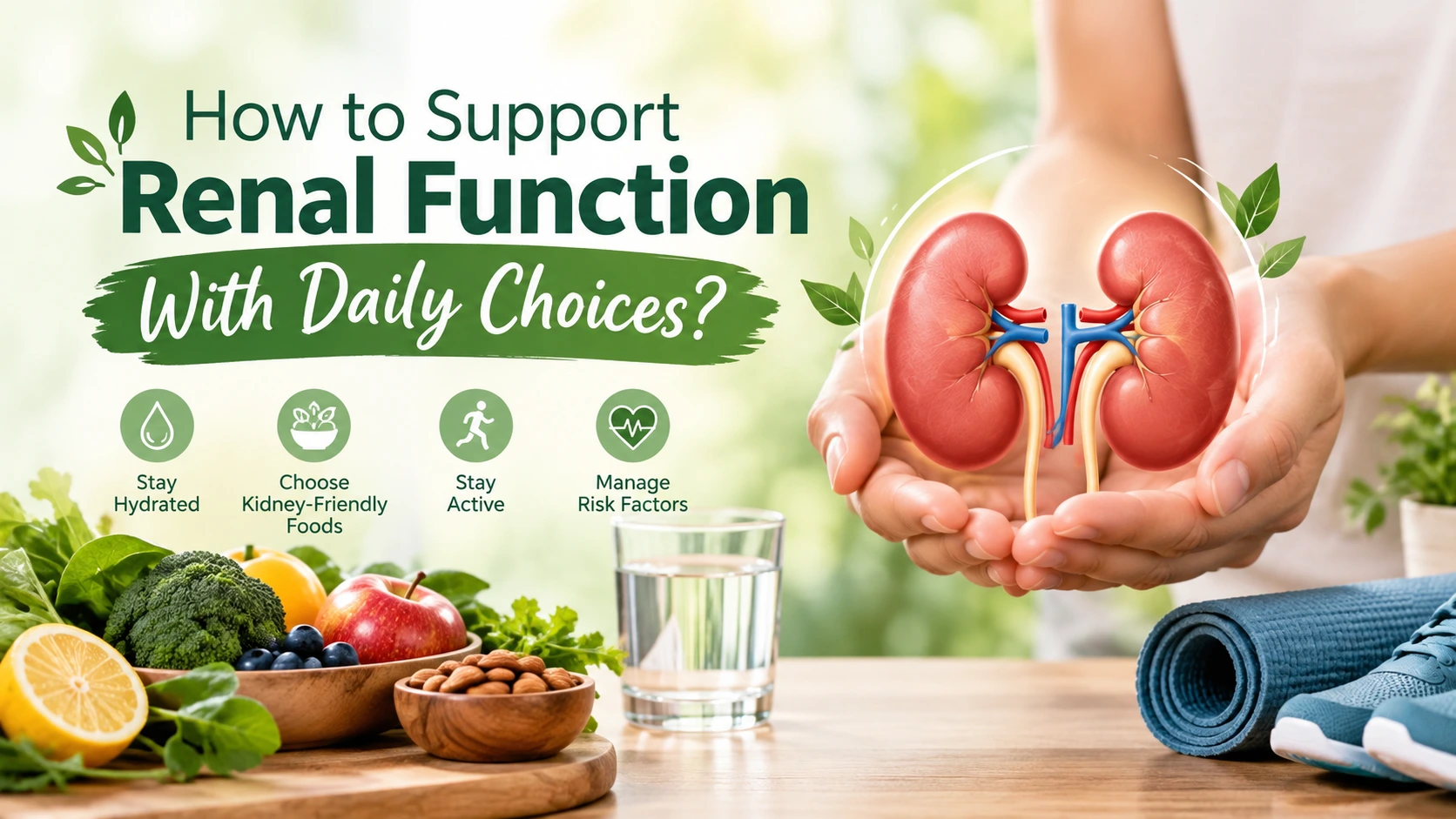
So what actually helps day-to-day, in terms of real kidney support? Nothing exotic. Here's roughly what it comes down to:
None of this is glamorous. I know. But it works, and that's sort of annoyingly the whole story.
If you're looking into natural kidney treatment, remember that “natural” doesn't automatically mean appropriate for everyone, especially if you already have reduced kidney function. It should complement proper diagnosis, monitoring, and medical guidance rather than replace them.
A Slightly Ridiculous Comparison Table, Because Why Not
|
What you did |
How your kidneys probably feel about it |
|
Drank water all day like a normal person |
Relieved, honestly |
|
Called an energy drink "hydration" |
Personally offended |
|
Went for a walk |
Cautiously optimistic |
|
Ate an entire family-size bag of chips solo |
Tired, but not surprised |
|
Went for that annual checkup |
Grateful someone's paying attention |
|
Ignored weird symptoms for half a year |
Done talking to you, apparently |
The Small Stuff Actually Adds Up
If your goal is to improve kidney function, there's genuinely good news here; you don't need to overhaul your entire life overnight. Consistency beats intensity almost every time with this stuff. A handful of small daily habits for renal health, repeated for months, does more than one dramatic health kick that fizzles out by week three. We've all been there.
A 2019 review in the Journal of Renal Nutrition looked at diets lower in ultra-processed food and higher in fruits, vegetables, and whole grains, and found better kidney outcomes even among people who didn't have any existing kidney issues. So that salad sitting in your fridge, half-forgotten, is actually doing more for you than you're giving it credit for.
If you or someone you know is already dealing with a diagnosis, getting proper kidney disease help early on; instead of waiting until symptoms get loud; makes a real difference in how things go long-term. My uncle's doctor said something that stuck with me: kidneys are patient organs, but they're not infinitely patient.
At the end of the day, real kidney care isn't about doing everything perfectly. It's mostly about not actively working against yourself every single day. Think of it less like a strict rulebook and more like just... being a decent roommate to your own body. Low bar, honestly, but a surprising number of us don't clear it.
If you're considering the best Ayurvedic herbs for kidneys, it's worth discussing them with a qualified healthcare professional first. Some herbs and supplements can interact with medicines or may not be suitable when kidney function is reduced.
Key Takeaways
📩 Ask a Kidney Expert (Free 10-Min Consultation)
Leafy greens, berries, and generally low-sodium whole foods tend to support healthy kidneys best.
Enough to keep your urine pale yellow; that's usually the simplest, most honest signal you're drinking enough.
Yes, small consistent changes like better hydration, less sodium, and regular movement genuinely add up over time.
Yes, that's actually the scary part; kidney issues are often silent until they're fairly advanced.
Occasional use is generally fine; it's the frequent, long-term use that tends to strain kidney function.
📩 Ask a Kidney Expert (Free 10-Min Consultation)
Disclaimer: This blog is written for general informational purposes only and isn't medical advice. It shouldn't replace a conversation with an actual doctor who knows your health history. If something feels off with your kidneys, please go get it checked out properly.