Oct 15 , 2026
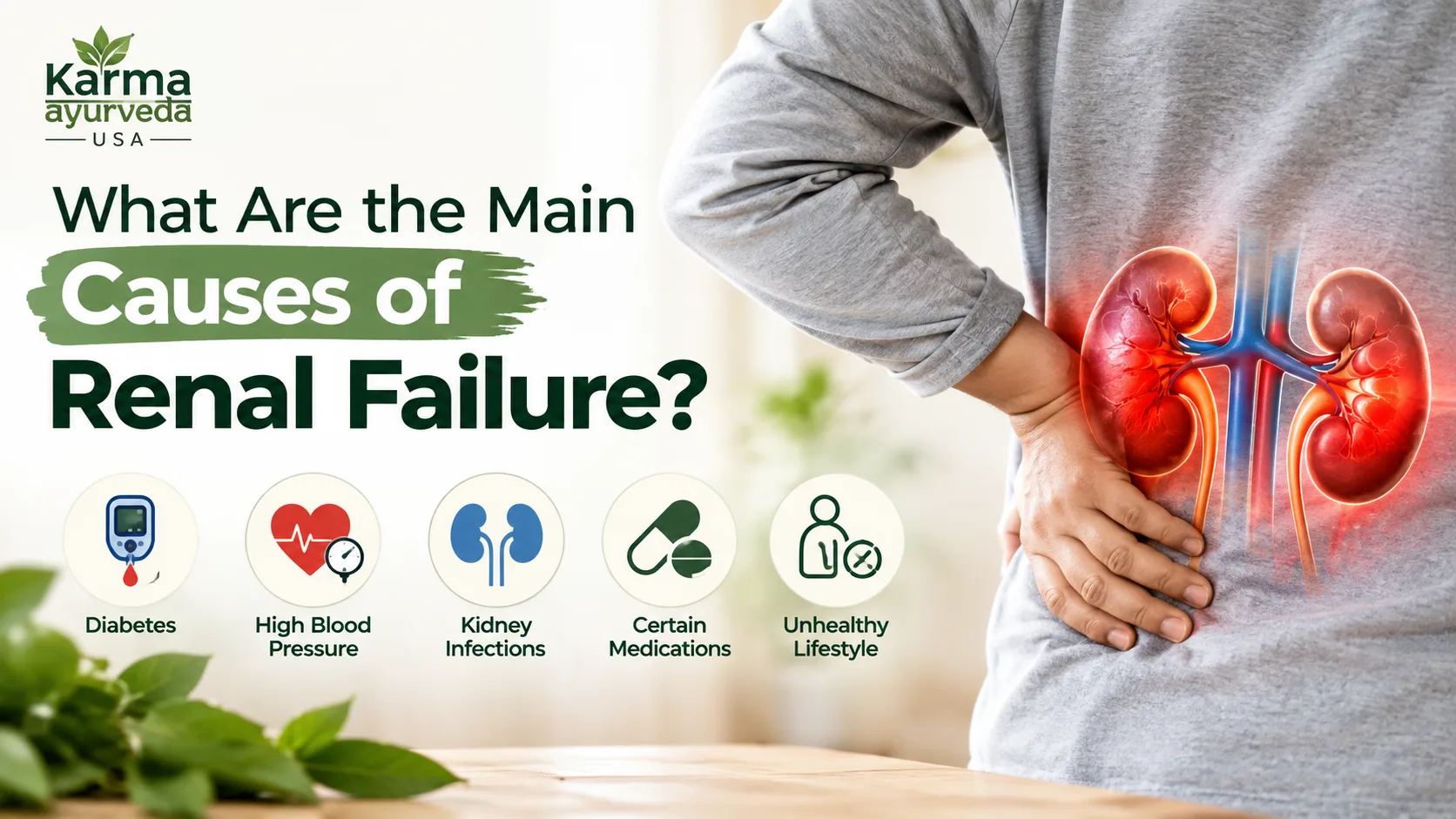
Diabetes and high blood pressure cause many cases of renal failure, with kidney inflammation, blocked urine flow, inherited conditions, and long-term misuse of certain painkillers contributing to other cases. That's the short answer. Now let me tell you why it's a lot more interesting (and a lot more avoidable) than it sounds.
Here's the thing about kidneys: nobody thinks about them until they stop working. Your heart gets a whole day dedicated to it. Your liver gets blamed for every bad weekend decision you've ever made. But your kidneys? They quietly filter waste from your blood, help balance fluids, and regulate important minerals, all without asking for anything in return. Rude, honestly.
I bring this up because that's exactly the problem. Kidney disease doesn't always announce itself loudly. It doesn't send you a warning text. It can slowly progress, and by the time you actually feel something's wrong, significant damage may already have occurred. So if you're trying to understand the causes of renal failure, you're basically trying to catch a very patient, very stubborn organ before it finally gives up on you.
I'm not going to bury you in medical terms here, so let's just go through the real culprits one at a time.
If you're researching natural kidney treatment, remember that the right approach depends on what's causing the damage. Managing diabetes, controlling blood pressure, treating blockages, and following a doctor's advice are more important than relying on unproven remedies.
This is the part that trips people up. You can lose a fair amount of kidney function and genuinely feel okay. No pain, no obvious symptom, nothing dramatic; just a slow decline happening quietly in the background. Which is exactly why seeing a kidney disease doctor when you're at risk, even when you feel perfectly fine, matters more than most people assume. Especially if diabetes or high blood pressure runs in your family. It's a bit like ignoring a weird noise in your car until the engine actually gives out.
Routine blood tests, such as creatinine and estimated glomerular filtration rate (eGFR), along with urine tests for albumin, can help identify kidney problems before obvious symptoms appear.
📩 Ask a Kidney Expert (Free 10-Min Consultation)
|
Cause |
How Sneaky It Is |
What Your Kidney Would Probably Say |
|
Diabetes |
Extremely sneaky |
"I'll just deal with this quietly for ten years, sure." |
|
Hypertension |
Pretty sneaky |
"Constant pressure, huh. Cool. I'll manage. Slowly failing though." |
|
Kidney stones |
Sometimes not sneaky at all |
"EVERYONE in the house now knows something's wrong." |
|
Polycystic kidney disease |
Can be sneaky for years |
"Surprise, I've been growing cysts this whole time." |
|
Painkiller overuse |
Medium sneaky |
"I'll forgive you for a while. Not forever." |
None of this is meant to scare you into a health spiral at 1 AM. It's just about giving a bit of respect to an organ that's been working overtime for you since the day you were born, without ever once asking for a raise.
If you're exploring Ayurvedic treatment for kidneys, discuss it with your nephrologist or another qualified healthcare professional. Any complementary approach should fit your condition and work alongside appropriate medical care, not replace prescribed medicines or necessary treatment.
📩 Ask a Kidney Expert (Free 10-Min Consultation)
Diabetes is a leading cause of chronic kidney disease worldwide, with high blood pressure close behind.
Acute kidney injury can sometimes improve with prompt treatment, while established chronic kidney damage is often managed rather than fully reversed.
There often aren't any early on, which is exactly why routine blood and urine tests matter so much.
Staying adequately hydrated supports normal kidney function, but drinking extra water won't undo damage caused by conditions like diabetes. Some patients also need to limit fluids.
If you have diabetes, high blood pressure, a family history of kidney disease, or abnormal kidney test results, speak with a healthcare professional even if you feel completely fine.
Disclaimer: This blog is meant for general reading and awareness, not as medical advice. Every kidney (and every person) is different, so please talk to a qualified healthcare provider before making any decisions about your health based on what you've read here.
