Oct 14 , 2026
Recovery for a kidney disease patient usually means slow, steady progress, not an overnight miracle. It's less "flip a switch" and more "tend a garden that occasionally throws a tantrum."
If you or someone you love just got handed a kidney diagnosis, the first feeling is often pure panic. Google searches at 2 AM. Scary forums. A cousin who "read somewhere" that dialysis means giving up on life. Take a breath. None of that is the full picture, and honestly, most of it is nonsense wrapped in fear.
Kidneys are quiet overachievers. They filter waste, balance fluids, help manage blood pressure, and even support red blood cell production, all without ever asking for a raise. When they start struggling, the body may show it in odd little ways: puffy ankles, constant tiredness, or that weirdly metallic taste that makes coffee taste like a bad decision. Catching problems early and starting proper kidney care can make a real difference to long-term health.
Here's the truth nobody puts on a motivational poster: kidney recovery is not always linear. Some weeks feel great. Others feel like your body forgot the plan entirely. Changes in how you feel or in your test results don't automatically mean treatment has failed.
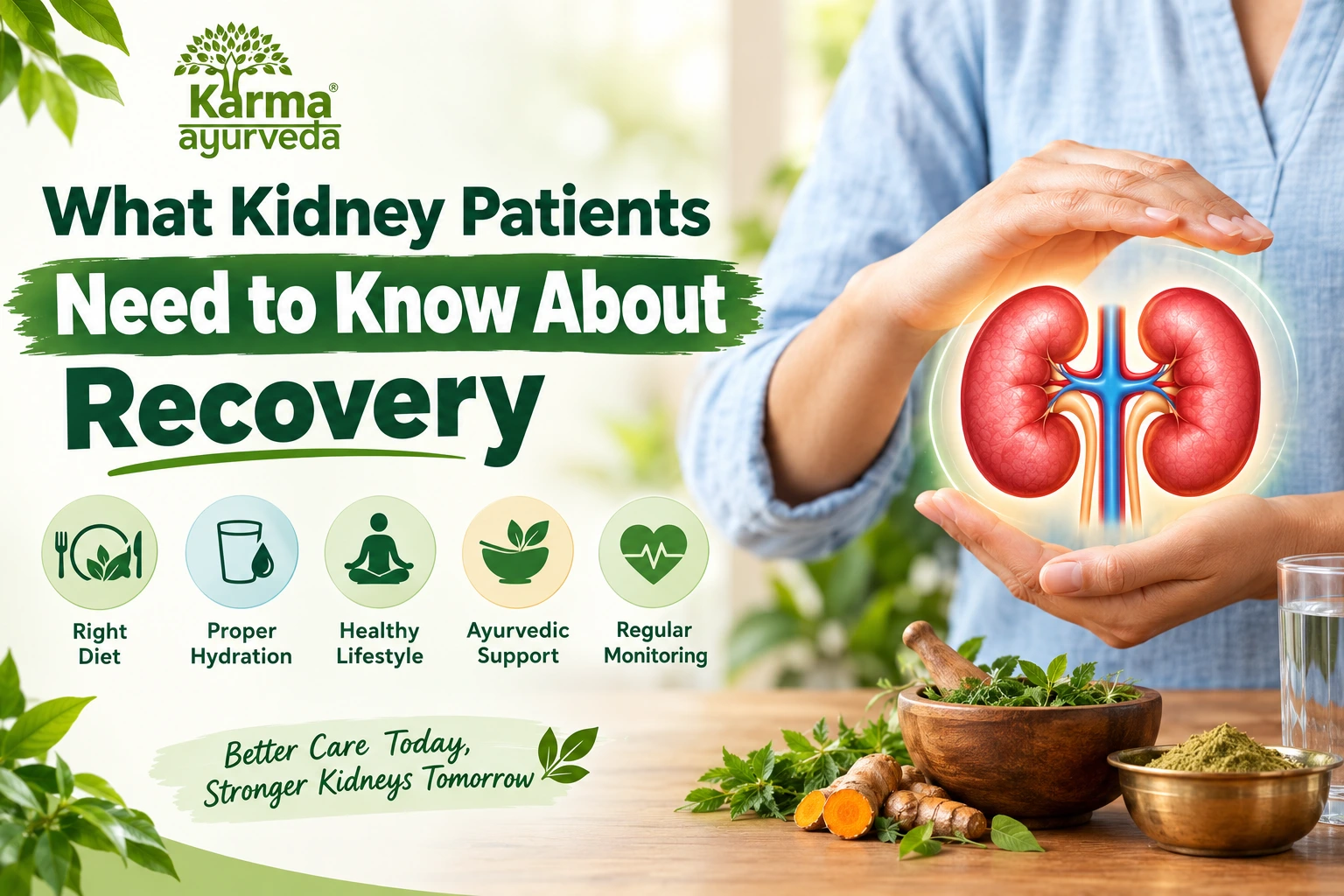
Lifestyle adjustments, along with consistent medical monitoring, can help manage kidney disease and may slow its progression. Translation: small, boring, consistent habits are usually more useful than dramatic overnight overhauls.
If you're exploring natural kidney treatment, remember that everyday habits can support kidney health, but they cannot reverse every type of kidney damage. Keep up with prescribed treatment and regular medical check-ups rather than relying on natural remedies alone.
📩 Ask a Kidney Expert (Free 10-Min Consultation)
Picking the right kidney disease doctor isn't just about credentials on a wall. It's about someone who explains things without making you feel like you walked into a med school lecture uninvited. A good nephrologist adjusts the plan as your renal function changes, rather than sticking to a one-size-fits-all script.
Regular follow-ups help your healthcare team track kidney function, review medicines, and spot problems early. So yes, that extra appointment on your calendar is doing more than taking up time.
CKD treatment looks different depending on the stage and the cause of kidney disease, but a few themes repeat across many cases: diet adjustments, medication management, and monitoring numbers that sound like a secret code (eGFR, creatinine, potassium levels; very dramatic, very important).
Here's a quick, only slightly cheeky comparison of what changes at different stages:
|
Stage |
What It Feels Like |
What Usually Changes |
|
Early CKD |
"I feel basically fine, thanks" |
Diet adjustments, risk-factor management, and regular check-ups |
|
Moderate CKD |
"Why am I so tired all the time" |
Medication reviews, closer monitoring, and individualised diet advice |
|
Advanced CKD |
"Okay, this needs real attention" |
Specialist care and discussions about dialysis, transplant, or conservative management when appropriate |
No stage is a life sentence. It's a stage, not a verdict. The right care plan depends on your test results, overall health, and personal circumstances.
Recovery isn't only physical. There's a mental weight too: the appointments, the diet restrictions, the constant math around what you can eat. This is where kidney recovery support, whether from support groups, family, or online communities, becomes genuinely important. Emotional support can make it easier to cope with the demands of long-term treatment and stick to a care plan. Basically, having people in your corner isn't just a "nice to have." It matters.
Every kidney disease patient deserves patience, especially from themselves. Progress might be measured in lab numbers, but it's also measured in showing up for appointments, sticking to routines, and not spiralling every time a number shifts slightly.
If you're curious about the best Ayurvedic herbs for kidneys, speak with your nephrologist or a qualified healthcare professional before trying any herbal product. Some herbs may interact with medicines or be unsafe when kidney function is reduced. Don't stop prescribed medicines or replace medical care with supplements.
Likewise, if you're considering Ayurvedic treatment for kidneys, discuss it with your healthcare team first. Any complementary approach should fit your individual condition and work alongside appropriate medical monitoring, not replace it.
📩 Ask a Kidney Expert (Free 10-Min Consultation)
Some kidney problems can improve with treatment, especially when the cause is reversible. Established chronic kidney damage is often managed rather than fully reversed.
It varies widely, from days or weeks for some acute problems to lifelong management for chronic kidney disease.
No. Depending on the patient's condition and preferences, options may include dialysis, a kidney transplant, or conservative kidney management.
Diet can help protect kidney health, but it usually works alongside medical treatment rather than replacing it.
Yes, a second opinion is completely reasonable and can help you better understand your diagnosis and treatment options.
Disclaimer: This blog is for general information only and isn't medical advice. Kidney conditions vary widely from person to person, so always consult a qualified nephrologist or healthcare provider before making decisions about treatment, diet, or lifestyle changes related to kidney health.
