Dec 09 , 2025
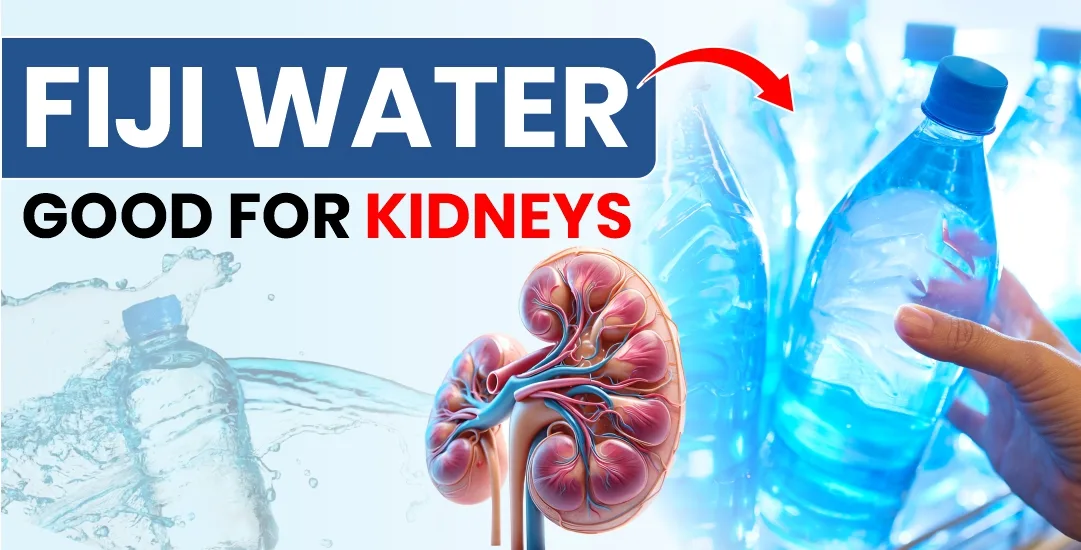
If you’ve ever stood in a supermarket staring at those fancy bottled waters, especially the one with the blue tropical label, wondering, “Is Fiji water good for kidneys?” then welcome to the club. Don’t worry, you’re not alone. We’ve all had that moment of silent confusion while holding a bottle that costs more than a plate of momos.
So today, let’s talk about Fiji water and your kidneys… in a super simple, friendly way. No lab coat language. No heavy science. Just good vibes and clear info.
📞 Get a Kidney Health Consultation – Call Now!
Fiji water comes from, surprise! Fiji. It’s said to be natural spring water filtered through volcanic rock. Sounds very dramatic and mysterious, like your water had a spiritual journey before meeting you. The brand says it contains:
Basically, it markets itself as “premium water with minerals.” But the important question is: Is mineral water bad for kidneys or good? Short answer: No, they’re bad per se. But let’s go deeper.
Alright, here’s the real deal, without boring you. Yes, it is good as:
Your kidneys love water more than you love online shopping.
They need daily hydration to:
Fiji water is clean, safe, and hydrating. So yes, in that basic sense, it’s good for your kidneys.
But wait… don’t rush to buy a whole carton yet.
Fiji water has:
If you have chronic kidney disease (CKD), your mineral intake sometimes needs to be controlled.
For example:
Fiji water is not overloaded with any minerals, but still, CKD patients should always check with their doctor. Sometimes, even the purest mineral water needs doctor-approved entry at the kidney VIP gate. So, the rule is:
Healthy people: Fiji water is perfectly safe.
Kidney patients: Ask your doctor first.
This is where things get honest. Fiji water does not magically repair kidneys. It does not cure kidney disease. It does not remove creatinine like some super potion. It’s just good-quality bottled water.
But staying hydrated, no matter which brand, does help your kidneys function better overall. So, Fiji water doesn’t fix kidneys, but hydration supports them. Big difference.
📞 Get a Kidney Health Consultation – Call Now!
Here comes the funny part.
Most of the time, your regular clean tap water or RO water does the same job:
Fiji water is more like the “celebrity water” of the hydration world. It looks classy and exotic.
It tastes nice and smooth. But it doesn’t give you superpowers.
So, if you’re drinking it because you enjoy it, great! If you’re drinking it because you think it’s medically superior, calm down, Bollywood soundtrack not required.
Your kidneys don’t know the difference between:
They just want clean water in enough quantity.
📞 Get a Kidney Health Consultation – Call Now!
Yes, it can be, especially if you drink too much of it. Bottled water in plastic bottles can have microplastics in it, which may damage the intestinal walls of the kidneys. Drinking bottled water once in a while is fine, but do not make it a habit.
Here’s a simple guide your kidneys would approve of:
· Clean: No germs, no contaminants, no funny smells.
· Low in sodium: Some sparkling and flavored waters contain sodium; avoid those.
· pH between 6.5–8: Fiji water fits here, but so do many regular waters.
· Easy on the wallet: Because the only thing more stressful than dehydration is looking at your empty bank balance.
· Something you enjoy drinking: If you like the taste, you’ll drink more.
Water should be sipped throughout the day, not chugged all at once like you’re doing a hydration speed challenge.
Here’s the simple, friendly answer:
It’s clean, safe, slightly mineral-rich, and refreshing. Your kidneys won’t complain.
Your kidneys don’t require premium water. They just need enough water.
Every kidney patient has a different hydration rulebook.
Fiji water is fancy, smooth, and yes, kidney-friendly, but not some magical elixir that cleans your kidneys like a bathroom cleaner. Your kidneys aren’t checking the label on your bottle. They simply want:
So, drink what you like, stay hydrated, and keep your kidneys happy.
If Fiji water motivates you to drink more, go for it. If not, your regular water is just as loyal.
At the end of the day, the best water is the one you actually remember to drink. Cheers to healthy kidneys!
📞 Get a Kidney Health Consultation – Call Now!
Yes, it helps support renal function by assisting in removing wastes from the body and carrying nutrients to the renal cells. However, the ideal hydration amount varies; consult your doctor first.
Plain, clean filtered water is the best. Nothing fancy is needed.
High blood sugar, high blood pressure, smoking, and long-term painkiller use.
It’s not proven helpful. Plain water is safer unless your doctor specifically advises otherwise.