Dec 09 , 2025
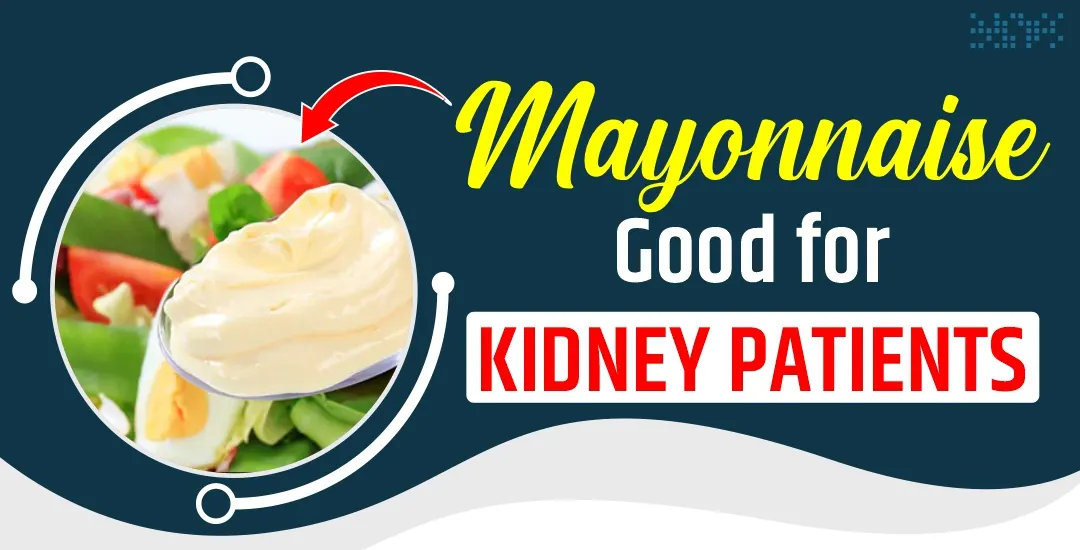
If you’re a kidney patient, food can feel like a confusing maze. One day, someone tells you to avoid salt, the next day, someone else tells you to avoid bananas. Then suddenly, you're staring at a creamy spoon of mayonnaise thinking, “Can renal patients have mayonnaise… or is this another item going to the ‘No Entry’ list?”
Don’t worry. Please take a deep breath, grab a comfy chair, and let’s talk about mayonnaise in a friendly, simple, and humorous way. After all, life is too short to fear condiments!
📞 Get a Kidney Health Consultation – Call Now!
The short answer: It depends on your kidney stage, your diet plan, your sodium limits, and how much mayo you are planning to drown your sandwich in. Mayo isn’t exactly a “healthy food,” but it’s also not a villain. It sits somewhere in the middle, like that one friend who is fun but not great with responsibilities.
Let’s look at what mayo actually is:
Now, for kidney patients, these things matter the most:
1. Low Potassium: Good news! Mayo is low in potassium. Your kidneys won’t have to panic after a spoonful of mayo.
2. Low Phosphorus: Even better, mayo also has low phosphorus, especially regular, egg-based versions. So, potassium and phosphorus aren’t the villains here. You can relax a little.
3. No Protein Load: Since your kidneys may struggle with protein breakdown, high-protein foods can stress them.
But mayo is not a high-protein food, so it’s not a pressure-builder for your kidneys.
Ah, yes, there’s always a catch, just like every good Netflix series. Here are the parts kidney patients should watch out for:
1. High Sodium in Some Brands: Some mayonnaise brands pour salt like they’re seasoning a road during snowfall. Too much sodium = more water retention = more blood pressure = kidneys working overtime.
2. High Fat: Mayo is delicious, but also fatty. One tablespoon has around 90 calories, most from fat. If you’re trying to manage weight, cholesterol, or heart health (which often connects with kidney disease), don’t go wild with it.
3. Added Preservatives: Some packaged mayonnaise contains preservatives and additives. Your kidneys may not love filtering those too often.
📞 Get a Kidney Health Consultation – Call Now!
Moderation is your best friend. 1 tablespoon (15g) once in a while is usually safe for most kidney patients. Think of mayo like a guest at your house. Invite them sometimes, treat them well, but don’t let them move in permanently.
Here are some simple, kidney-friendly ways to enjoy mayonnaise without guilt:
Spread it thinly on sandwiches: A thin layer still gives you flavor without overdoing sodium or fat.
Mix with veggies like cabbage, cucumber, or carrot: This gives a healthy twist. Just don’t add half the jar while doing it.
Use it as a dip, but in small portions: A little goes a long way.
Pair with kidney-friendly foods: Good choices:
While choosing the best mayonnaise for kidney patients, take care of the following aspects:
Go for Low-Sodium Mayo: Always check the label! A good choice is anything with less than 150 mg of sodium per tablespoon.
Choose Real/Egg-Based Mayo: It naturally has lower phosphorus than “light” or “flavored” versions.
Avoid Garlic Mayo, Peri-Peri Mayo, or Spicy Mayo: These usually have:
Homemade Mayo Is the Hero: You can control the salt, oil, and ingredients. Kidneys love homemade food more than packaged surprises.
Usually, yes; dialysis patients can have Mayo in small amounts, and they often have more flexible potassium/phosphorus limits. Just watch sodium. Dialysis may clean your blood, but it will not erase the sodium from every bite of mayo you take.
Some kidney patients may need to avoid Mayo more strictly, such as:
If this sounds like you, talk to your dietitian before adding mayo back into your love story, as mayonnaise kidney disease has a negative relationship in these scenarios.
📞 Get a Kidney Health Consultation – Call Now!
Yes, kidney patients can enjoy mayonnaise, but in moderation. It’s low in potassium and phosphorus, which is great. But it’s high in fat and sometimes sodium, which means it should be eaten mindfully. Choosing the best mayonnaise for kidney patients (i.e., low-sodium, homemade stuff) is the way to go for kidney patients.
📞 Get a Kidney Health Consultation – Call Now!
Yes, but only in very small amounts. Mayo is high in fat, sodium, and sometimes phosphorus additives, so kidney patients must discuss with their doctor before eating mayo.
Great kidney-friendly substitutes are hung curd, homemade yogurt dip, low-sodium cream cheese, or avocado spread.
Go for low-sodium, additive-free mayo or homemade mayo with minimal salt.