Jul 10 , 2026
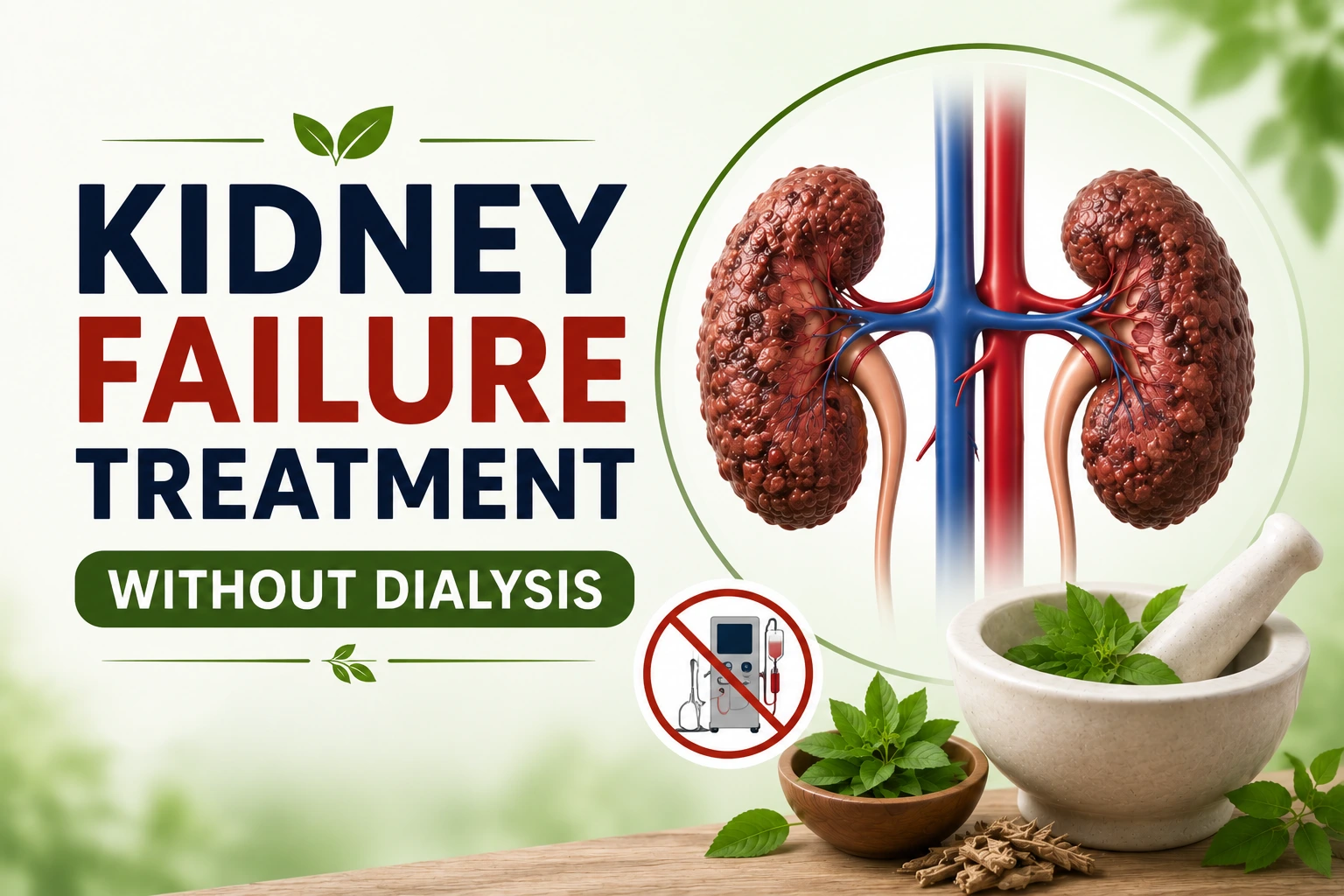
Yes, in many cases, kidney failure treatment without dialysis is possible, but it depends heavily on how advanced the damage is and how quickly you catch it. If you or someone you love just heard the words "kidney failure" and immediately pictured a lifetime tethered to a dialysis machine, take a breath. That's not the only story here.
I get it, though. The word "kidneys" barely comes up at dinner parties until suddenly a doctor says it in a serious tone, and then it's the only word in the room. Your kidneys are basically the world's most underappreciated janitors; quietly filtering waste, balancing fluids, and managing blood pressure while you're busy binge-watching something and forgetting to drink water. When they start slowing down, life doesn't automatically hand you a dialysis chair. There's a whole middle ground of management, medication, and lifestyle changes that can keep things stable for a long time.
📞 Get a Kidney Health Consultation – Call Now!
Not all kidney trouble is the same. There's renal failure that happens suddenly (acute), often triggered by an infection, dehydration, or a bad reaction to medication; and this type sometimes reverses completely once the root cause is treated. Then there's kidney failure chronic in nature, where the damage builds up slowly over years, often thanks to long-standing diabetes or high blood pressure. This second kind is trickier, but "chronic" doesn't automatically mean "dialysis tomorrow."
Doctors track kidney health in stages (1 through 5), based on how well your kidneys are filtering blood. Dialysis usually only becomes necessary in the later stages, and even then, it's not always immediate. This is exactly where kidney failure treatment without dialysis becomes a real, doctor-guided option rather than wishful thinking.
Here's the part nobody explains simply enough. Managing kidney disease without dialysis is basically about taking pressure off an organ that's already struggling. Think of your kidneys like an overworked employee; you can't magically undo the burnout, but you can absolutely lighten the workload.
Blood pressure and blood sugar control – since these two are the biggest kidney bullies
Medications like ACE inhibitors, ARBs, or newer SGLT2 inhibitors that studies (including the DAPA-CKD trial) have shown can slow kidney decline
Dietary changes, especially reducing protein, sodium, and potassium intake
Treating the underlying cause, rather than just the kidney symptoms
Regular monitoring so problems get caught before they snowball
A well-known clinical trial, the Modification of Diet in Renal Disease (MDRD) Study, along with later research by Garneata and colleagues (published in the Journal of the American Society of Nephrology, 2016), found that a carefully supervised low-protein diet supplemented with keto-analogues could meaningfully delay the need for dialysis in chronic kidney disease patients. That's not folklore; that's peer-reviewed science giving real hope to non dialysis treatment for kidney failure patients.
📞 Get a Kidney Health Consultation – Call Now!
This is where I have to be the responsible friend in the room. A lot of blogs love to oversell natural treatment for kidney failure as some miracle herbal tea situation. It's not that dramatic, but it's also not nothing.
Simple, doctor-approved habits genuinely help improve kidney function or at least protect what's left of it:
Staying well-hydrated (but not overdoing it if fluid restriction is advised)
Cutting back on processed foods loaded with hidden sodium
Managing weight and staying active
Avoiding painkillers like NSAIDs, which are surprisingly rough on kidneys
Quitting smoking, because of course smoking ruins yet another organ
None of this replaces medical treatment. But paired with proper care, it genuinely supports the kidneys instead of adding more chaos to their to-do list.
|
Approach |
What It's Like |
Reality Check |
|
Dialysis |
The heavy-duty backup generator |
Life-saving, but demanding and time-consuming |
|
Medication + Diet |
The disciplined roommate who actually does the dishes |
Effective for many, needs consistency |
|
"Natural cures only" |
That one friend who thinks lemon water fixes everything |
Helpful as support, not a standalone fix |
|
Doing nothing |
Ignoring a check-engine light |
Please don't |
Let's not sugarcoat it. If kidney function drops severely, usually below 15%; and dangerous toxins build up in the blood, dialysis or a transplant becomes necessary regardless of diet or lifestyle. At that stage, no amount of green juice is stepping in for a dialysis machine. But reaching that point isn't guaranteed, especially if you seek kidney disease help early and stay consistent with treatment.
Kidney failure treatment without dialysis is possible in earlier stages of kidney disease.
Managing blood pressure, blood sugar, and diet can have a massive impact on your renal health.
Natural treatment for kidney failure is at best a support system.
Dialysis becomes necessary mainly in advanced stages.
Early kidney disease help is crucial for long term renal health
📞 Get a Kidney Health Consultation – Call Now!
No, many chronic kidney disease patients manage for years through medication, diet, and lifestyle changes before dialysis becomes necessary.
Lifestyle changes help significantly but usually work best alongside medical treatment, not as a total replacement.
Only a nephrologist can confirm this through blood tests and kidney function measurements like GFR, so regular checkups matter.
Disclaimer: This blog is for general informational purposes only and isn't a substitute for professional medical advice, diagnosis, or treatment. Kidney disease varies greatly from person to person, so always consult a qualified nephrologist or healthcare provider before making any treatment decisions.