Feb 25 , 2026
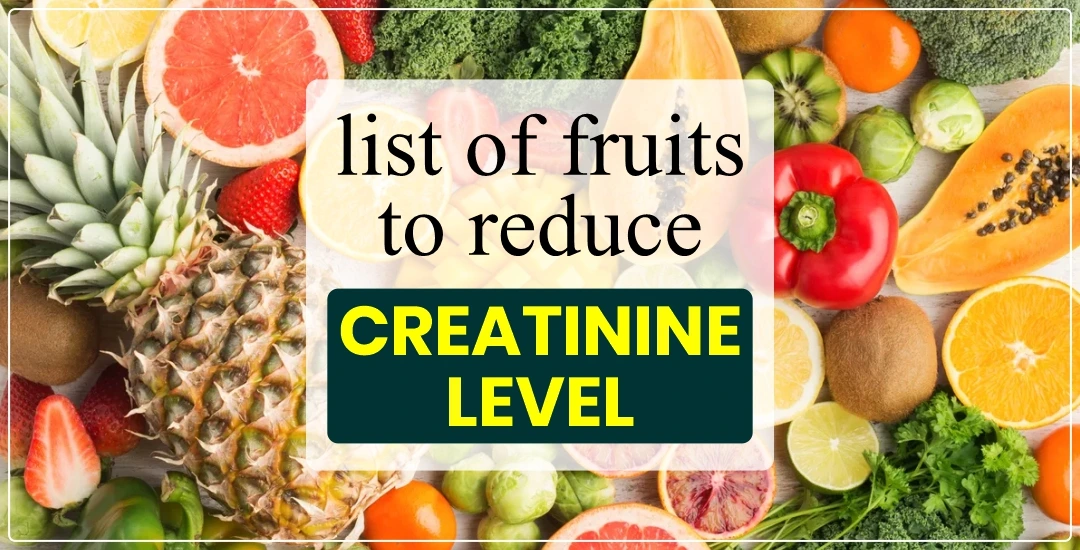
If you or someone in your family has been told that their creatinine levels are high, the first reaction is usually panic. The second reaction? “Okay… what can I eat now?” Don’t worry. You don’t have to survive on plain rice and boiled vegetables forever. Your kidneys might be sensitive right now, but that doesn’t mean your taste buds have to suffer. In fact, there is a dedicated list of fruits to reduce creatinine levels that may help you control creatinine levels in a delicious manner.
Before we jump into the topic of best fruits for high creatinine management, let’s quickly understand what’s happening. Creatinine is a waste product that your body makes when your muscles work. Your kidneys are supposed to filter it out. But when kidneys slow down, creatinine levels rise. That’s when doctors start giving you “the look” and a diet chart.
Now here’s the good news: certain fruits can support kidney health and may help manage creatinine levels naturally. Unfortunately, it may take longer than one night for these foods to work their wonders as far as kidney function is concerned; however, they do have the ability to assist with overall kidney function if combined with appropriate medications and lifestyle changes.
📞 Get a Kidney Health Consultation – Call Now!
Now let’s discuss some examples of fruits that make it to the list of creatinine-reducing diet:
You may have heard that 'An apple (or two) per day' will keep you from seeing a doctor, but did you know that eating apples could help to keep your creatinine levels within acceptable limits? Aside from being low in potassium, apples also contain a large amount of fiber; therefore, they make an excellent choice for those with chronic kidney disease, and they are a part of the stage 3 kidney disease diet.
Apples may help to reduce inflammation and aid with digestive issues. Plus, they are super easy to carry around. No cutting drama, no juice mess. Just wash and eat. Even lazy people approve.
Strawberries, blueberries, and raspberries are like tiny bodyguards for your kidneys, and they are literally staples for you if you want to avoid dialysis naturally. They are full of antioxidants, especially vitamin C and flavonoids, which help reduce oxidative stress in the body. Oxidative stress is basically internal “rusting,” and berries help fight that. They are also lower in potassium compared to many other fruits, which is important when kidney function is reduced.
You can toss them into oatmeal, yogurt, or just eat them as a snack. And yes, they look fancy, but they’re working hard behind the scenes.
📞 Get a Kidney Health Consultation – Call Now!
If fruits had a “kidney-friendly” award, pineapple would definitely be nominated. It is lower in potassium compared to bananas and oranges. It also contains bromelain, an enzyme that supports digestion and reduces inflammation.
Plus, pineapple just makes you feel like you’re on vacation. Even if you’re just sitting at home worrying about lab reports.
Watermelon is mostly water (shocking, I know), and staying hydrated is very important for kidney health. Proper hydration helps kidneys flush out waste products more effectively. Watermelon also contains antioxidants like lycopene, which support overall health.
However, portion control matters. If your doctor has restricted your fluid intake, don’t go overboard. A couple of slices are great. The whole watermelon? Not so much.
Papaya is light, easy to digest, and full of vitamins like A and C. It supports digestion and reduces inflammation in the body. When your kidneys are stressed, you want foods that are gentle and easy to process. Papaya fits perfectly into that plan.
Bonus: It also helps if your stomach feels upset because of medications.
📞 Get a Kidney Health Consultation – Call Now!
Pears are another low-potassium fruit option that works well in a kidney-friendly diet. They are rich in fiber and help maintain healthy digestion. If constipation is becoming your unwanted roommate (which often happens in kidney patients), pears can help.
They’re also sweet enough to satisfy sugar cravings without reaching for sweets that your kidneys would rather avoid.
Red and green grapes both contain antioxidants that support heart and kidney health. Resveratrol, found especially in red grapes, helps reduce inflammation. Since kidney disease often increases the risk of heart issues, this is a double benefit.
Just don’t treat grapes like popcorn. Portion control, remember?
📞 Get a Kidney Health Consultation – Call Now!
If you have kidney problems along with gout or joint pain, cherries can be helpful. They are also rich in antioxidants that support overall kidney function.
However, you can’t just run out and buy every kind of fruit there is without thinking about how it will affect your health first. Fruits are good for you, but are no substitute for medicine in the natural kidney treatment in the USA. The potassium level and stage of chronic kidney disease, as well as the general condition of your body, are very important in deciding what types of fruits would be beneficial or detrimental to you. What may be beneficial for one person may not work at all for another person. CKD treatment without dialysis expects you to take care of the following aspects as well:
Bananas and oranges are generally healthy, but they are high in potassium. If your potassium levels are already high, those might not be your best friends right now.
This is why portion size and balance are important. Even the healthiest fruit can cause problems if eaten in excess. Think of fruits as supportive teammates, not miracle superheroes.
Additionally, you will typically be advised to have fruit depending on your body type and health status when you are managing creatinine levels using Ayurveda. Ayurveda links problems with the kidneys to imbalances in the doshas and accumulation of toxins (Ama).
Fresh, seasonal, and easy-to-digest fruits are usually encouraged because they help cleanse the system gently.
Pair your fruit intake with other kidney-friendly habits. Drink water as advised by your doctor. Avoid processed foods and excessive salt. Limit junk food (yes, even that tempting late-night snack). And most importantly, don’t skip your checkups.
High creatinine doesn’t mean your life has to become boring. It simply means your kidneys are asking for some extra love and care. And honestly, fruits are one of the sweetest ways to show that love.
📞 Get a Kidney Health Consultation – Call Now!
Managing creatinine levels can feel overwhelming at first. There are lab tests, diet charts, restrictions, and a lot of “don’ts.” But the “dos” matter just as much. Including kidney-friendly fruits like apples, berries, pineapple, watermelon, papaya, pears, grapes, and cherries can support your kidney health naturally.
The key is balance, portion control, consistency, and apt advice from a kidney specialist like Dr. Puneet Dhawan. Don’t expect one bowl of fruit to fix everything. But over time, healthy choices add up. Your kidneys work hard for you every single day. The least we can do is choose foods that make their job a little easier.
Disclaimer: Please discuss any changes to your diet with your doctor. You can also book an online kidney consultation in the USA with Karma Ayurveda USA.
📞 Get a Kidney Health Consultation – Call Now!
A: Drink enough water (if allowed), reduce salt and red meat, avoid excess protein, manage blood pressure and sugar, and follow a kidney-friendly diet and treatment plan.
A: Apples, papaya, pineapple, pears, berries, and small amounts of watermelon. They are light on kidneys and rich in antioxidants.
A: Drink enough water, reduce salt, limit red meat, control BP and sugar, and follow a kidney-friendly diet/treatment.
A: It’s usually normal. During pregnancy, the kidneys work faster, so creatinine levels naturally decrease.
A: Avoid red meat, salty foods, processed snacks, excess protein, and high-potassium foods (if advised).