Sep 23 , 2026
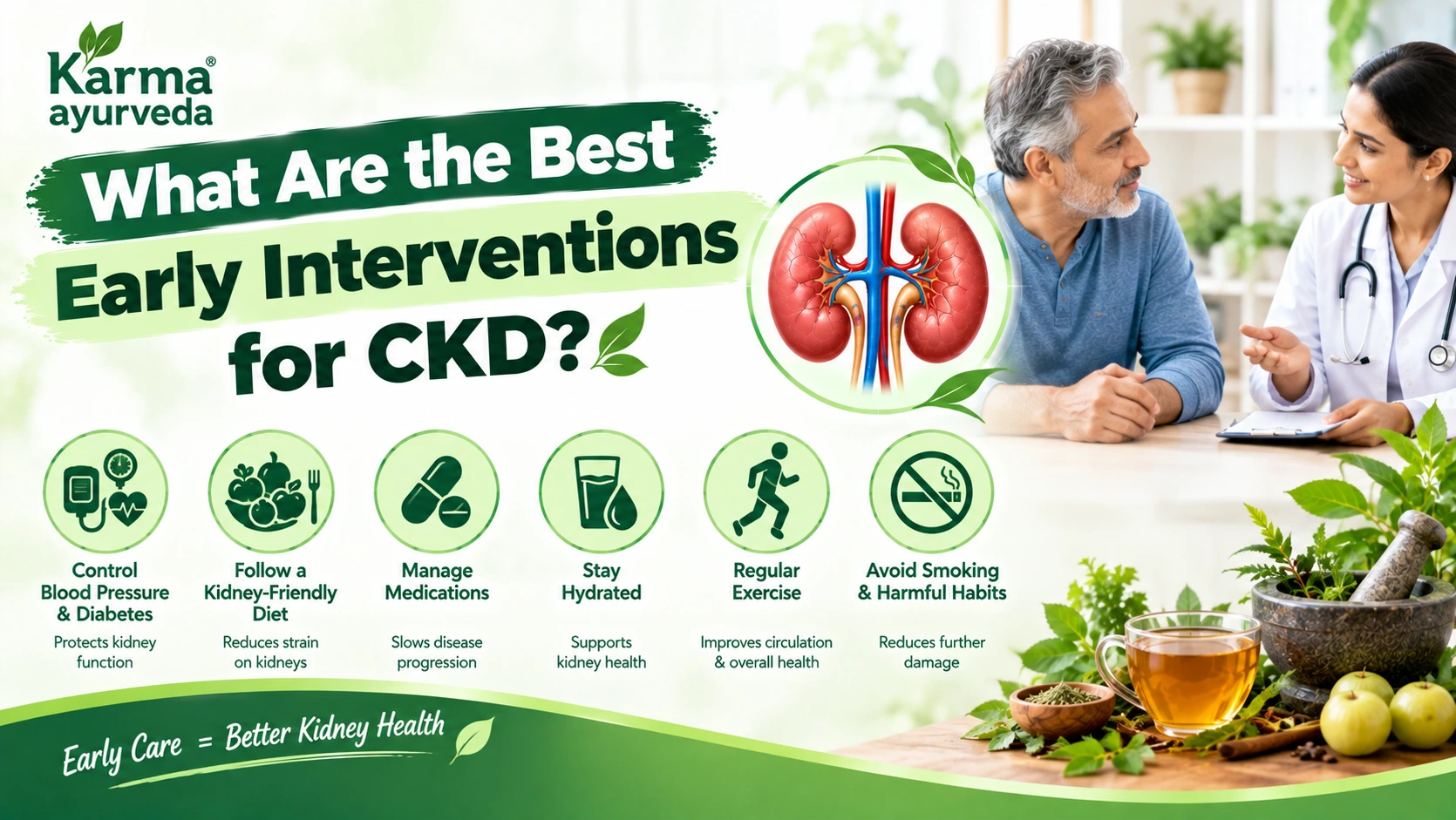
The best early interventions for CKD are simple: catch it early, control blood pressure and blood sugar, and start the right medications before your kidneys get any grumpier. That's really the whole plot. The rest of this blog is just me explaining why, because "trust me bro" isn't a treatment plan.
Here's the thing about kidneys; they're the most patient organs in your body. They'll take a beating for years and never complain, right up until they suddenly, dramatically quit like an employee who's been unhappy since 2019. That's why chronic kidney disease is often called a "silent" condition. No fireworks, no warning bells, just a slow leak that shows up on a blood test one day and ruins your whole week.
So let's talk about what actually helps in the early days, before things get complicated, expensive, and dialysis-shaped.
If you've just been told you have Stage 1 or Stage 2 kidney disease, congratulations; weirdly, this is actually good news. Early stages are the most fixable. A solid stage one kidney disease treatment plan at this point is mostly about lifestyle tweaks and monitoring, not heavy-duty medication. Wait too long, though, and your options start shrinking faster than your patience during a hospital waiting room visit.
📩 Ask a Kidney Expert (Free 10-Min Consultation)
Let's break down what genuinely moves the needle, based on actual research and not just wellness-blog vibes.
If someone is also exploring natural kidney treatment, it is important to remember that “natural” does not automatically mean safe or appropriate for every stage of CKD. Any herbs, supplements, or complementary approaches should be discussed with a qualified healthcare professional, particularly if you are already taking kidney or blood-pressure medications.
|
Approach |
What It Does |
Effort Level |
Kidney's Reaction |
|
Ignoring symptoms |
Nothing, obviously |
Zero |
Visibly offended |
|
Blood pressure control |
Reduces strain on filtering units |
Low-Medium |
Relieved sigh |
|
ACE inhibitors/ARBs |
Slows protein leakage, protects function |
Medium |
Grateful nod |
|
SGLT2 inhibitors |
Slows CKD progression, protects heart too |
Medium |
Pleasantly surprised |
|
Diet changes |
Reduces daily workload on kidneys |
Medium |
Appreciative |
|
Skipping doctor visits |
Delays detection of problems |
Zero |
Deeply unimpressed |
Good kidney care isn't about one dramatic fix; it's about consistency. Think of it less like a superhero movie and more like watering a plant regularly instead of drowning it once a year out of guilt. Early CKD intervention works precisely because it's boring, steady, and unglamorous. No one's making a documentary about "patient takes medication daily and shows up to appointments," but that's genuinely the stuff that keeps kidneys functioning for decades longer.
For people interested in complementary approaches, the best Ayurvedic herbs for kidneys should not be chosen casually. Kidney function can affect how the body handles substances, and some herbs may interact with medications or may not be appropriate for someone with CKD. A healthcare professional should help determine whether any such approach is suitable.
A meta-analysis of randomized controlled trials on SGLT2 inhibitors also found meaningful reductions in CKD progression and mortality across different patient groups, reinforcing that these aren't just diabetes drugs wearing a nephrology costume; they're legitimately useful on their own merit.
📩 Ask a Kidney Expert (Free 10-Min Consultation)
Often yes, or at least stabilized significantly, with early lifestyle changes and proper medical guidance.
ACE inhibitors or ARBs are typically the first line of treatment for most CKD patients.
Yes, studies show they slow kidney disease progression in non-diabetic patients too.
Every three to six months is common, though your doctor may adjust this based on your numbers.
Diet helps a lot, but it usually works best alongside medication and regular monitoring, not as a standalone fix.
This blog is for general informational purposes only and isn't a substitute for professional medical advice, diagnosis, or treatment. Kidney disease varies widely from person to person, so talk to a qualified doctor about what's right for your specific situation before making any changes.
