Jul 07 , 2026
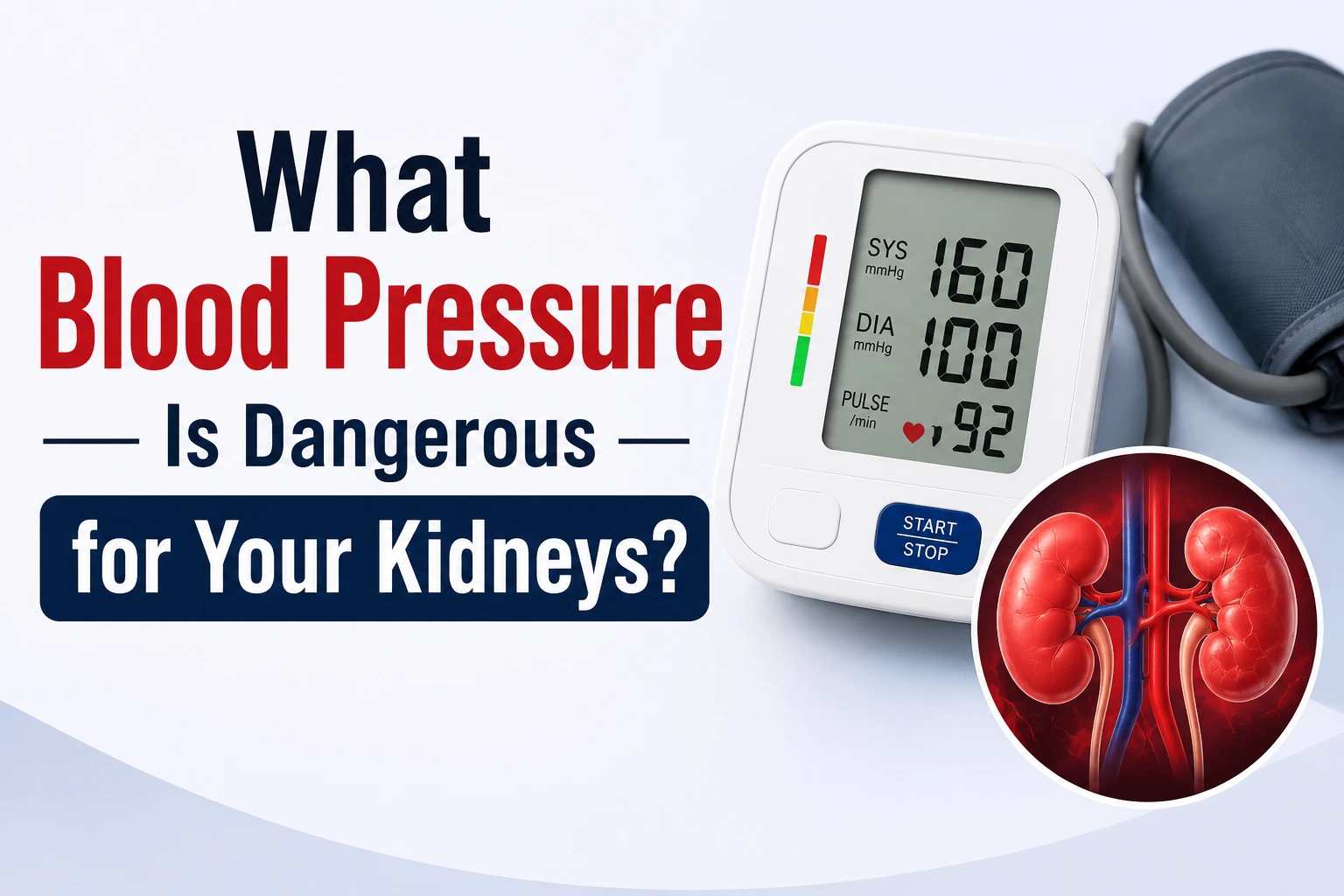
The short answer: anything consistently above 130/80 mmHg starts putting your kidneys on edge, and once you're hovering around 140/90 mmHg or higher, you're in territory doctors genuinely worry about. If you're wondering what blood pressure is dangerous for your kidneys, this is generally the range where the risk starts to climb.
Here's the thing nobody tells you in a fun way: your kidneys are basically tiny, obsessive filtration factories, and they run on blood pressure. They need a certain amount of pressure to push blood through millions of microscopic filters called nephrons. Too little pressure, and filtration slows down. Too much pressure, and those delicate filters start to get battered like a garden hose left on full blast for years.
Think of your kidney's blood vessels as soft, narrow tubing. Now imagine running high-pressure water through them, day after day, for a decade. Eventually, that tubing wears out, stretches, scars, or springs leaks. That's essentially what chronic high blood pressure does to kidney tissue, just slower and quieter, leading to blood pressure kidney damage over time.
📞 Get a Kidney Health Consultation – Call Now!
Doctors generally use these categories, and they matter more than people realize:
Normal: Below 120/80 mmHg
Elevated: 120-129 systolic, under 80 diastolic
Stage 1 Hypertension: 130-139 systolic OR 80-89 diastolic
Stage 2 Hypertension: 140/90 mmHg or higher
Hypertensive Crisis: 180/120 mmHg or higher (this one means go to the ER, not finish your coffee first)
According to the American College of Cardiology and American Heart Association guidelines (2017), the threshold for diagnosing hypertension was actually lowered to 130/80 mmHg, specifically because research kept showing kidney and heart damage starting earlier than previously assumed. So that comfortable "it's just a little high" mindset doesn't really hold up scientifically anymore. Maintaining a healthy blood pressure is one of the best ways to protect your kidneys in the long run.
This is honestly the most frustrating part. Your kidneys don't really send you a memo when they're struggling. There's no early-warning ache, no dramatic symptom in the first stages. By the time you feel something, like swelling, fatigue, or changes in urination, a fair amount of damage may have already happened. Some people may also notice high blood pressure symptoms kidneys can be associated with, although kidney damage often remains silent until it progresses.
A long-running study called the MRFIT study (Multiple Risk Factor Intervention Trial), originally conducted in the 1970s-80s and followed up over subsequent decades, found a clear, graded relationship between higher blood pressure and increased risk of kidney failure later in life. The higher the number, the higher the risk, with no real "safe plateau" once you cross into hypertensive ranges.
📞 Get a Kidney Health Consultation – Call Now!
Here's the slightly annoying plot twist: high blood pressure damages kidneys, but damaged kidneys also raise blood pressure. It's a two-way street, or honestly more like a roundabout with no exit.
When hypertension kidneys are already affected, they struggle to regulate fluid and sodium properly, which pushes blood pressure even higher. That higher pressure then injures the kidneys further. Researchers have documented this loop extensively, including in findings published through the National Kidney Foundation's research summaries (ongoing surveillance data, multiple years), which consistently show hypertension as both a leading cause and a common consequence of chronic kidney disease.
|
Blood Pressure Reading |
Category |
What It Might Mean for Kidneys |
|
Below 120/80 |
Normal |
Kidneys are relatively chill |
|
120-129 / under 80 |
Elevated |
Early warning sign, lifestyle tweaks matter |
|
130-139 / 80-89 |
Stage 1 Hypertension |
Increased long-term kidney strain risk |
|
140/90 and above |
Stage 2 Hypertension |
Higher risk of nephron damage over time |
|
180/120 and above |
Hypertensive Crisis |
Possible acute kidney injury, urgent care needed |
Understanding blood pressure levels kidney disease experts recommend monitoring can help you take action before serious complications develop.
📞 Get a Kidney Health Consultation – Call Now!
It's not just one isolated study making noise here. Multiple long-term research efforts point in the same direction.
The SPRINT trial (Systolic Blood Pressure Intervention Trial), conducted by the National Institutes of Health and published in 2015, looked at intensive blood pressure control (targeting below 120 systolic) versus standard control (below 140 systolic) in adults at risk of cardiovascular issues. While the kidney-specific results were nuanced, the broader cardiovascular and mortality benefits of tighter control were significant enough that the trial was stopped early because the results were so clear.
Separately, research published through the Framingham Heart Study, an ongoing cohort study that began in 1948 and continues with multi-generational follow-ups, has repeatedly linked sustained high blood pressure to declining kidney function over decades of observation. It's one of the longest-running health studies in existence, and its findings around blood pressure and organ damage have shaped a huge chunk of modern cardiology and nephrology guidance.
If we're being precise and a little cautious here, because nobody's kidneys read the same textbook, most nephrologists (kidney specialists) tend to flag sustained readings at or above 140/90 mmHg as the point where kidney-specific risk becomes harder to ignore. For people who already have diabetes or existing kidney disease blood pressure targets often drop even lower, sometimes to 130/80 mmHg, because their kidneys are already working with less of a safety margin.
So, what blood pressure is dangerous for your kidneys? In general, consistently high readings above 140/90 mmHg are considered a dangerous blood pressure for kidneys, while even levels above 130/80 mmHg deserve attention, especially if you have other risk factors.
This isn't a one-size-fits-all situation, and it genuinely depends on individual health history, so it's worth treating this as general information rather than a personal diagnosis.
📞 Get a Kidney Health Consultation – Call Now!
You don't need to overhaul your entire existence overnight. A few genuinely manageable habits show up again and again in research as helpful for blood pressure and kidney health together:
Cutting back on sodium-heavy processed foods, not because salt is evil, just because it's sneaky
Staying consistently hydrated, but not in a dramatic "gallon a day" influencer way
Moving your body regularly, even boring walks count
Limiting alcohol, since it can spike blood pressure more than people expect
Managing stress, because cortisol and blood pressure are oddly close friends
Getting regular checkups, since blood pressure cuffs are cheap and kidneys can't text you updates
High blood pressure doesn't kick your kidneys all at once. It's more of a slow, persistent pressure that adds up quietly over years. The research consistently points toward 130/80 mmHg as a meaningful threshold, with 140/90 mmHg and above representing a clearer danger zone for kidney health specifically. But individual risk varies, and this article isn't a substitute for an actual conversation with your doctor, who can look at your full health picture rather than just one number on a screen.
If there's one thing worth remembering, it's this: your kidneys are quiet workers, not complainers. Keeping an eye on your blood pressure is one of the simplest ways to make sure they keep doing their job without filing a silent, slow-motion complaint you won't notice until much later.
📞 Get a Kidney Health Consultation – Call Now!
A blood pressure above 140/90 mmHg or higher can increase the risk of kidney damage.
Yes, uncontrolled high blood pressure can damage the filters inside the kidneys, leading to poor renal function in the long run.
A blood pressure below 120/80 mmHg is considered normal for kidney health.
Yes, managing blood pressure can help slow down the damage to the kidneys.