Aug 06 , 2026
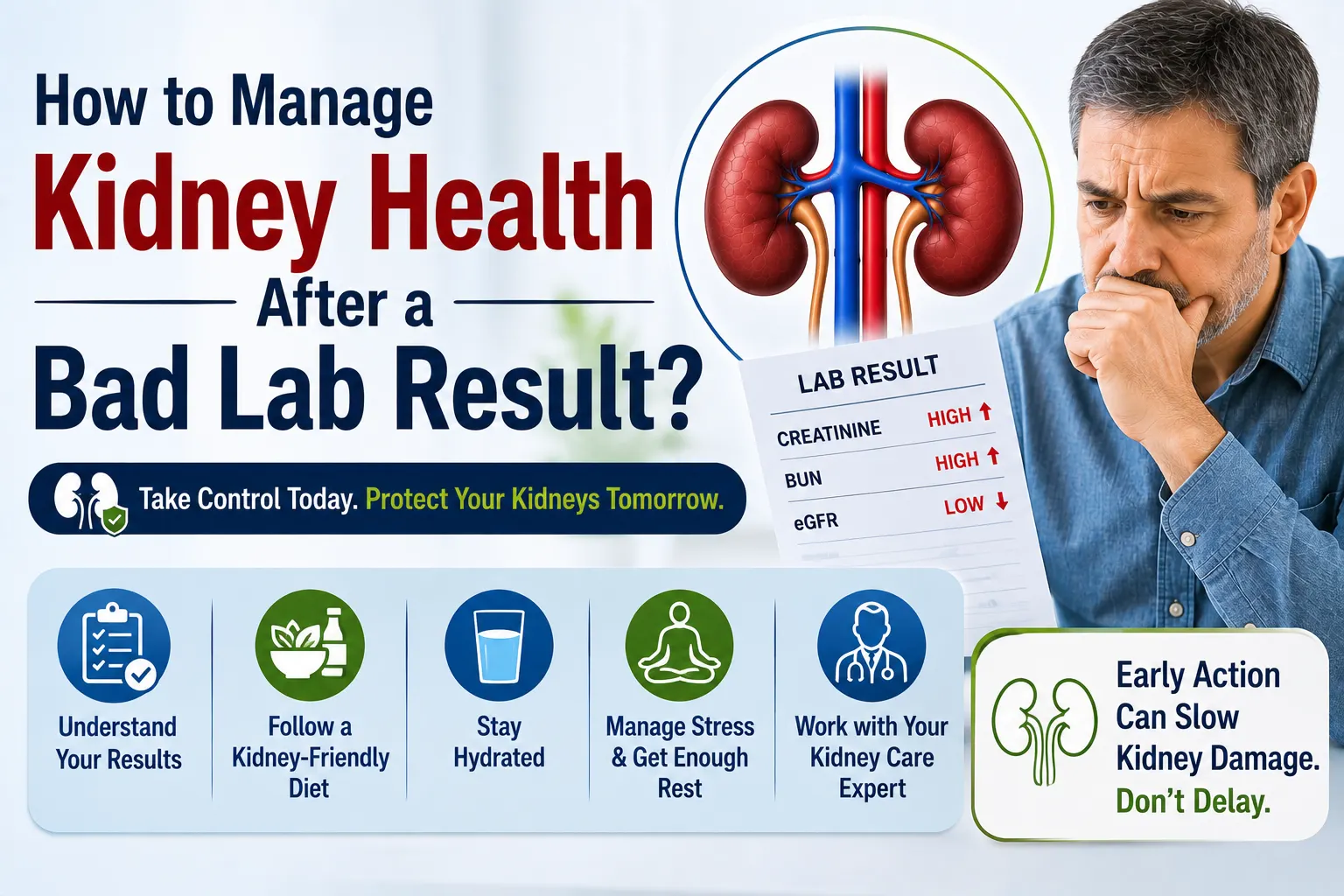
So your creatinine number came back looking angrier than usual, and now you're panic-Googling at 11 PM. Here's the short answer: breathe, call a kidney disease doctor, and know that one bad lab result is a data point, not a death sentence. Now let's talk about what actually comes next.
Creatinine is basically the exhaust fume of your muscles, and your kidneys are supposed to filter it out like a bouncer at a club; efficiently, quietly, no drama. When that number climbs, it usually means the bouncer is getting tired.
A slightly elevated number, like a creatinine 1.4 treatment plan, is often about lifestyle tweaks; hydration, blood pressure control, cutting back on the ibuprofen you've been popping like candy. A number up around 5, though, calls for a very different conversation, and a creatinine 5 treatment approach usually involves closer monitoring, medication adjustments, and sometimes a referral to a specialist who deals in kidneys for a living.
The point is: context matters. One number doesn't tell the whole story. Your renal function is judged on a whole panel: GFR, protein in urine, blood pressure trends; not one lonely digit on a page.
📞 Get a Kidney Health Consultation – Call Now!
Look, I get it. The internet is right there, and it's free, and it's 2 AM. But self-diagnosing kidney trouble is like trying to fix your car's check engine light by staring at it really hard. You need an actual mechanic; in this case, a kidney disease doctor who can order the right follow-up tests, check for dehydration, medication side effects, or infections that can all cause a temporary spike.
Research published in the Clinical Journal of the American Society of Nephrology has repeatedly shown that a single elevated creatinine reading, especially without other risk factors, often resolves once hydration and medications are adjusted. So before you spiral, get it rechecked.
If your doctor confirms there's a genuine issue, here's where good kidney care usually starts:
Blood pressure control: The landmark SPRINT trial found that tighter blood pressure management significantly slowed kidney function decline in at-risk adults.
Cutting back on salt and processed food; not because salt is evil, but because your kidneys are already working overtime.
Reviewing your medications; some painkillers and certain blood pressure drugs need dose adjustments.
Managing blood sugar; since diabetes remains one of the top causes of kidney damage worldwide, according to data tracked by the National Kidney Foundation.
Regular follow-up labs; because trends matter far more than a single snapshot.
If you're feeling overwhelmed and just want someone to tell you what to actually do next, that's completely normal; this is exactly the kind of moment where getting proper kidney disease help from a professional beats guessing based on forum posts.
📞 Get a Kidney Health Consultation – Call Now!
|
Situation |
What It Usually Means |
What You Should Do |
|
Creatinine slightly up, one-time test |
Probably dehydration, a workout, or too much protein powder |
Drink water, retest, stop blaming your kidneys for your gym bro diet |
|
Creatinine consistently high |
Something's actually going on |
See a kidney disease doctor, get a full panel |
|
Creatinine very high (like the "5" range) |
Your kidneys are waving a big red flag |
Specialist referral, closer monitoring, possible medication changes |
|
You feel totally fine but numbers are off |
Kidneys are quiet sufferers; symptoms show up late |
Don't wait for symptoms; trust the labs |
📞 Get a Kidney Health Consultation – Call Now!
Getting a scary lab result messes with your head, not just your kidneys. It's okay to feel anxious. It's also okay to laugh about the fact that an organ shaped like a bean is suddenly running your whole life. Humor helps. So does information. So does not doing this alone; loop in family, ask questions at appointments, write things down.
A study in Kidney International Reports found that patients who actively engaged with their care team and understood their treatment plan had better long-term outcomes than those who passively received instructions. Translation: ask your doctor annoying questions. It's good for you.
One bad creatinine number is a reason to retest, not to panic.
A kidney disease doctor can tell the difference between "temporary blip" and "actual issue."
Blood pressure and blood sugar control are the biggest levers for protecting renal function.
Treatment approaches differ hugely between mild elevation and severe elevation, so don't compare your numbers to your neighbor's.
Getting proper kidney disease help early tends to lead to better outcomes than waiting it out.
📞 Get a Kidney Health Consultation – Call Now!
Not usually on its own; it's often mild and manageable with hydration, diet, and monitoring.
It typically signals significant kidney impairment and needs prompt evaluation by a specialist.
Yes, in many cases, especially if the cause is dehydration, medication, or blood pressure related.
Not always immediately, but persistent or very high numbers usually warrant a specialist referral.
Absolutely; blood pressure control, hydration, and diet changes are proven to slow kidney decline.
Disclaimer: This article is for general informational purposes only and isn't a substitute for professional medical advice, diagnosis, or treatment. Lab results and kidney conditions vary widely between individuals, so always consult a qualified doctor before making health decisions based on this content.