Aug 10 , 2026
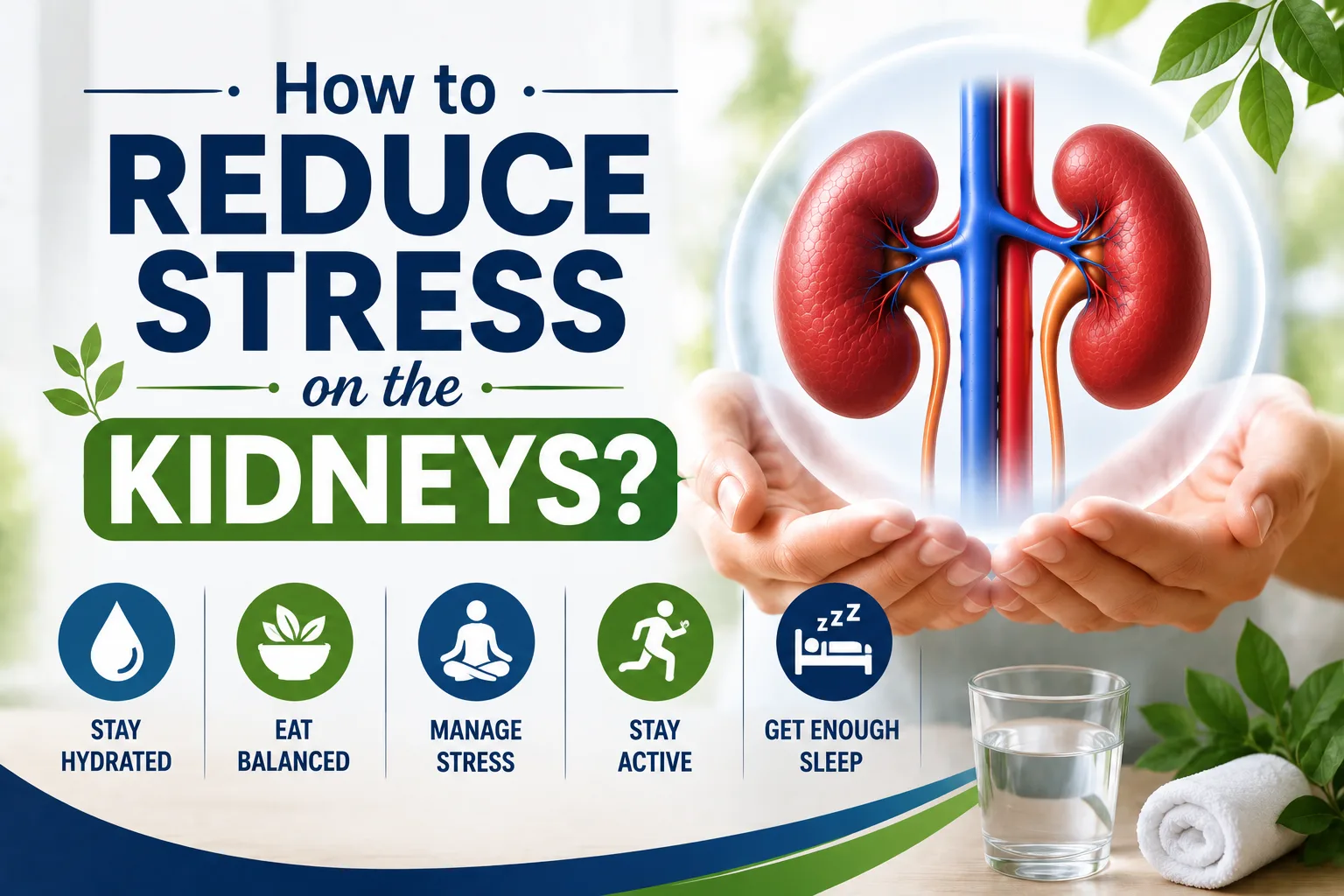
The short answer? Drink enough water, don't go overboard on salt and painkillers, and give your blood pressure a reason to behave. Do those three things consistently and you're already 80% of the way to happier kidneys.
Now let's talk about the other 20%, because your kidneys deserve a little more credit than a one-line answer. These two bean-shaped organs quietly filter about 150 liters of blood every single day, and they never once ask for a raise or a day off. The least we can do is stop making their job harder than it needs to be.
Think of your kidneys as the world's most dedicated filtration system, working a 24/7 shift with zero union representation. Every time you eat a salty snack, skip water for hours, or pop an extra painkiller "just in case," you're handing them more overtime. Over years, that adds up, and it's one of the biggest reasons people eventually look into kidney function treatment instead of just... maintaining things from the start.
The good news is that most everyday habits that stress your kidneys are completely reversible if you catch them early. You don't need a medical degree, just a bit of consistency.
📞 Get a Kidney Health Consultation – Call Now!
Let's get into what actually works, minus the fear-mongering.
Water is the OG kidney support system. A widely cited study published in the Clinical Journal of the American Society of Nephrology found that people who drank more water had a slower decline in kidney filtration rate over time compared to those who drank less. You don't need to chug a gallon and float away; just aim for consistent sips through the day instead of one dramatic liter at 11 PM.
Excess sodium makes your kidneys retain more water, which spikes blood pressure, which then stresses the kidneys further. It's a vicious cycle with no winners. The DASH diet studies (yes, the same one your cardiologist won't stop mentioning) consistently show that lower sodium intake helps both blood pressure and long-term renal function.
Regular, long-term use of NSAIDs like ibuprofen has been linked in multiple studies, including research published in the American Journal of Kidney Diseases, to reduced kidney function over time. An occasional dose for a headache is not the enemy. A daily habit might be.
Exercise helps manage blood pressure, blood sugar, and weight; three of the biggest levers connected to kidney health. You don't need to train for a marathon. A brisk 30-minute walk most days counts as legitimate kidney care.
Diabetes is one of the leading causes of kidney damage worldwide, according to data tracked by the National Kidney Foundation. Keeping blood sugar in a healthy range isn't just about avoiding diabetes complications; it directly protects kidney tissue.
📞 Get a Kidney Health Consultation – Call Now!
|
Habit |
Kidney's Reaction |
|
Drinking water regularly |
"Finally, someone respects the process." |
|
Extra salty fries at midnight |
"Cool, more overtime, no complaints department." |
|
Daily painkiller popping |
"We are filing this under 'concerning.'" |
|
A 30-minute evening walk |
"Oh, we're doing self-care now? Love that." |
|
Ignoring blood pressure checkups |
"We'll just quietly struggle in silence then." |
Keep a water bottle within arm's reach, not in another room
Season food with herbs and spices instead of extra salt
Get blood pressure checked at least once a year
Limit processed and packaged foods (they're sodium in disguise)
Don't skip regular checkups just because you feel fine
These small, boring, unglamorous choices are what real kidney-friendly habits look like. No detox tea required.
None of this means you need to live in fear every time you eat a samosa. It's about consistency over perfection. Your kidneys aren't asking for a five-star wellness retreat; they just want you to stay hydrated, keep your blood pressure in check, and not treat painkillers like candy. Do that, and you genuinely improve kidney function over time, without turning your life into a health documentary.
Hydration and lower sodium intake are two of the simplest ways to support kidney health
Long-term painkiller overuse is linked to reduced kidney function in multiple studies
Managing blood pressure and blood sugar protects kidneys just as much as any "kidney diet"
Regular movement and small daily habits matter more than occasional extreme fixes
Routine checkups catch problems early, when they're easiest to manage
📞 Get a Kidney Health Consultation – Call Now!
Yes, in many early-stage cases, better hydration, diet, and blood pressure control can meaningfully improve kidney function over time.
Cutting back on excess salt and staying properly hydrated gives kidneys quick, noticeable relief.
Occasional use is generally fine, but regular long-term use of NSAIDs has been linked to reduced kidney function in several studies.
Steady, consistent hydration throughout the day is more helpful than drinking a large amount all at once.
An annual checkup, or more often if you have diabetes or high blood pressure, is a reasonable habit for most adults.
Disclaimer: This blog is for general informational purposes only and isn't a substitute for professional medical advice. Kidney health can vary a lot from person to person, so please consult a doctor or nephrologist before making changes to your diet, medication, or health routine.