Sep 03 , 2026
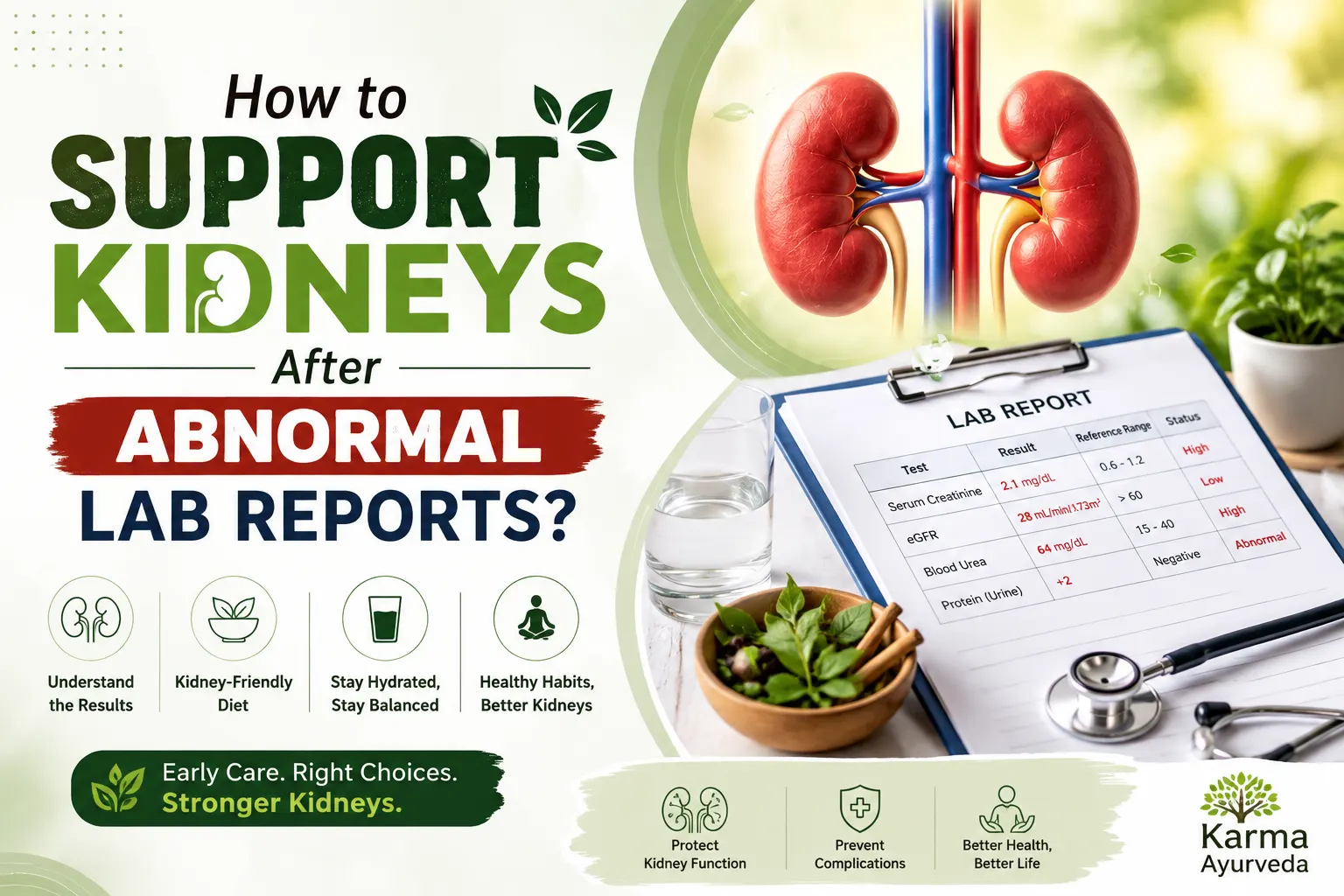
So, your lab report came back with some numbers circled in red, and now you're Googling at 2 AM. Here's the short answer: you support your kidneys after abnormal results with the right diet, hydration, medication compliance, and, most importantly, actual kidney disease help from a professional who isn't WebMD. The rest of this blog is just us unpacking that sentence so it actually makes sense.
Kidneys are basically your body's unpaid, overworked filtration plant. They quietly strain out waste, balance your fluids, and manage blood pressure without ever asking for a raise. When abnormal kidney tests show up- usually elevated creatinine or a dipping eGFR- it means the filter isn't working at full capacity. It doesn't automatically mean disaster. It means attention is needed; the way your car's check engine light doesn't mean the engine's about to fall out, but it does mean stop ignoring it.
A rising creatinine level reflects how well your kidneys clear waste from the blood, so it's one of the first markers doctors watch. According to a widely cited review published in Cureus on chronic kidney disease progression, lifestyle factors like diet, blood pressure control, and physical activity play a measurable role in how fast or slow kidney function declines. Translation: what you do after the abnormal report matters just as much as the report itself.
📩 Ask a Kidney Expert (Free 10-Min Consultation)
Here's where most people want a magic supplement. Sorry, kidneys don't work like that. But there are real, boring, unglamorous things that genuinely move the needle:
Cut the sodium drama; processed foods, extra salt, and that questionable love for instant noodles all make kidneys work overtime.
Hydrate like it's your job; not gallons of water in one sitting (please don't), just consistent, sensible amounts through the day.
Watch your protein portions; a low-protein or moderate-protein diet has repeatedly shown up in kidney research as a way to ease the load on struggling kidneys.
Get blood pressure and sugar under control; the KDIGO clinical guidelines specifically recommend blood pressure below 130/80 mmHg for people with kidney-related protein leakage, because unmanaged BP is basically kidney kryptonite.
Move your body; a 2022 review in Cureus on CKD progression found that regular activity, even something as simple as walking, was linked to slower decline in kidney function.
None of this is exciting. None of it will trend on social media. But it's the actual, research-backed kidney disease help that makes a difference over months and years, not overnight.
If your report specifically flagged something like a creatinine 5 treatment situation, that's not a "drink more water and see you next year" scenario; that's a "please see a nephrologist this week" scenario. A creatinine level around 5 mg/dL usually indicates significantly reduced renal function, and self-managing it with lemon water and good intentions isn't going to cut it. This is squarely a job for a kidney disease doctor, who can run further tests, check for reversible causes, and map out an actual treatment plan.
📩 Ask a Kidney Expert (Free 10-Min Consultation)
|
What You're Tempted To Do |
What Your Kidneys Actually Want |
|
Google "kidney cleanse tea" |
A doctor's appointment and an eGFR recheck |
|
Panic-quit all protein overnight |
Gradual, guided protein moderation |
|
Ignore the report, "I feel fine" |
Follow-up bloodwork in 4–6 weeks |
|
Chug 5 liters of water in one go |
Steady hydration spread across the day |
|
Self-diagnose via forums |
Real kidney care from a professional |
Supporting your kidneys isn't a one-week detox situation; it's closer to maintaining a relationship. Consistent, unglamorous, occasionally annoying, but worth it long-term. Regular check-ups, sticking to prescribed medication, keeping an eye on blood pressure at home, and not treating your diet like a buffet of regret all add up. Whole-food, plant-forward eating patterns have also shown promise in slowing kidney decline in several nutrition studies, without requiring you to give up literally everything you enjoy.
If you're exploring options such as natural kidney treatment, it's still important to discuss them with your healthcare provider first, particularly if your kidney tests are already abnormal. "Natural" doesn't automatically mean harmless, and some herbs or supplements can interact with medications or affect kidney function.
For people interested in Best Ayurvedic herbs for kidneys, the same rule applies: don't start herbs or supplements simply because a product or social media post says they're kidney-friendly. Your kidney function, medications, potassium levels, and underlying condition all matter when deciding what's appropriate.
Abnormal lab numbers are a signal to act, not a reason to spiral.
Diet, hydration, and blood pressure control genuinely influence kidney health outcomes.
A creatinine level around 5 needs prompt medical attention, not home remedies.
Long-term consistency beats short-term "kidney cleanses" every single time.
Real kidney disease help comes from professionals, backed by research; not random internet trends.
Any Ayurvedic treatment for kidneys should be discussed with your healthcare provider, especially when kidney function is already abnormal.
📩 Ask a Kidney Expert (Free 10-Min Consultation)
Sometimes yes, especially if the cause is temporary like dehydration or medication side effects, but it depends entirely on the underlying reason.
Water helps with mild, dehydration-related spikes, but it won't fix creatinine caused by actual kidney damage.
It's smart to check with a kidney disease doctor even for mild changes, mainly to catch patterns early rather than later.
Diet can slow progression and support renal function, but it usually works alongside medical treatment, not instead of it.
Most doctors recommend rechecking within 4 to 6 weeks, though your specific timeline depends on how abnormal the initial result was.
Disclaimer: This blog is for general information and awareness only, not medical advice. Kidney health depends on individual conditions, history, and test results, so please consult a qualified doctor or nephrologist before making any health decisions based on this article.