Sep 24 , 2026
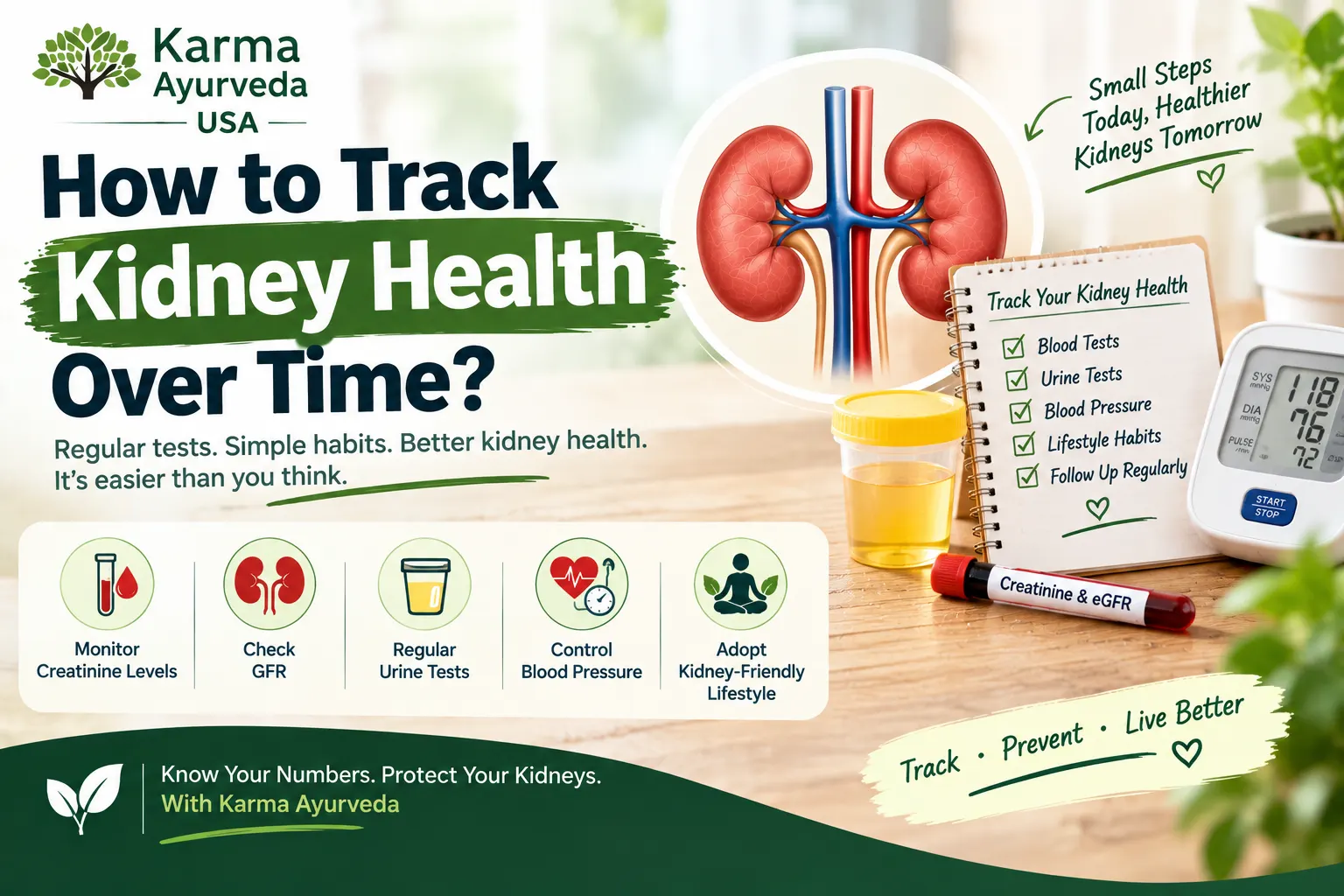
So, how do you actually track kidney health over time? Short answer: a few simple blood and urine tests, done regularly, plus paying attention to what your body's telling you. That's it. That's the whole magic trick; no crystal ball required.
But here's the thing nobody tells you about kidneys: they're the quiet roommates of your body. They don't complain, they don't leave passive-aggressive notes on the fridge, they just... quietly do their job of filtering waste, balancing fluids, and keeping your blood pressure in check. And because they're so drama-free, most people only notice something's wrong when the damage is already fairly advanced. That's exactly why chronic kidney disease management leans so heavily on tracking things over time instead of waiting for a single dramatic symptom to show up and ruin your day.
Imagine judging someone's fitness by watching them walk ten steps. You'd miss everything: the marathon training, the couch-potato phase, all of it. Kidneys are similar. A single kidney test gives you a snapshot, but kidney health is a movie, not a photo.
This is where the idea of trend-watching comes in. Doctors don't just want to know your eGFR (estimated glomerular filtration rate, the number that tells you how well your kidneys are filtering) today; they want to know if it's been sliding downward for the last two years, holding steady, or bouncing around like a caffeinated squirrel. A UK-based FORM-2C cohort study that followed 750 people with reduced kidney function over two years found that average eGFR changes looked quite different depending on which blood marker was used to estimate them, which is basically science's way of saying "context and consistency matter more than a single number."
Similarly, a large study out of Kaohsiung Medical University tracking over 3,000 CKD patients found that bigger swings in kidney function readings over time were linked to worse outcomes, including higher chances of needing dialysis. Moral of the story: it's not just about where your kidneys are; it's about where they're headed.
📩 Ask a Kidney Expert (Free 10-Min Consultation)
You don't need a lab coat to understand this. Here's what usually goes into the mix:
None of these are exotic. Your kidney disease doctor will usually order these at intervals based on your CKD stage; more frequently if things are shakier, less often if you're stable and behaving yourself (kidney-wise).
If you're also exploring natural kidney treatment, remember that tracking your lab results should remain the foundation of understanding how your kidneys are doing. Natural or Ayurvedic approaches should not replace appropriate testing, diagnosis, or medical follow-up.
|
Monitoring Style |
What It's Like |
Verdict |
|
One test, five years ago, never again |
Checking your car's oil once and assuming it's fine forever |
Please don't |
|
Random testing whenever you remember |
Watering your plant only when you feel guilty |
Better than nothing, still risky |
|
Regular scheduled testing |
Meal-prepping on Sundays |
Boring, consistent, actually works |
|
Ignoring symptoms until an ER visit |
Ignoring the "check engine" light until smoke appears |
Do not recommend |
Good kidney care isn't about running fifteen tests in a panic once a year. It's about CKD monitoring over time; small, regular check-ins that build a pattern doctors can actually read. Research on eGFR slope (basically, the "rate of change" doctors love to squint at) supports this: consistently tracked declines are far more predictive of future risk than any single reading, according to clinical trial documentation examining eGFR slope as a marker for rapid kidney function decline.
Here's a simple approach most nephrologists agree on:
Solid chronic kidney disease management really comes down to this rhythm: test, track, adjust, repeat. It's refreshingly unglamorous.
For people considering the best Ayurvedic herbs for kidneys, it's especially important to discuss them with a healthcare professional rather than starting supplements based only on online recommendations. Some herbs can interact with medicines or may not be appropriate when kidney function is reduced.
📩 Ask a Kidney Expert (Free 10-Min Consultation)
If you're healthy with no risk factors, once a year is generally fine, but ask your doctor to be sure.
Sometimes early-stage decline can stabilize with lifestyle and medical changes, though advanced damage usually isn't reversible.
There isn't one single best test; eGFR and urine albumin together give the most useful picture.
Yes, blood pressure and kidney function are closely linked, so controlling one helps protect the other.
Your regular doctor can handle early monitoring, but a kidney specialist is worth seeing once numbers start trending the wrong way.
Disclaimer: This blog is for general informational purposes only and isn't a substitute for professional medical advice, diagnosis, or treatment. Kidney health varies person to person, so please talk to a qualified doctor about your specific situation before making any health decisions.