Jul 14 , 2026
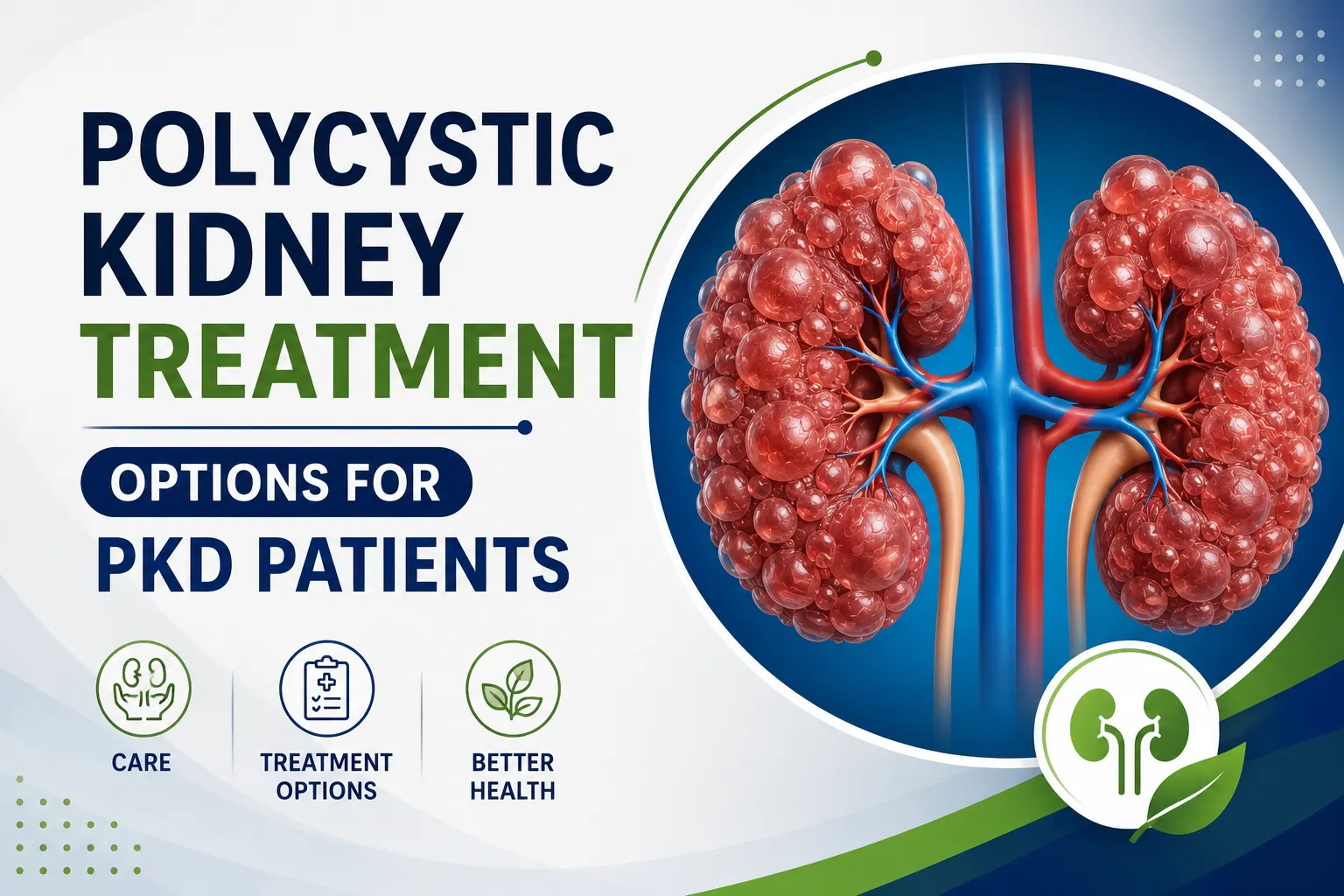
If you or a loved one are looking for the absolute best polycystic kidney treatment options, the short answer is that while there is no definitive cure yet, a combination of targeted prescription medication, rigorous blood pressure management, and proactive lifestyle adjustments can significantly slow down the disease. Navigating a genetic condition like Autosomal Dominant Polycystic Kidney Disease (ADPKD) can feel a bit like trying to assemble IKEA furniture without the manual; confusing, slightly alarming, and full of parts you aren't sure what to do with. But don't worry. Managing your kidney health doesn't mean sitting back and watching fluid-filled cysts take over the real estate in your abdomen.
Thanks to major leaps in medical research, contemporary PKD treatment is highly active, focused, and tailored to keep your kidneys functioning smoothly for as long as possible. Let’s break down exactly what your choices look like, completely free of dense medical jargon.
📞 Get a Kidney Health Consultation – Call Now!
For a long time, treating PKD was mostly a game of whack-a-mole; doctors just treated the symptoms as they popped up. Today, a kidney specialist has much better tools to strike at the root cause of cyst growth.
The undisputed MVP in specific polycystic kidney treatment is a medication called Tolvaptan. Cysts need a hormone called vasopressin to grow and fill with fluid. Tolvaptan essentially blocks that hormone, telling the cysts, "Access denied."
The landmark TEMPO 3:4 Trial, published in The New England Journal of Medicine, conclusively proved that Tolvaptan significantly slows down both kidney enlargement and the decline of kidney function in rapidly progressing patients. A follow-up study known as the REPRISE Trial expanded on this, showing it even helps patients in slightly later stages of the condition. The catch? It makes you incredibly thirsty, meaning you’ll be on a first-name basis with your local bathroom.
High blood pressure is both a symptom and a cause of accelerating kidney damage. To protect your filters, your doctor will likely put you on specific blood pressure medications like ACE inhibitors or ARBs. The HALT-PKD Trial showed that rigorous, tight blood pressure control directly correlates with a slower increase in total kidney volume.
While medications do the heavy lifting inside your bloodstream, your daily habits act as the ultimate defensive line for your kidney care.
Hydration, Hydration, Hydration: Drinking plenty of water naturally suppresses that pesky vasopressin hormone we talked about earlier. Think of water as your free, natural addition to polycystic kidney treatment.
The Low-Sodium Showdown: Salt is high blood pressure’s best friend. Cutting back on processed foods and keeping your sodium intake low gives your kidneys a much-needed break.
The Protein Balance: While you don't need to abandon meat entirely, steer away from loading on high-protein items.
📞 Get a Kidney Health Consultation – Call Now!
To give you a quick bird's-eye view, here is how the primary pieces of the management puzzle stack up against each other:
|
Treatment Strategy |
What It Actually Does |
The Main Superpower |
The Annoying Catch |
|
Tolvaptan Therapy |
Blocks the hormone that feeds cyst growth. |
Directly slows down kidney growth. |
You will pee. A lot. Constant hydration required. |
|
Blood Pressure Management |
Keeps your systemic blood pressure low. |
Protects delicate blood vessels from bursting. |
Missing a dose can cause a quiet spike in damage. |
|
Dietary & Lifestyle Changes |
Lowers salt, balances protein, increases water. |
Puts less daily stress on your body. |
Saying goodbye to extra-salty potato chips. |
📞 Get a Kidney Health Consultation – Call Now!
Sometimes, despite your best efforts, specific cysts become massive, painful, or infected. In those cases, a kidney specialist might recommend a minimally invasive procedure called sclerotherapy to drain the troublesome cyst and seal it up.
If the disease progresses toward kidney failure, advanced renal support options step in. This includes dialysis or finding a donor for a kidney transplant.
Be Proactive: Modern pkd treatment focuses on slowing down the disease early rather than waiting for things to get severe.
Water is Wealth: Staying thoroughly hydrated is one of the simplest, most scientifically backed ways to suppress cyst-growing hormones.
Watch the Pressure: Keeping your blood pressure under strict control protects your remaining healthy kidney tissue.
Build Your Team: Regular visits to a dedicated specialist ensure your treatment plan evolves alongside the newest clinical research.
Although a proper diet and hydration are good for kidney care, they are only effective if used in conjunction with medical treatment.
Your doctor will always check your overall kidney size with the use of MRI and ultrasound scans, as well as monitor the level of your eGFR.
Yes, new drugs are being developed in clinical trials regularly, and the new clinical guidelines are being updated with the newest therapies.
Disclaimer: This article is strictly for informational and educational purposes and should not be taken as medical advice. Polycystic kidney disease is a complex, highly individualized genetic condition. Always consult a qualified physician or healthcare provider regarding any changes to your treatment plan, medications, or dietary routine.