Jul 09 , 2026
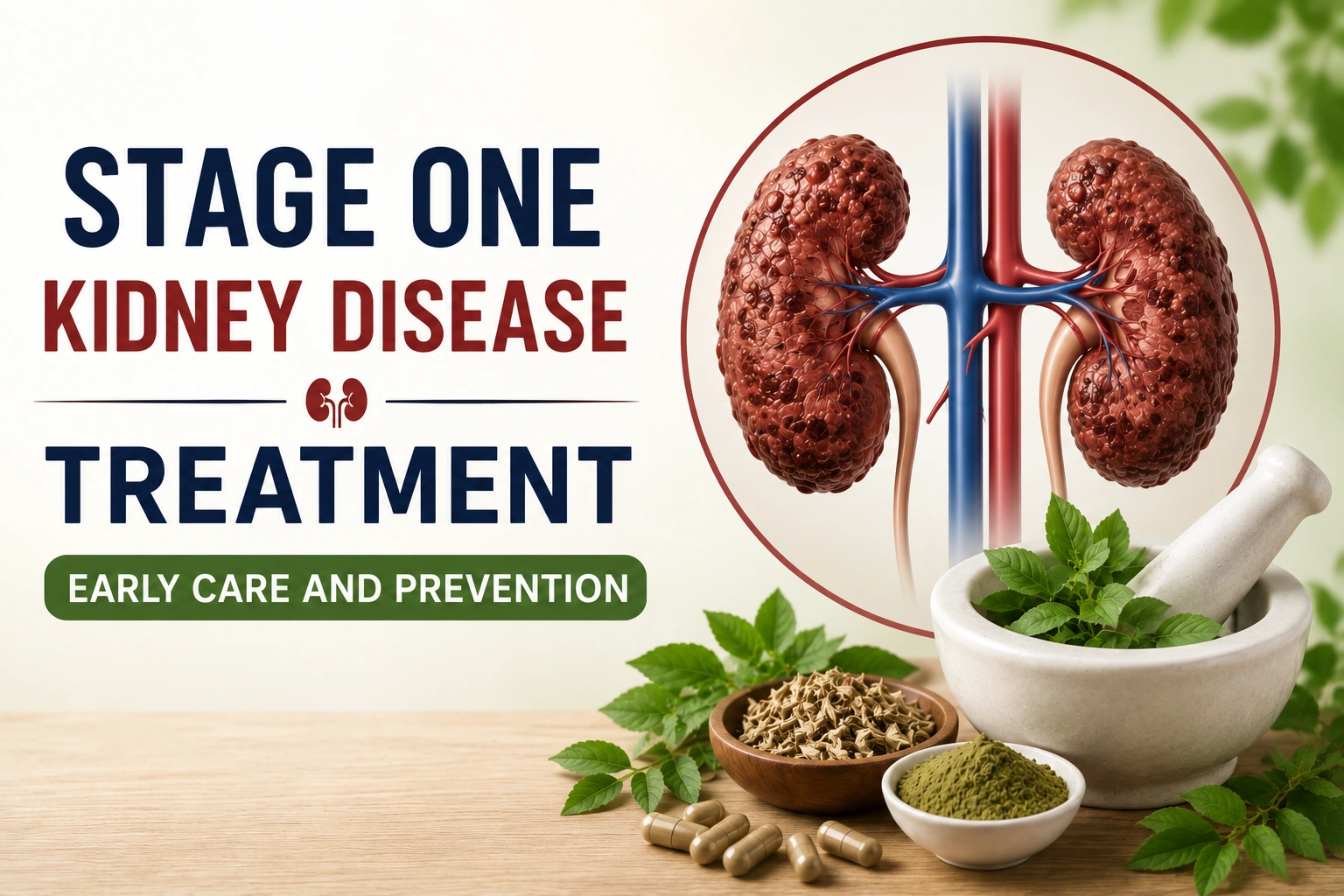
Good news first: stage one kidney disease treatment is mostly about lifestyle tweaks, not scary machines or hospital beds. If your doctor just told you that you're in "Stage 1," your kidneys are still doing 90%+ of their job; you've just been handed an early warning, not a life sentence.
Think of it like your car's "check engine" light coming on when everything still drives fine. Annoying? Yes. Ignorable? Absolutely not. This is the stage where a little effort now saves you a LOT of hassle (and dialysis chairs) later.
Doctors measure kidney health using something called GFR (Glomerular Filtration Rate); basically, a report card for how well your kidneys filter waste out of your blood. In Stage 1, your GFR is still 90 or above (which is great), but there's some evidence of damage, like protein showing up in your urine where it shouldn't be.
Most people feel completely fine. No symptoms, no drama. That's actually the tricky part; it's easy to ignore something that doesn't hurt.
Here's the part that surprises people: stage one kidney disease treatment rarely involves medication just for the kidneys themselves. Instead, it's about fixing whatever is stressing your kidneys out in the first place; usually high blood pressure, diabetes, or both. Manage those, and you're already doing 80% of the work.
Cutting back on salt; your kidneys will thank you, and so will your blood pressure
Staying hydrated (but not chugging gallons "just in case")
Moving your body regularly; even a daily walk counts
Getting regular checkups so your kidney disease doctor can track changes early
Managing blood sugar and blood pressure like they're your new part-time job
A 2022 study published in a renal health journal followed CKD patients on a low-phosphorus diet for a year and found it helped preserve kidney function and slowed markers of kidney stress compared to a higher-phosphorus diet; proof that food choices genuinely move the needle this early on. Separately, research on lifestyle intervention programs for CKD patients (Navaneethan et al.) found that a structured, year-long program combining diet and weight management led to modest weight loss tied to healthier biomarkers and a slower decline in kidney function over time.
📞 Get a Kidney Health Consultation – Call Now!
|
Option |
Effort Level |
Kidney Payoff |
|
Cutting salt |
Low (mostly just reading labels) |
High |
|
Regular walks |
Medium (couch is comfy) |
High |
|
Quitting smoking |
High (be honest) |
Very High |
|
Skipping random supplements |
Low |
Surprisingly High |
|
Actually going to checkups |
Low, unless you hate waiting rooms |
Essential |
Among the various early-stage kidney disease treatment options, none of them require you to become a different person overnight. Small, boring, consistent habits win here; not extreme diets you'll quit by February.
📞 Get a Kidney Health Consultation – Call Now!
Because kidneys are quiet overachievers; they don't complain loudly until things get serious. Catching problems in Stage 1 is like patching a small leak in the roof instead of waiting for the ceiling to fall in. Research from clinical exercise studies in early-to-moderate CKD patients (Howden et al.) also found that structured activity programs improved cardiorespiratory fitness, which matters because heart health and kidney health are basically roommates who share everything.
If you're looking for kidney disease help, the earliest and cheapest source is honestly, your own daily habits, backed by regular bloodwork.
To improve kidney function and protect renal function long-term, focus on consistency over intensity:
Keep protein intake reasonable, not excessive
Limit processed foods (sorry, chip lovers)
Stay on top of blood pressure readings at home
Ask your doctor before starting any new supplement; some are surprisingly hard on kidneys
Build a support system, whether that's family, friends, or an online kidney support community
Stage 1 kidney disease means early damage with normal kidney function; it's a warning, not a crisis
Stage one kidney disease treatment focuses on managing blood pressure, blood sugar, and lifestyle habits
Diet, hydration, and movement genuinely influence outcomes, backed by real studies
Regular checkups catch changes before they become bigger problems
Small, sustainable habits beat dramatic short-term diets
📞 Get a Kidney Health Consultation – Call Now!
Often yes, especially if the underlying cause, like high blood pressure or blood sugar, gets managed early.
Not bad, just something to keep moderate rather than eliminate entirely.
Diet plays a big role, but it works best combined with exercise and regular medical monitoring.
Disclaimer: This blog is for general information only and isn't medical advice. Kidney health depends on individual factors, so please consult a qualified doctor or nephrologist before making changes to your diet, medication, or treatment plan based on anything you've read here.
