Jul 21 , 2026
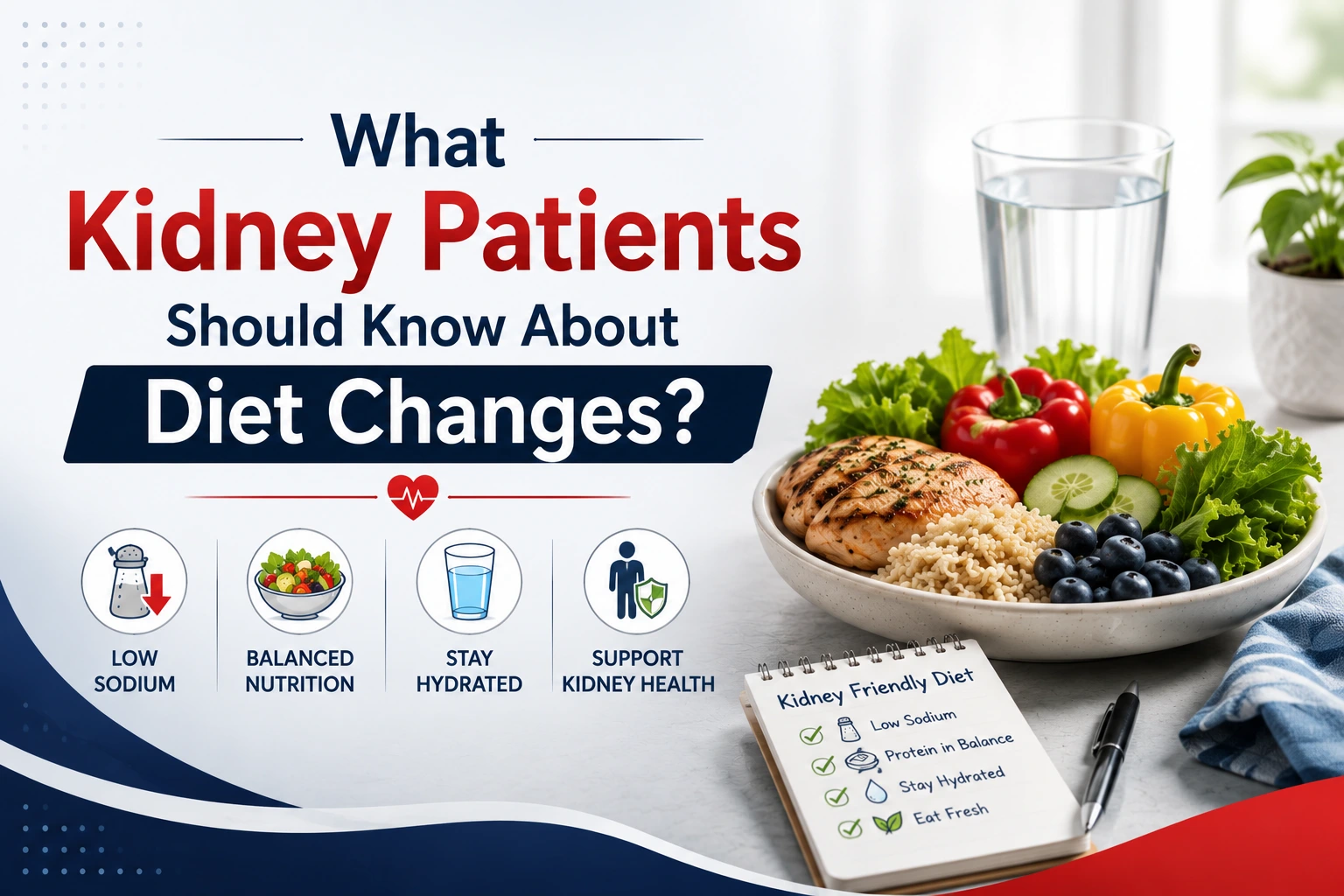
If you just found out your kidneys need a little extra love, here is the golden rule: managing your diet isn’t about starving; it’s about swapping out a few molecular trouble-makers to give your hardworking internal filters a much-needed break. If you are a kidney disease patient, changing what you eat is genuinely one of the most powerful ways to keep your body running smoothly.
Let’s be honest; hearing the word "diet" usually makes people want to run for the hills. But when it comes to chronic kidney disease management, we aren't talking about drinking cabbage water for the rest of your days. Think of it more like changing the oil filters in a vintage sports car. Your kidneys are those filters, working 24/7 to clear out waste, balance fluids, and keep your blood pressure from spiking. When they get a bit sluggish, certain nutrients start backing up like a traffic jam at rush hour.
Adjusting to diet changes for kidney patients can feel overwhelming at first, but once you get the hang of it, your body will absolutely thank you.
📞 Get a Kidney Health Consultation – Call Now!
When you dive into kidney care, your doctor or dietitian will likely start talking about three specific elements as if they are villains in a superhero movie: sodium, potassium, and phosphorus. They aren't inherently bad, but for a kidney disease patient, they can become a bit too much to handle.
Sodium (The Water Magnet): We all love salt, but sodium makes your body hold onto water. That strains your blood vessels and forces your kidneys to work overtime.
Potassium (The Heart Rhythm Master): Normally, potassium is great for your muscles. But if your kidneys can't flush out the excess, it builds up in your blood and can make your heart beat irregularly.
Phosphorus (The Bone Weakener): High levels of phosphorus pull calcium right out of your bones, leaving them fragile while making your skin feel incredibly itchy.
A 2021 study published in The American Journal of Clinical Nutrition (the "Murdock Study" on dietary patterns) highlighted that a structured, whole-food kidney-friendly diet significantly slows down the progression of tissue damage. It turns out that leaning heavily on fresh, lower-potassium fruits and veggies while ditching heavy sodium is like giving your kidneys a weekend at a spa.
Let’s look at a quick, slightly tongue-in-cheek comparison of what to embrace and what to gracefully step away from to keep your renal health in tip-top shape.
|
The "Happy Kidneys" Crew |
The "Please Move Along" Club |
Why We Care (The Human Version) |
|
Cauliflower, berries, apples, and white rice. |
Bananas, dark sodas, canned soups, and processed meats. |
The left column keeps things light; the right column is a heavy nutrient bomb your filters will struggle to process. |
|
Skinless chicken, fish, and egg whites. |
Massive steaks and protein powders. |
Excess protein leaves behind a lot of nitrogen waste. Moderation is your best friend here. |
|
Garlic, onion powder, and a squeeze of lemon. |
The standard table salt shaker. |
Spices add flavor without blowing up your blood pressure. |
📞 Get a Kidney Health Consultation – Call Now!
Protein is another big talking point in the world of kidney support. Your body needs it to build muscle, but breaking it down creates waste products that your kidneys have to filter out.
According to the Landmark MDRD Study (Modification of Diet in Renal Disease), carefully managing your protein intake, rather than cutting it out completely, helps ease the workload on your kidneys. Think of it like this: instead of dumping a massive pile of paperwork on your kidney’s desk all at once, you’re handing them a few neatly organized pages throughout the day. Opt for high-quality proteins like poultry or fish, and keep the portion sizes reasonable.
Keep it fresh: Whole foods generally have much less hidden sodium and phosphorus than packaged box meals.
Be a label detective: Check ingredients for words containing "PHOS"; these are chemical additives that flood your body with phosphorus.
Hydrate smartly: Ask your doctor exactly how much water you should drink, as your specific fluid needs depend heavily on your stage of kidney health.
Flavor without salt: Lean on herbs, citrus juices, and vinegar to keep your meals tasting fantastic.
📞 Get a Kidney Health Consultation – Call Now!
Yes, but you should soak sliced potatoes in warm water for a few hours before cooking to leach out the extra potassium.
Not necessarily, because if your kidneys are struggling to process fluids, drinking too much water can actually cause dangerous swelling.
Dark sodas are packed with artificial phosphorus additives that your body absorbs much faster than natural phosphorus.
Ditch the processed table salt and start using garlic, onion, and fresh herbs to season your dinners instead.
This blog is for informational and educational entertainment purposes only and should not be taken as medical advice. Every individual's body is unique, especially when dealing with kidney health. Always consult your nephrologist or a registered renal dietitian before making any major changes to your daily eating habits.