Jul 15 , 2026
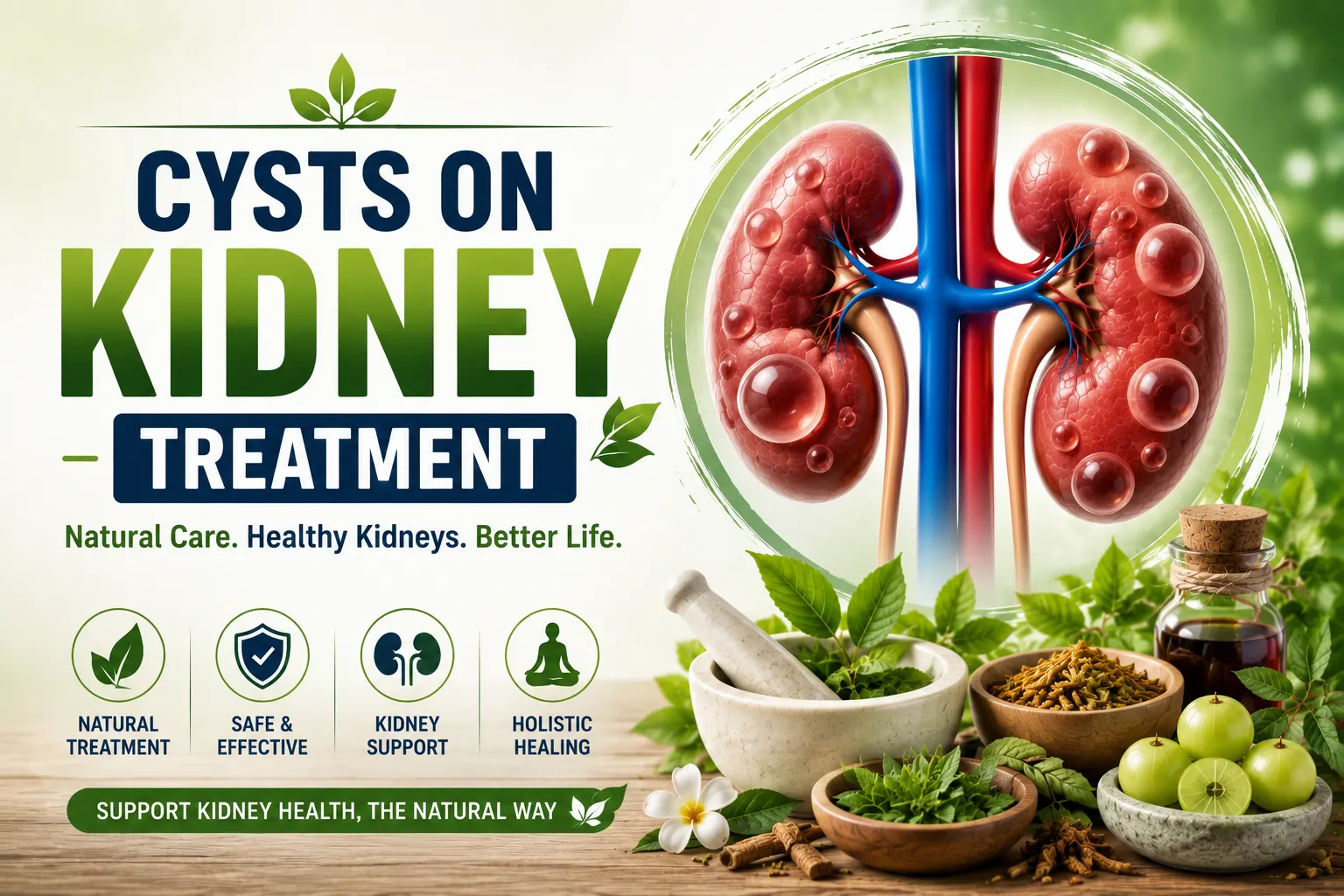
Finding out you have a fluid-filled sac sitting on your internal plumbing can be a bit of a shock, but don't panic: cysts on kidney treatment usually ranges from simple watchful waiting to minor, routine procedures depending on whether the cyst is a harmless loner or part of a bigger family. Think of a renal cyst as a tiny, uninvited water balloon inside your body; most of the time, it’s just chilling out, minding its own business, and causing absolutely zero trouble.
Let's dive into what these cysts actually are, why they show up, and how we handle them without losing our collective cool.
📞 Get a Kidney Health Consultation – Call Now!
First, a quick biology refresher (minus the boring textbook vibes). Your kidneys are your body's ultimate filtration system, working 24/7 to clear out waste. Sometimes, for reasons science is still politely arguing about, a small pouch forms on the nephrons (the tiny filtering units) and fills with fluid.
Simple Cysts: The introverts. They are single, smooth, thin-walled, and almost always benign. You probably wouldn't even know you had one unless you got an ultrasound for something entirely unrelated.
Complex Cysts or Polycystic Kidney Disease (PKD): The party animals. These are genetic, they bring friends, and they can crowd the kidney over time, requiring dedicated polycystic kidney treatment.
📞 Get a Kidney Health Consultation – Call Now!
If you're wondering what you did to deserve a kidney water balloon, the answer is likely: just getting older. According to a landmark study published in The American Journal of Kidney Diseases (the HALT-PKD study cohort analyses often highlight this), simple cysts become significantly more common as we age. In fact, about half of all people over the age of 50 have at least one. It’s basically the internal equivalent of getting gray hair or realizing you can no longer sleep on your neck wrong without injuring yourself.
Most simple cysts are completely silent. They don't make noise, they don't send texts, and they don't hurt. However, if that little water balloon decides to grow into a giant fitness ball, it can start pressing on neighboring organs.
A dull ache in your back or side (your flank, if we're being fancy).
Fever or chills (if the pesky thing gets infected).
Frequent trips to the bathroom.
Blood in your urine (which is always a great cue to call a doctor, cyst or no cyst).
📞 Get a Kidney Health Consultation – Call Now!
When it comes to kidney cyst treatment and management options, your doctor isn’t going to just pull out a scalpel on day one. The approach is highly tailored to how your kidney is feeling and behaving.
|
Type of Cyst |
Typical Strategy |
Human Translation |
|
Small & Simple |
Active Surveillance |
"Leave it alone, but stare at it once a year." |
|
Large & Painful |
Sclerotherapy |
"Drain the fluid, then glue the sac shut." |
|
Complex / Genetic |
Targeted Polycystic Kidney Treatment |
"Keep the kidneys happy, manage blood pressure, call in reinforcements." |
If a simple cyst is causing genuine pain or blocking urine flow, a kidney specialist (a nephrologist or urologist) might perform a quick outpatient procedure called sclerotherapy. They use a thin needle to drain the fluid and then inject an alcohol solution to scar the sac so it doesn't fill back up. Voila! No more water balloon.
📞 Get a Kidney Health Consultation – Call Now!
While you can't always prevent a cyst from popping up, you can absolutely control your overall kidney health. Loving your kidneys doesn't require a radical lifestyle overhaul; just some basic, common-sense habits.
Hydrate, but don't drown: Drink enough water so your pee looks like light lemonade, not a dark IPA beer.
Watch the salt shaker: High blood pressure puts extra stress on your kidney filters, making kidney care a lot harder.
Get regular checkups: If you know you have a cyst, your doctor can keep an eye on it with quick, painless ultrasounds.
Most kidney cysts are entirely harmless, simple fluid sacs that require zero intervention.
Aging is the primary reason simple cysts develop, affecting nearly half of the population over 50.
Active monitoring is the most common path for cysts on kidney treatment, meaning doctors just watch them over time.
If a cyst causes pain or blocks fluid, a quick, minimally invasive drainage procedure can fix it.
Maintaining low blood pressure and staying hydrated are the best things you can do for long-term kidney care.
📞 Get a Kidney Health Consultation – Call Now!
Simple kidney cysts are almost always benign and do not turn into cancer, though complex cysts require closer evaluation.
There is no proven natural remedy or diet that shrinks an existing kidney cyst, but a low-sodium diet protects overall kidney health.
You should only worry if you develop symptoms like severe back pain, blood in your urine, or signs of an infection like a fever.
Disclaimer: This article is for informational and educational purposes only and should not be taken as professional medical advice. Always consult with a qualified healthcare provider or kidney specialist regarding any medical condition, diagnosis, or treatment plan.