Jul 20 , 2026
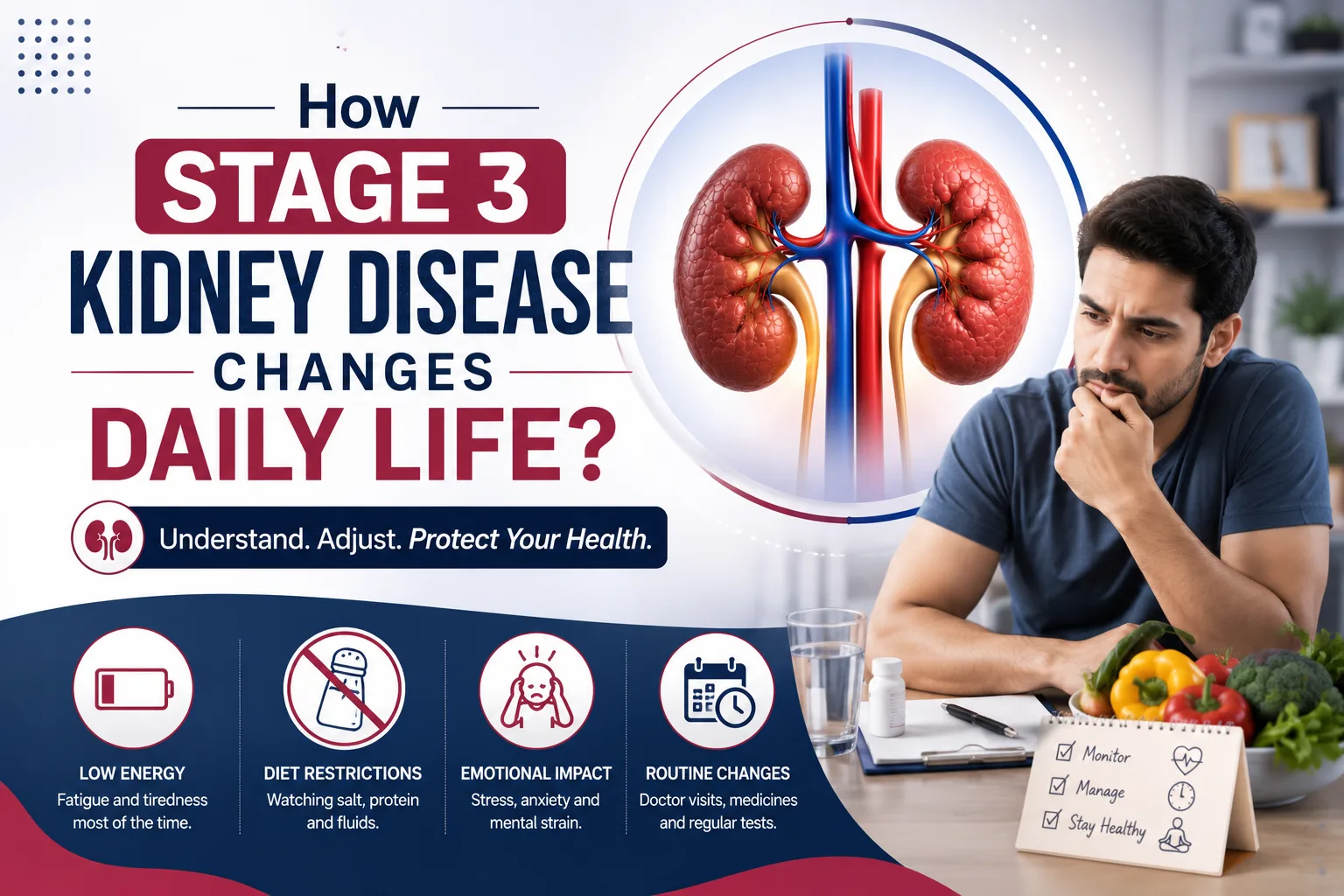
If you’ve recently been told you have Stage 3 kidney disease, life isn’t over, but your daily routine is definitely getting a bit of a software update. Managing stage 3 kidney disease daily life mostly means trading a few bad habits for better ones, keeping a closer eye on what hits your dinner plate, and making friends with a nephrologist (a kidney doctor) who will help you figure out the best stage 3 kidney disease treatment plan for your specific body.
Think of your kidneys as your body’s internal washing machines. They filter out waste, manage fluid, and keep your blood pressure from throwing a tantrum. In Stage 3, those washing machines are running on a gentler cycle; usually operating at 30% to 59% of their full capacity. Doctors actually split this stage into two halves: CKD stage 3a (mild to moderate decrease in function) and Stage 3b (moderate to severe decrease). It is a wake-up call, sure, but it is also the perfect time to step in and protect your remaining kidney function.
📞 Get a Kidney Health Consultation – Call Now!
Your daily relationship with food is usually the first thing that changes. Suddenly, sodium, potassium, and phosphorus become acronyms you actually have to care about.
A landmark study published in The American Journal of Clinical Nutrition (the Modification of Diet in Renal Disease Study) highlighted that tightly managing dietary protein and phosphorus can significantly slow down the progression of kidney damage. Here is a quick breakdown of how your plate might shift to offer the best kidney support:
The Salt Shaker Hibernation: Sodium makes your body hold onto fluid, which raises blood pressure and forces your kidneys to work overtime. You'll quickly become an expert at reading nutrition labels to spot hidden salt.
The Protein Compromise: While you still need protein to keep your muscles happy, eating massive amounts of red meat creates a lot of nitrogenous waste. Your kidneys have to scrub that waste out of your blood, so switching some meals to plant-based proteins or leaner meats gives them a breather.
The Fluid Balance: You aren’t quite at a stage where you need strict fluid restrictions, but chugging gallons of water "to flush the kidneys" is a myth that can actually strain them.
Let's look at how your daily menu items might compare before and after finding out about Stage 3:
|
The "Old Me" Menu |
The "Renal Health" Remix |
Why We Do It (The Kidney's Perspective) |
|
Double bacon cheeseburger with extra pickles. |
Grilled chicken or a bean burger with avocado. |
Red meat and pickles are basically a sodium and phosphorus bomb. |
|
Chugging sports drinks at the gym like a sponsorship deal. |
Plain water or a splash of lemon juice. |
Electrolyte drinks are loaded with potassium your kidneys might struggle to clear. |
|
Shaking salt onto food before you've even tasted it. |
Heavy use of garlic powder, smoked paprika, and lime. |
Flavor doesn't have to come from a salt mine; your blood pressure will thank you. |
📞 Get a Kidney Health Consultation – Call Now!
On a daily basis, being a kidney disease patient means paying attention to your energy. Because kidneys help produce erythropoietin (a hormone that tells your body to make red blood cells), a drop in kidney function can sometimes lead to mild anemia. If you find yourself yawning at 2:00 PM more than usual, it’s not just boredom; it’s your body asking for a bit of rest.
Your daily routine will also involve managing medications. An effective stage 3 kidney disease treatment plan isn't a single magic pill; it’s a combination of lifestyle changes and blood pressure medications like ACE inhibitors or ARBs. According to a study published in The Lancet (the REAAL study), these specific medications do a fantastic job of protecting renal health by lowering the pressure inside the kidney's filtering units.
A Quick Warning: Your days of blindly swallowing over-the-counter NSAID painkillers like ibuprofen or naproxen for a headache are officially over. These drugs constrict blood flow to the kidneys, which is the last thing you want right now. Stick to acetaminophen, or better yet, ask your doctor first.
Staying active is a massive part of daily CKD treatment. You don’t need to train for a triathlon, but regular walks, cycling, or swimming keep your blood vessels flexible and your blood sugar stable. Since diabetes and high blood pressure are the two main culprits behind kidney issues, keeping them managed keeps your kidneys safe.
Stage 3 is actionable: It’s a middle ground where lifestyle changes make a massive difference in preventing further damage.
Label reading is your new hobby: Cutting down on sodium and processed foods keeps your blood pressure in a safe zone.
Ditch the NSAIDs: Swap out ibuprofen for kidney-safe alternatives under your doctor’s guidance.
Teamwork makes the dream work: Regular check-ins with your healthcare team ensure your stage 3 kidney disease treatment stays on track.
📞 Get a Kidney Health Consultation – Call Now!
While you can't undo existing physical scarring in the kidneys, you can absolutely stabilize Stage 3 and keep it from getting any worse for decades.
Many people have zero symptoms at this stage, though some notice mild fatigue, swollen ankles, or changes in how often they need to pee.
Yes, a cup or two of coffee is generally perfectly fine, just watch out for high-potassium creamers or excessive sugar.
Most people see their nephrologist or primary care doctor every three to six months for simple blood and urine checks.
Walking is fantastic because it helps control blood pressure and blood sugar without putting excessive physical stress on your body.
Living with Stage 3 kidney disease is all about mindfulness, not misery. By making smart adjustments to your diet, staying on top of your medications, and keeping up with your doctor appointments, you can protect your kidneys and live a perfectly normal, vibrant life.
This article is for informational and educational purposes only and should not be taken as professional medical advice. Always consult with a qualified healthcare provider or nephrologist to create a personalized medical treatment and dietary plan tailored to your specific health needs.