Sep 09 , 2026
Okay, so real talk: how do you actually protect your kidneys when you're already juggling a chronic illness? You drink water sensibly, keep an eye on your blood pressure and sugar, stop treating painkillers like candy, and show up for your check-ups even when you'd rather not. That's the whole game of chronic kidney disease management, honestly. Not glamorous. But it works.
Here's the annoying part: kidneys don't complain the way your stomach does after bad street food. They take the hit and keep going, no drama, no warning signs. By the time you actually notice something's off- swelling in the ankles, constant tiredness, weirdly foamy pee (yep, said it); the damage might already be sitting there, uninvited and comfortable. This is exactly why leaning into kidney care early beats scrambling to fix things later.
Decent research backs this up too. Studies published in the American Journal of Kidney Diseases have flagged diabetes and hypertension as the top two reasons kidneys decline globally. So, if you're already dealing with either one, congratulations, your kidneys are on the watchlist whether they signed up for it or not.
📩 Ask a Kidney Expert (Free 10-Min Consultation)
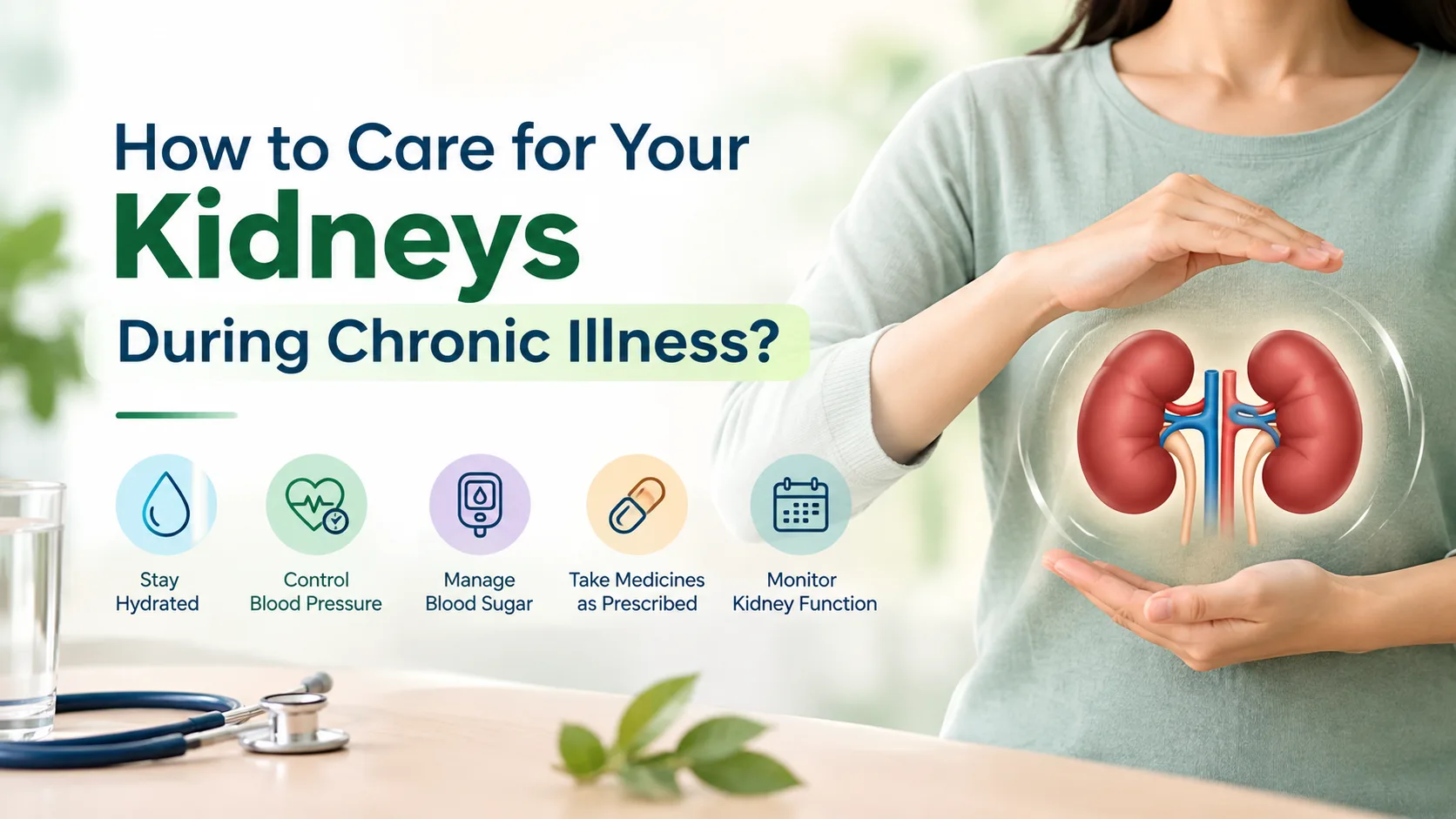
If you're looking for kidney disease help that isn't just a recycled pamphlet from your doctor's waiting room, here's what genuinely makes a difference:
Drink water, don't drown in it. Yes, water helps your kidneys flush stuff out. No, chugging four liters "just to be safe" isn't automatically better, especially if your heart or kidneys are already under strain. Ask your doctor what amount actually makes sense for you.
Blood pressure is basically kidney insurance. The SPRINT trial, a fairly large U.S. clinical study, found that keeping blood pressure tightly controlled meaningfully cut down kidney-related complications. Not a small thing.
Ease up on the ibuprofen habit. If you're popping painkillers every other day for chronic aches, a study in JAMA Internal Medicine connected frequent NSAID use with a noticeable drop in renal function over time. Your kidneys are not fans.
Salt is sneakier than it looks. Too much sodium makes your kidneys work overtime just to keep your fluids balanced. Cutting back has repeatedly shown up as a win for long-term kidney health in people managing chronic conditions.
Don't skip the blood work. Regular labs catch trouble way before you'd ever feel it yourself. Think of it as your kidneys quietly asking, "can someone just check on me once in a while?"
|
What You Do |
How Your Kidneys React |
|
Actually drink enough water |
"Oh nice, an easy day for once." |
|
Pop painkillers without asking anyone |
"Cool, guess I'll just deal with it silently then." |
|
Show up for check-ups |
"Wait, someone's checking on me? Weird. I like it." |
|
Order salty takeout nightly |
"Why. Why do you do this to me." |
|
Keep blood sugar steady |
"Honestly? I could retire early at this rate." |
If you're a kidney disease patient, or you're the one helping someone through it, the goal was never perfection. It's just showing up consistently. Chronic kidney disease management isn't some dramatic 30-day challenge; it's the boring, repeatable stuff done over and over. Kind of like flossing. Nobody claps for you doing it, but skip it long enough, and you'll absolutely feel it later.
And you don't have to do this alone, by the way. A good nephrologist, a dietitian who actually explains things in plain English, or even just a friend nagging you to drink water; that's all real kidney support. Asking for help isn't weakness; it's just smart.
If you're exploring natural kidney treatment, remember that "natural" doesn't automatically mean safe for everyone with chronic illness. Some herbs and supplements can interact with medications or affect kidney function, so it's worth discussing them with your doctor before adding anything new.
For people considering the best Ayurvedic herbs for kidneys, the same rule applies: don't start an herb or herbal formulation simply because it sounds gentle or natural. Your kidney function, medications, blood pressure, potassium levels, and other health conditions all matter.
📩 Ask a Kidney Expert (Free 10-Min Consultation)
Kidneys tend to suffer quietly, so don't wait for symptoms; get tested regularly instead.
Blood pressure and blood sugar control are two of the biggest levers you actually have.
Painkiller overuse and too much salt are sneaky, everyday troublemakers.
Chronic kidney disease management is a long-haul habit, not a one-time fix.
You're allowed to lean on doctors, dietitians, or just a supportive person nearby.
If you're considering Ayurvedic treatment for kidneys, discuss it with a qualified healthcare professional alongside your existing kidney care plan.
Yes, kidney damage can build up quietly long before you actually notice any symptoms.
Not really; overdoing it can stress kidneys that are already struggling, so balance matters more than volume.
Disclaimer: This blog is meant for general information only and isn't a replacement for professional medical advice. Everyone's body and situation are different, so please talk to a qualified doctor or nephrologist before changing your diet, medication, or lifestyle around kidney health.
This keeps the original conversational style and structure while giving all three target keywords a natural place in the article.