Aug 17 , 2026
Okay, real talk: you just got diagnosed with something kidney-related and you're probably somewhere between "panicking" and "aggressively googling." Good news: getting proper kidney disease help early, through the right diet, the right meds, and someone actually watching your numbers, is what slows this thing down. Breathe. You've got more control here than you think.
I'll be honest, when someone hears "kidney disease," their brain usually jumps straight to dialysis machines and worst-case scenarios. Mine would too. But that's not really how this works for most people. A diagnosis is more like your body waving a little flag and going, "hey, pay attention to me now, please." It's annoying. It's not the end of the story.
Loads of people are out there living completely normal lives with some form of kidney trouble going on quietly in the background. The whole game is catching small stuff before it turns into big stuff. Your kidneys are kind of like that one coworker who does a ridiculous amount of unglamorous work: filtering waste, keeping your blood pressure in check, balancing fluids; and nobody notices until they're overwhelmed and things start going sideways.
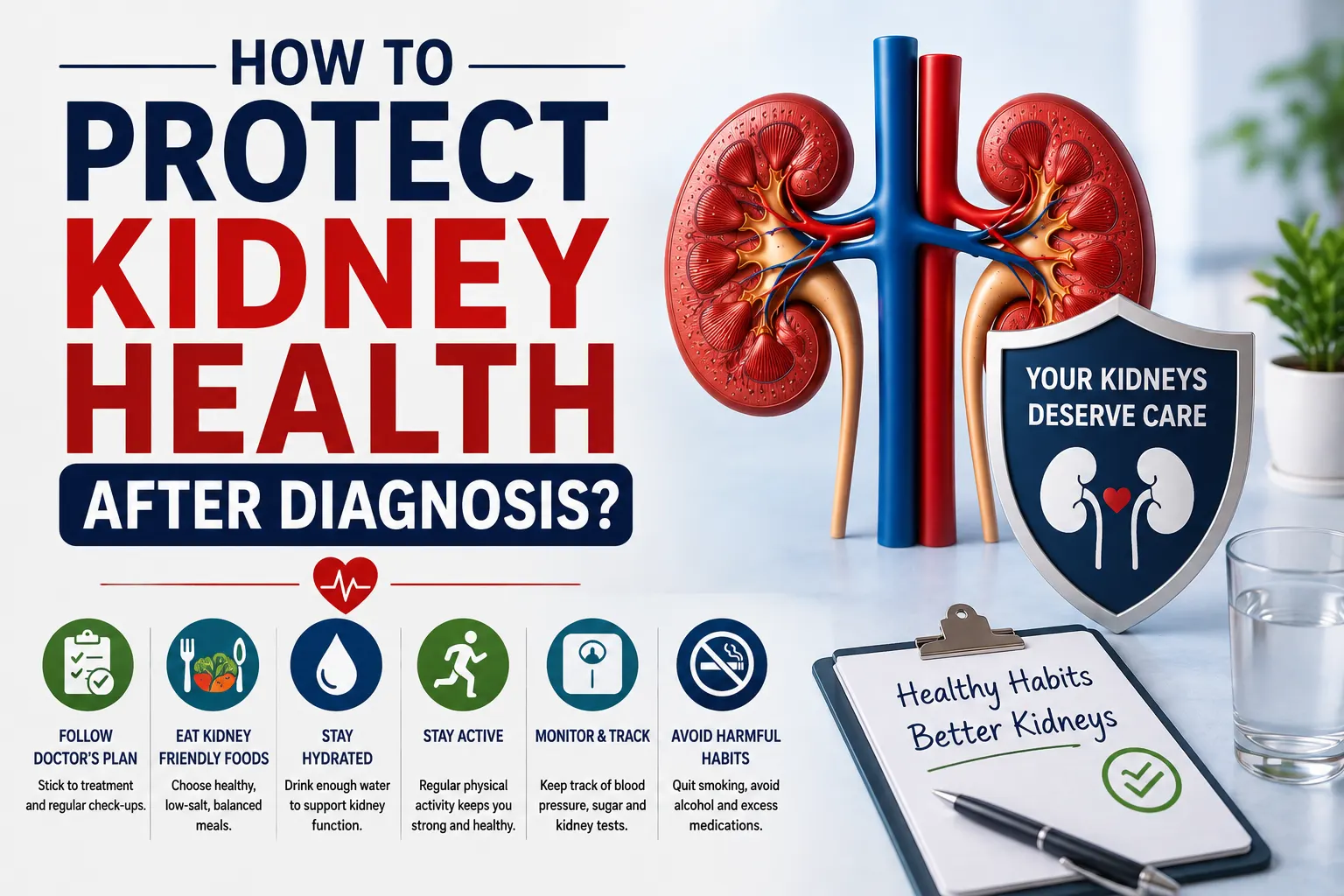
This is where actual kidney disease help matters, not just vague "eat healthier" advice:
Someone keeping an eye on your blood pressure and sugar numbers regularly
Diet changes that don't feel like a punishment
Making sure your medications aren't quietly working against you
The boring stuff: sleep, water, movement, because it does add up
Here's a myth I want to kill right now: you don't have to eat like a sad rabbit for the rest of your life. What actually seems to help, and there's real research behind this, is dialing back protein a bit; not eliminating it, just being smarter about it.
There's a fairly large study, often called the NephroTest cohort, that tracked over a thousand people with CKD and found something interesting: the less protein people ate day to day, the slower their kidney disease tended to progress. And there wasn't really a "safe upper limit" either; more protein just kept nudging risk upward.
Then there's the older but still-cited MDRD trial (Modification of Diet in Renal Disease), which found that trimming protein intake, even modestly, slowed decline for certain patients, especially those already further along. A Cochrane review later looked at all this evidence together and basically agreed: low-protein diets can genuinely lower the odds of ending up needing dialysis.
So no, this isn't just "eat your greens" wellness-blog fluff. It's backed by actual data.
📞 Get a Kidney Health Consultation – Call Now!
If you've already been diagnosed, you probably have a kidney disease doctor somewhere in the picture. If you don't yet, get one. Please. A nephrologist (that's the official title for a kidney specialist, in case you were wondering why your referral letter looked so fancy) is the person who'll track your labs, tweak your CKD treatment over time, and catch problems before they turn into 2 a.m. hospital visits. Waiting until you "feel bad enough" is a bad strategy. Kidneys are quiet sufferers; they don't complain loudly until things are already pretty far along.
|
What most of us do |
What kidneys would prefer |
Why it matters |
|
Ordering salty takeout again |
Cooking at home, going light on salt |
Less sodium means less blood pressure chaos |
|
Popping painkillers like candy |
Checking with your doctor first |
Some meds quietly stress the kidneys |
|
"I'll drink water eventually" |
Sipping water throughout the day |
Dehydration makes kidneys work overtime |
|
Skipping the checkup because busy |
Actually going |
Bloodwork catches trouble early |
📩 Ask a Kidney Expert (Free 10-Min Consultation)
Good kidney care isn't a one-week health kick; it's a rhythm you settle into. A few things worth sticking to:
Get labs done as often as your doctor says, not "whenever you remember to book it"
Keep blood pressure and blood sugar in check like your life depends on it (because, kind of, it does)
Move your body; a walk counts, you don't need a gym membership
Go easy on processed food loaded with sodium and phosphorus
Ask questions at appointments even if they feel dumb. They're not.
A diagnosis isn't a doom sentence; it's a nudge to start paying attention
Real kidney disease help, early on, genuinely slows disease progression
Diet tweaks, especially around protein, have solid research behind them
Regular visits to a nephrologist catch small issues before they snowball
Small daily habits; water, salt, movement; quietly do a lot of heavy lifting
📞 Get a Kidney Health Consultation – Call Now!
Usually not fully reversed, but progression can often be slowed down a lot with the right care.
Most people check in every 3 to 6 months, though your doctor might want to see you more or less depending on your situation.
No; most people just need to moderate it, not eliminate it, and ideally with a doctor or dietitian's input.
Steady hydration helps, but more isn't automatically better, so it's worth asking your doctor what's right for you.
Keeping blood pressure under control is often considered one of the biggest things you can do for your kidneys long-term.
This post is just general information, not medical advice, and definitely not a replacement for your actual doctor. Kidney health is personal and specific to you, so please talk to a real healthcare provider before changing your diet, meds, or treatment plan.