Jul 08 , 2026
Feeling puffier than usual, tired all the time, or noticing your pee looks a little... off? Those could be an early sign of kidney disease, and no, it's not just "getting older" or "too much salt at dinner." Your kidneys are quiet workers; they rarely complain until things get serious. So let's talk about what they're trying to tell you before they start shouting.
📞 Get a Kidney Health Consultation – Call Now!
Think of your kidneys as the world's most underpaid janitors. They filter about 50 gallons of blood a day, kick out waste, balance your fluids, and somehow never ask for a raise or a day off. When something goes wrong, they don't send you a strongly worded email; they just quietly start slacking, and by the time you notice, they've been struggling for a while.
That's why catching a sign of kidney disease early matters so much. According to the National Kidney Foundation, nearly 1 in 7 adults in the U.S. has some form of kidney disease, and most of them don't even know it. A CDC surveillance report on chronic kidney disease found that awareness rates are shockingly low; many people only find out during a routine blood test for something completely unrelated.
Here's where it gets interesting. Kidney issues don't usually announce themselves with fireworks. They tiptoe in, and most people brush them off as "just stress" or "getting older."
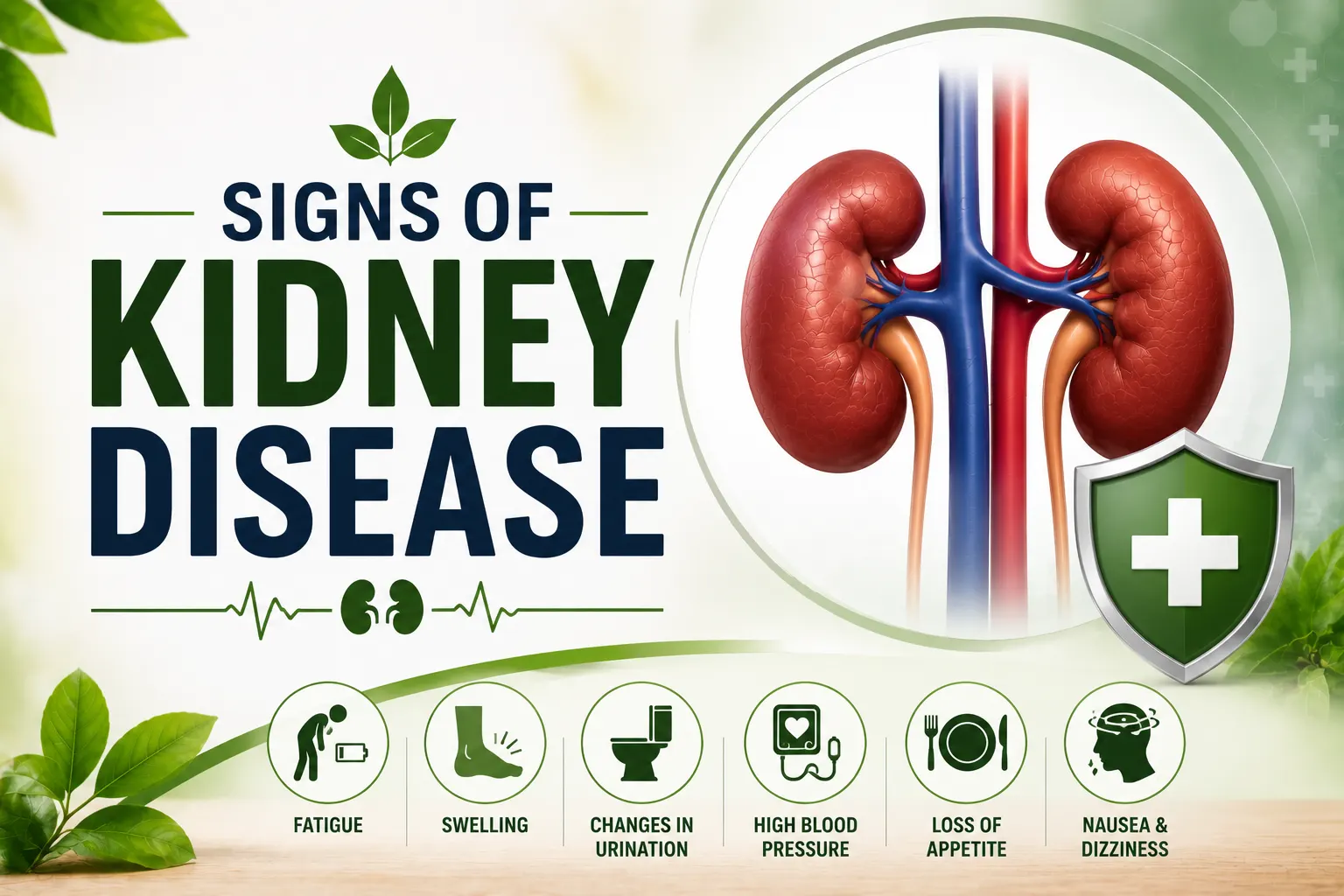
Feeling wiped out even after a full night's sleep (hello, fatigue)
Unexplained swelling in your ankles, feet, or around your eyes
Needing to pee more often, especially at night
Foamy or bubbly urine (this one freaks people out, and honestly, it should get your attention)
Trouble concentrating, like your brain is running on 2% battery
Loss of appetite or a weird metallic taste in your mouth
If more than one of these sounds familiar, it might be worth mentioning to your doctor instead of Googling it at 1 a.m.
One of the biggest tells doctors watch for is protein in your urine. Normally, your kidneys keep protein in your blood where it belongs. When the filtering units get damaged, protein starts leaking through, like a coffee filter with a tear in it; technically still working, but definitely not doing its job right. A study published in the American Journal of Kidney Diseases has repeatedly linked persistent protein leakage to early kidney damage, even before other symptoms show up. This is exactly why a simple urine test can catch trouble years before you'd ever feel it.
📞 Get a Kidney Health Consultation – Call Now!
The early signs of kidney disease in adults often get mistaken for regular fatigue, aging, or "just a rough week." But research from Johns Hopkins Medicine points out that risk climbs significantly after 40, especially if you're dealing with high blood pressure, diabetes, or a family history of kidney problems. Your renal health doesn't suddenly decline overnight; it's usually a slow fade that picks up speed if ignored.
|
Feeling |
Regular Tired |
Kidney-Related Tired |
|
After a nap |
Feels better |
Still feels like a zombie |
|
Cause |
Bad sleep, stress |
Toxin buildup in blood |
|
Other clues |
None |
Swelling, foamy pee, itching |
|
Fixed by coffee |
Usually yes |
Nice try, but no |
If your tiredness laughs in the face of caffeine and naps, it's time to get checked.
Being diagnosed doesn't mean life stops; it means it adjusts. A kidney disease patient can manage the condition well with early detection, medication, dietary changes, and regular monitoring. Many people go years, even decades, with stable kidney function once they catch things early and stick to their care plan. The scary part isn't the diagnosis; it's finding out too late.
A sign of kidney disease can be subtle: fatigue, swelling, or changes in urination
Protein in your urine is one of the earliest detectable warning signs
Swelling in the legs, ankles, or face often signals fluid retention from reduced kidney function
Fatigue that doesn't improve with rest deserves medical attention
Adults over 40 with diabetes or high blood pressure face higher risk
Routine blood and urine tests protect your renal health far better than guesswork
📞 Get a Kidney Health Consultation – Call Now!
Persistent fatigue and swelling in the feet or ankles are usually among the first things people notice.
Most people have hope because it is possible to slow the progression of early-stage damage.
Not necessarily. It is important, however, to inform your doctor as frequent foamy urine can be a sign of protein in your urine.
Adults getting kidney tests done on a yearly basis is a good idea, particularly in the case of diabetes, high blood pressure, or having a family member with kidney problems.
Fatigue itself is not sufficient to diagnose kidney disease. However, if it is combined with other symptoms like changes in urination or swelling in the feet, it is a good idea to see a doctor.
Disclaimer: This blog is for general informational purposes only and isn't a substitute for professional medical advice, diagnosis, or treatment. Always consult a qualified healthcare provider regarding any symptoms or health concerns you may have.