Sep 25 , 2026
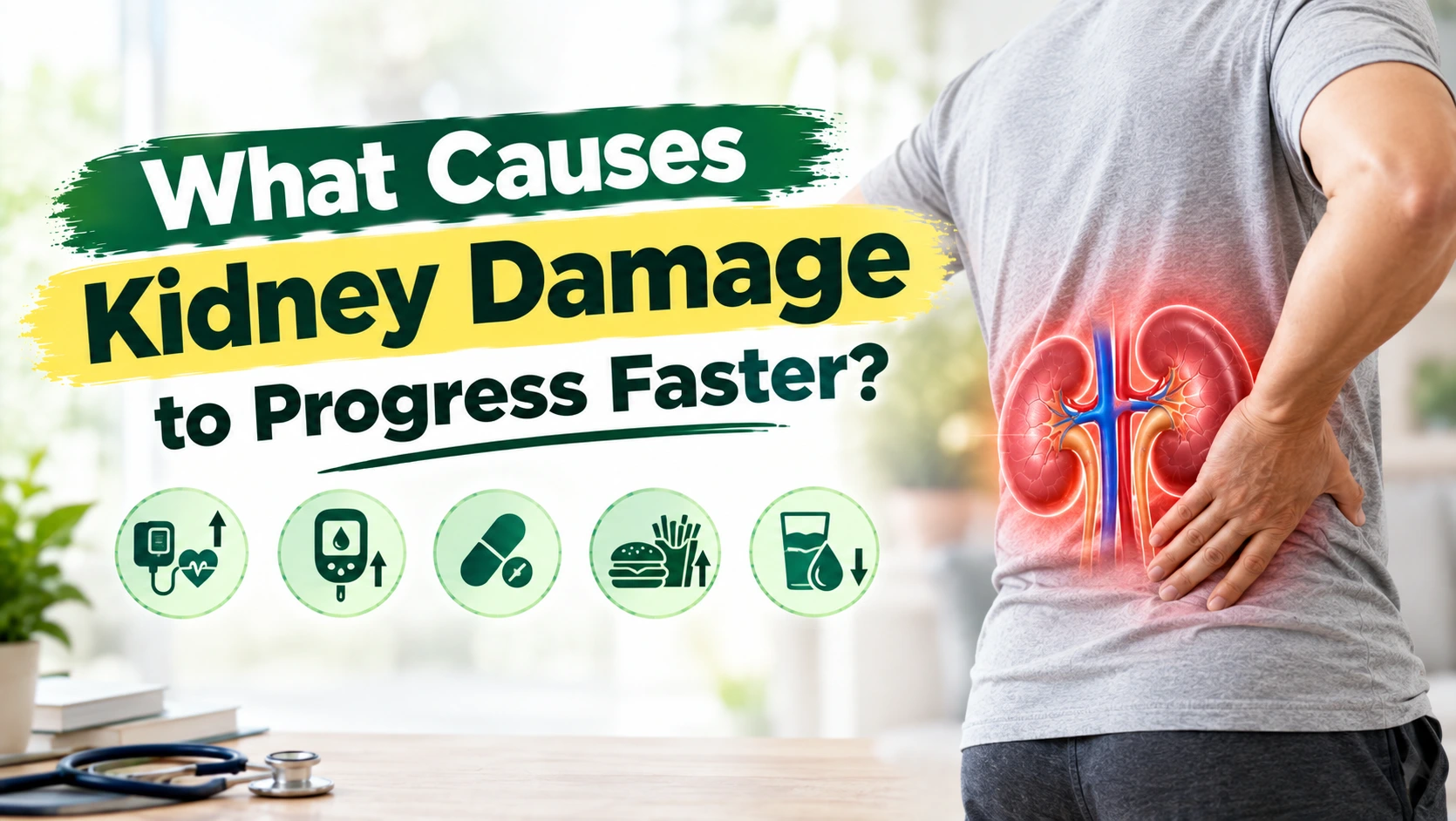
Your kidneys don't just wake up one day and decide to quit; chronic kidney disease speeds up mainly because of high blood pressure, uncontrolled blood sugar, protein leaking into urine, smoking, obesity, and skipping regular checkups. That's the short answer. Now let's talk about why your kidneys are basically the most patient, hardworking, and criminally under-appreciated organs in your body, and why they eventually get tired of being ignored.
Think of your kidneys like that one friend who never complains. They filter about 50 gallons of blood a day, quietly. No thanks, no birthday card, nothing. And because they suffer in silence, most people don't notice anything's wrong until function has already dropped significantly. That's the sneaky part of chronic kidney disease; it doesn't yell, it whispers, and by the time you hear it, it's already been talking for years.
So what turns a slow, boring decline into a fast, scary one? Let's break it down.
According to a detailed clinical review on CKD progression, the biggest accelerators are proteinuria (protein in urine), high blood pressure, uncontrolled diabetes, and, no surprise, smoking (StatPearls, NCBI Bookshelf review on Chronic Kidney Disease). Basically, if your kidneys had a group chat, these four would be the ones constantly causing drama.
Here's a quick, non-boring breakdown of the faster kidney damage causes doctors keep flagging:
A massive population study out of Okinawa, Japan, tracking more than 107,000 people over a decade, found that proteinuria was the single strongest predictor of kidney failure risk in the general population (mass screening study referenced in a CKD progression review, NCBI PMC). Translation: if your urine test shows protein, your kidneys are basically raising a little red flag and waving it around.
For people exploring natural kidney treatment, it's important to remember that “natural” does not automatically mean safe or suitable for every stage of kidney disease. Any approach should be considered alongside proper testing, diagnosis, and medical guidance.
Here's the part that feels almost unfair: these risk factors don't just add up; they multiply each other's damage. A kidney disease patient with both high blood pressure and diabetes doesn't have double the risk; it's more like a chaotic group project where everyone's making the deadline worse.
The Salford Kidney Study followed CKD patients over several years and found that people with declining kidney function often had a mix of factors working together: higher cholesterol ratios, lower hemoglobin, and heavier protein leakage; and this combination was linked to much faster decline and higher risk of complications (Salford Kidney Study, published research on rapid CKD progression predictors, PMC). So yes, kidney damage loves company.
📩 Ask a Kidney Expert (Free 10-Min Consultation)
|
Risk Factor |
How Sneaky It Is |
How Much It Speeds Up Damage |
|
High Blood Pressure |
Medium; you might get headaches |
High |
|
Diabetes |
Sneaky; silent for years |
Very High |
|
Proteinuria |
Very sneaky; no symptoms early on |
Very High |
|
Smoking |
Not sneaky at all; it's obvious |
Moderate-High |
|
Obesity |
Kind of sneaky, kind of obvious |
Moderate |
|
Skipping checkups |
The sneakiest of them all |
Depends entirely on you |
Here's the thing about renal function: it doesn't decline in a straight, predictable line for everyone. Some people cruise along slowly for a decade. Others hit what doctors call rapid CKD progression, where function drops fast enough to require serious intervention within a year or two. The scary part? Age, gender, and genetics can influence which category someone falls into, but lifestyle factors remain the biggest levers people can actually control.
This is exactly why kidney care isn't just something you do after a diagnosis; it's something you do before one, especially if you have diabetes, high blood pressure, or a family history of kidney issues. Regular blood and urine tests can catch trouble years before symptoms show up, giving you time to slow things down instead of scrambling to catch up.
If you're considering the best Ayurvedic herbs for kidneys, don't start them simply because they're described as natural. Some herbs and supplements can interact with medicines or may not be appropriate when kidney function is reduced. It's worth discussing them with a qualified healthcare professional first.
Kidneys are quiet, loyal, and endlessly patient; right up until they're not. The good news is that most of the factors that speed up damage are things you can actually influence: blood pressure, blood sugar, weight, smoking, and regular screening. None of this requires perfection, just consistency.
A: Uncontrolled blood pressure combined with unmanaged diabetes is usually the fastest route to serious kidney decline.
A: Kidney damage generally can't be reversed, but its progression can often be slowed significantly with the right care.
A: Not always instantly, but persistent protein in urine is one of the strongest warning signs doctors watch closely.
A: Most doctors recommend at least once a year, or more often if you have diabetes or high blood pressure.
A: No, early kidney damage is usually silent, which is exactly why regular testing matters so much.
Disclaimer
This blog is for general informational purposes only and isn't a substitute for professional medical advice, diagnosis, or treatment. Always consult a qualified healthcare provider regarding any questions about kidney health, symptoms, or treatment decisions specific to your situation.
One more point: if you're exploring Ayurvedic treatment for kidneys, keep appropriate kidney-function testing and medical follow-up as part of the process rather than treating them as alternatives.