Jul 24 , 2026
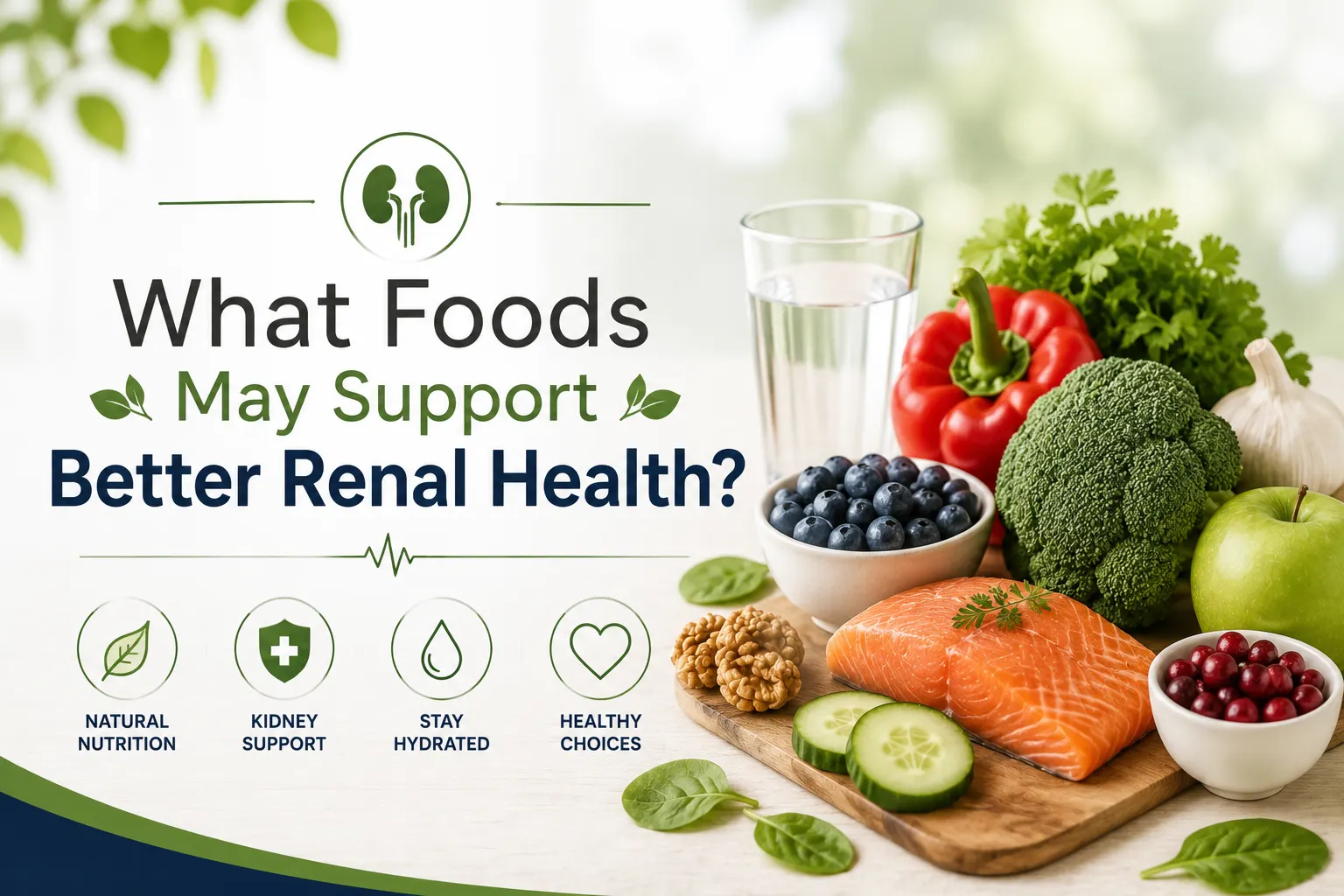
Short answer: your kidneys love low-sodium, low-potassium-when-needed, low-phosphorus foods like cauliflower, berries, garlic, and olive oil more than they'll ever love a bag of chips. Every kidney disease patient is different, but a handful of foods show up again and again in research as the ones that make kidneys do a happy little dance instead of an overtime shift.
Now, before you picture your kidneys literally dancing (please don't, that's a weird image), let's talk about why food matters so much here. Your kidneys are basically the world's most underappreciated filtration plant. They work 24/7, don't ask for a raise, and only complain when things get really bad; which, annoyingly, is often too late. So instead of waiting for them to file a formal complaint, it helps to feed them well in advance.
📞 Get a Kidney Health Consultation – Call Now!
Kidneys filter waste, balance minerals, and manage fluid levels. When they're under strain; from diabetes, high blood pressure, or plain old genetics, certain nutrients start piling up like unpaid parking tickets. Too much sodium, potassium, or phosphorus, and the kidneys have to work overtime to clear it out.
This is where kidney-friendly foods come in. They're not magic, they won't reverse existing damage, but they can meaningfully ease the load. A well-known example: the MDRD (Modification of Diet in Renal Disease) study found that people eating a lower-protein, lower-phosphorus diet had measurably reduced phosphorus buildup compared to those on a standard diet. Translation; less protein and phosphorus on the plate can mean less pressure on the plumbing.
Another study, this one by Barsotti and colleagues, found that a combined low-protein/low-phosphorus diet actually slowed the decline in kidney function and improved related hormone imbalances. So no, this isn't just wellness-blog wishful thinking; there's real science backing it up.
Here's a quick list of foods that regularly show up as kidney-supportive stars:
Cauliflower – Low in potassium and phosphorus, high in vitamin C, and weirdly good at pretending to be rice or pizza crust.
Red bell peppers – Packed with antioxidants, low in potassium, and they make everything look Instagram-ready.
Garlic – Adds flavor without needing salt, which is basically a magic trick for anyone managing sodium intake.
Blueberries and other berries – High in antioxidants, relatively low in potassium compared to bananas (RIP banana smoothies).
Olive oil – A heart-healthy fat that doesn't come with the phosphorus baggage of processed oils.
Egg whites – High-quality protein without the phosphorus that comes packed into the yolk.
Cabbage – Crunchy, cheap, and low in potassium; basically the reliable friend of the vegetable aisle.
📞 Get a Kidney Health Consultation – Call Now!
Because nothing says "read this part carefully" like a table:
|
Food |
Kidneys' Verdict |
Why |
|
Banana |
"Please stop" |
Very high in potassium |
|
Cauliflower |
"Yes, more please" |
Low potassium, low phosphorus |
|
Processed deli meat |
"Absolutely not" |
Loaded with sodium and additives |
|
Garlic + herbs |
"Finally, flavor without drama" |
Salt-free seasoning win |
|
Cola / dark soda |
"We need a moment" |
Hidden phosphorus additives |
|
Berries |
"We approve this snack" |
Antioxidants, moderate potassium |
A diet for kidney support doesn't mean living on steamed cauliflower for the rest of your life. It means being intentional:
Choose fresh ingredients over packaged or processed ones (additives are sneaky phosphorus smugglers).
Cook at home more often, since restaurant food tends to be a sodium festival.
Read labels; "low sodium" and "no salt added" are not the same thing, and yes, that's annoying.
Talk to a renal dietitian before making major changes, especially around protein and potassium.
This ties directly into chronic kidney disease management, where small, consistent dietary tweaks often matter more than one dramatic overhaul. The ERIKA study on very low protein diets found that even modest protein reductions improved markers like blood urea nitrogen and metabolic acidosis, without harming nutritional status. Slow and steady really does win this particular race.
📞 Get a Kidney Health Consultation – Call Now!
Good renal health isn't just about avoiding a dialysis machine someday (though, fair, that's a solid motivator). It's about maintaining energy, managing blood pressure, keeping bones strong, and generally not feeling like a walking science experiment. Food is one of the few levers a person can pull every single day, multiple times a day, without needing a prescription.
For any kidney disease patient, working closely with a nephrologist or renal dietitian remains essential; this blog is food for thought, not a treatment plan (pun very much intended). But knowing which foods tend to help versus hurt is a solid first step toward better kidney care.
Low-sodium, low-phosphorus, and moderate-potassium foods are generally kinder to the kidneys.
Cauliflower, berries, garlic, red peppers, and olive oil are commonly recommended kidney-supportive choices.
Processed foods, dark sodas, and high-potassium fruits like bananas often need portion control.
Studies like MDRD and the Barsotti trial show real, measurable benefits from lower-protein, lower-phosphorus diets.
Every kidney disease patient has different needs; always personalize with a professional's guidance.
📞 Get a Kidney Health Consultation – Call Now!
Not at all; many fruits like berries and apples are lower in potassium and generally considered kidney-friendly in moderation.
Because kidneys struggle to clear excess phosphorus, and buildup over time can weaken bones and stress the heart.
Disclaimer: This blog is for general informational purposes only and is not medical or nutritional advice. Kidney disease management varies by individual and disease stage. Please consult a nephrologist or registered renal dietitian before making dietary changes.