Aug 11 , 2026
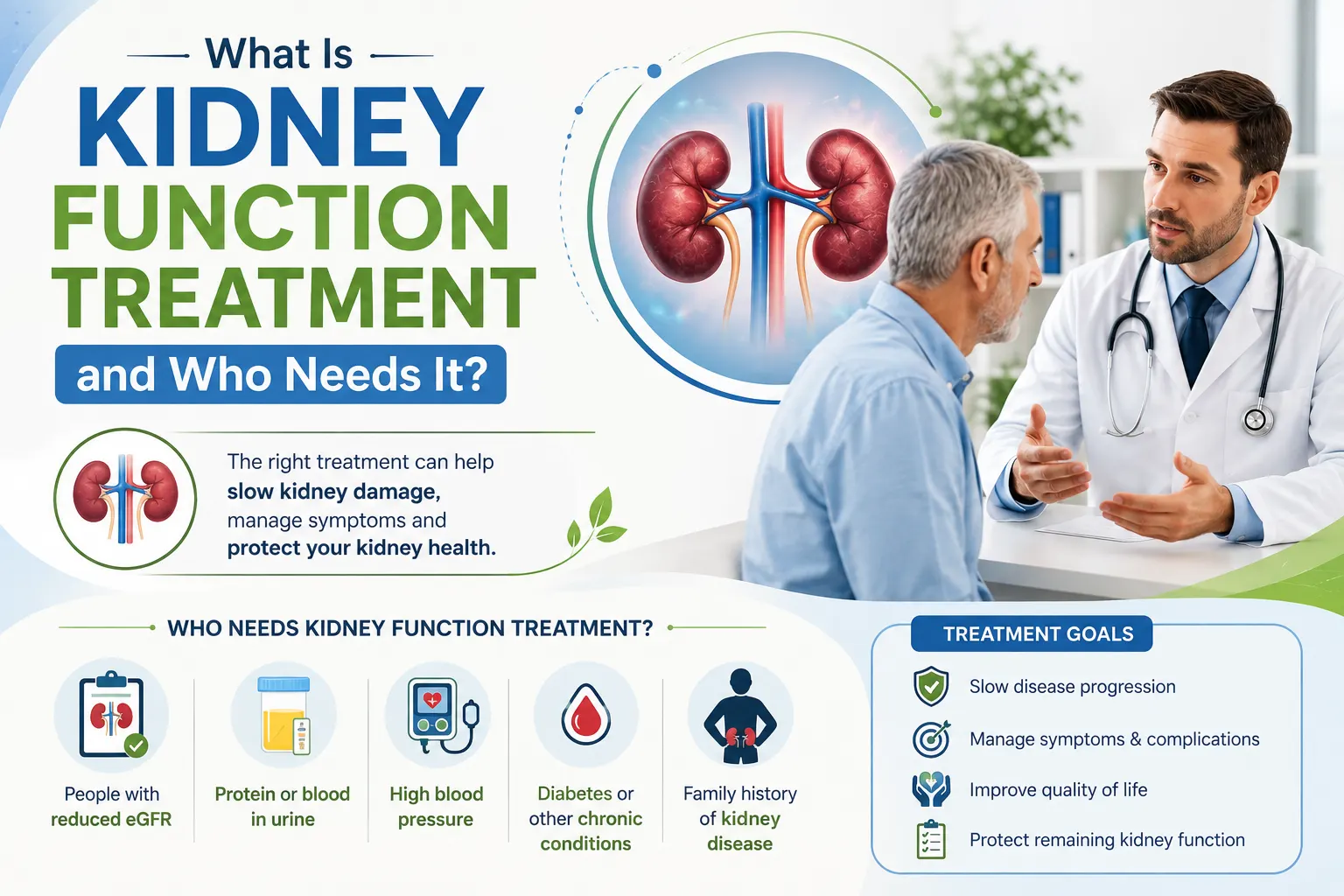
Kidney function treatment is an umbrella term for the medical strategies, lifestyle tweaks, and therapies used to keep your kidneys filtering waste when they start slowing down. Anyone whose kidneys are struggling to clear toxins from the blood, usually due to long-term conditions like diabetes or high blood pressure, needs this targeted care to prevent serious health complications.
Your kidneys do a lot more than just create urine. They manage your blood pressure, keep your bones strong by activating Vitamin D, and signal your body to make red blood cells. When your renal function starts to dip, it’s rarely a dramatic, cinematic event. In fact, chronic kidney disease is often called a "silent disease" because your kidneys are overachievers; they will keep working quietly until they lose up to 80% of their filtering capacity.
Medical professionals measure how well these organs are doing by checking your Estimated Glomerular Filtration Rate (eGFR). Think of eGFR as a performance review score for your kidneys. A score above 90 means your internal filters deserve a promotion. If the score slides down, it’s a sign that your body requires focused kidney care to keep things running smoothly.
📞 Get a Kidney Health Consultation – Call Now!
It is a common misconception that only people on the verge of total organ failure need medical intervention. So, who needs kidney function treatment exactly? The short answer is: anyone experiencing a persistent decline in their filtration capacity, or those handling chronic health conditions that put their kidneys in the line of fire.
The primary culprits behind kidney damage include:
Diabetes
High Blood Pressure
Autoimmune conditions like lupus or glomerulonephritis
Managing your kidney issues is not something you can apply the same method to. The method for managing your kidney issues depends on how far your kidney disease has progressed. The next section outlines the basic methods of improving kidney function.
In the first stages of kidney disease, the aim is pretty simple: to buy time. Doctors prescribe medications like ACE inhibitors and ARBs to reduce blood pressure and relieve pressure on the kidneys. Innovative drugs like mineralocorticoid receptor antagonists are a true revolution. The large-scale INFINITY research (published in The Lancet in 2026) demonstrated that new-age treatments cut by 24% the risk of worsening kidney pathology and cardiovascular complications.
If the filters slow down to a crawl (Stage 5), lifestyle adjustments alone won't cut it. At this stage, you need advanced kidney disease help, which means turning to dialysis or an organ transplant. Dialysis takes over the filtering job mechanically, while a transplant swaps out the tired organ for a healthy donor bean.
|
Strategy Stage |
Main Objective |
What it actually looks like |
The Vibe |
|
Early Protection |
Slow down damage & preserve cells |
Medication, diet tweaks, keeping blood pressure stable |
Preventive maintenance (like an oil change) |
|
Advanced Management |
Replace lost filtration entirely |
Hemodialysis, peritoneal dialysis, or a transplant |
Full engine replacement |
📞 Get a Kidney Health Consultation – Call Now!
If you want to support your renal health naturally, your daily habits matter immensely. The LANDMARK III clinical trial demonstrated that long-term, multidisciplinary lifestyle interventions, focusing on structured exercise and targeted nutrition, successfully preserved physical function and helped stabilize blood pressure in individuals with moderate chronic kidney disease over three years.
Watch the Salt: Excess sodium forces your body to hold onto water, driving up blood pressure.
Stay Hydrated, But Don't Overdo It: Drinking water helps your kidneys clear sodium and toxins, but chugging gallons won't give you superhuman filtering powers. Just drink when you're thirsty.
Be Careful with Painkillers: Overusing over-the-counter NSAIDs (like ibuprofen) can cut off blood flow to your kidneys. Treat them with respect.
📞 Get a Kidney Health Consultation – Call Now!
Chronic high blood sugar from diabetes is the leading cause of damage to the kidney's delicate filtering system.
While chronic kidney damage cannot be fully reversed, the right medical care can effectively stop or significantly slow down further decline.
You should request a simple blood and urine test from your doctor at least once a year to monitor your filtration levels.
No, drinking normal amounts of water keeps you healthy, but excessive fluid intake cannot repair existing structural filtration damage.
This article is for informational and educational purposes only and should not be taken as professional medical advice. Always consult with a qualified healthcare provider or nephrologist to discuss your specific medical condition, diagnostic tests, and personalized treatment options.