Jul 04 , 2026
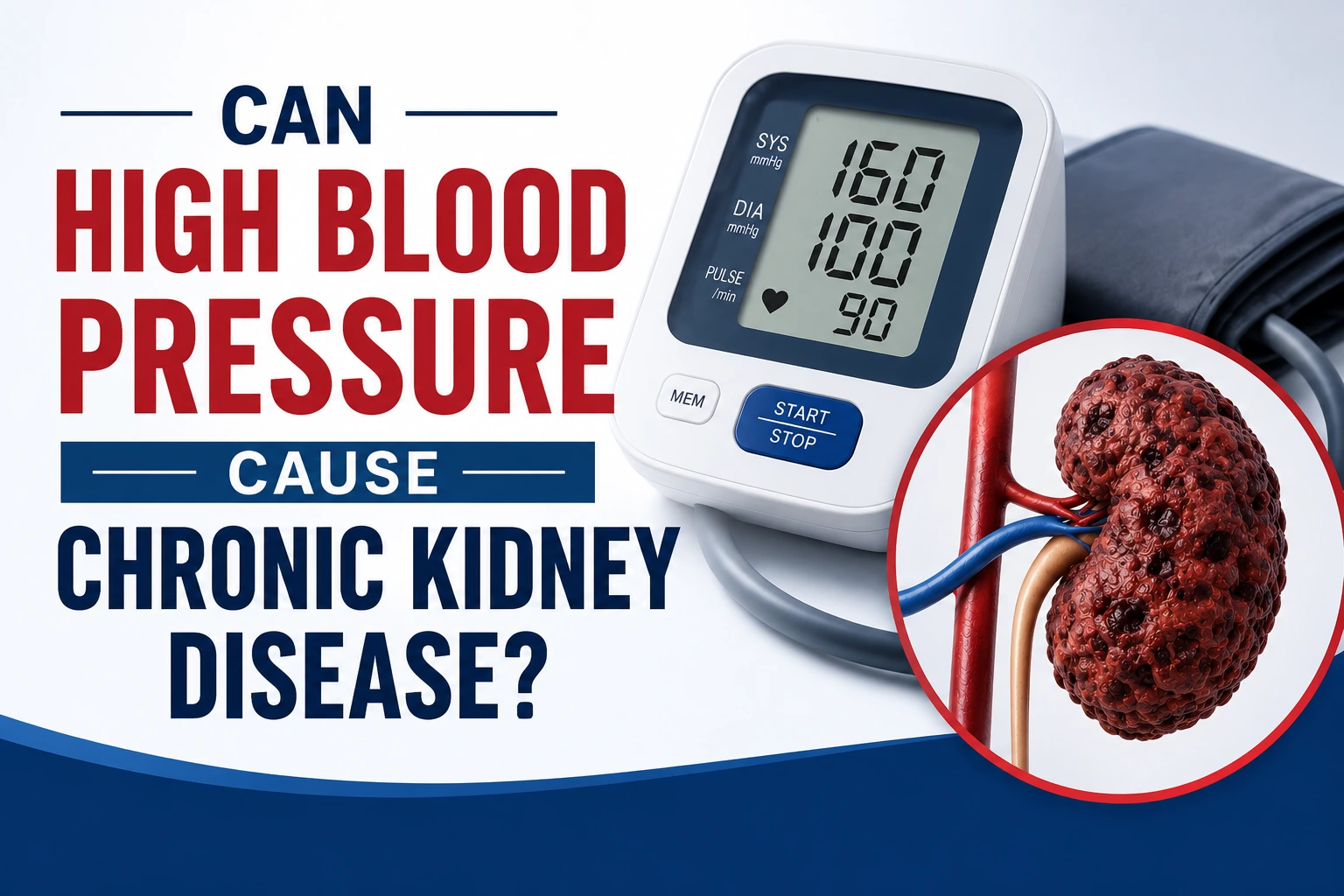
So, here's the deal, straight up: can high blood pressure cause chronic kidney disease? Absolutely. High blood pressure can contribute to chronic kidney disease (CKD), and it's one of the top two causes of CKD worldwide, basically neck-and-neck with diabetes for that unwanted title.
Yes, High blood pressure contributes to chronic kidney disease (CKD), which is one of the leading causes of CKD in the world. High blood pressure creates prolonged stress on the small blood vessels that filter waste from the body through the kidneys, resulting in declining kidney function, which can lead to increased blood pressure, creating a cycle that negatively affects both.
Fortunately, CKD can be prevented with proper blood pressure management through healthy lifestyle habits, regular physician visits, and appropriate treatment; therefore, early detection will improve the chances of protecting kidney function for those with high blood pressure due to the lack of symptoms associated with early kidney disease. Routine testing for early kidney disease is crucial for anyone with hypertension.
📞 Get a Kidney Health Consultation – Call Now!
High blood pressure kidneys are under constant strain, kind of like a boss who won't stop slamming doors and raising their voice. The kidneys can put up with that for a while; they're patient like that. But years of it? That wears anyone down, kidneys included.
Your kidneys are packed with tiny blood vessels called nephrons, and these things are basically delicate little filters. When blood pressure stays high for years, it puts extra force on those tiny vessels; kind of like running a garden hose on full blast through a coffee filter for way too long. Eventually, that filter starts to fray and tear. This is exactly how high blood pressure damages kidneys over time.
High blood pressure beats up the small arteries leading into the kidneys.
Damaged arteries mean less blood and oxygen actually reach the kidney tissue.
The nephrons start struggling, and over time, some of them just give up.
A weaker kidney gets worse at managing fluid and sodium, which can push blood pressure even higher.
And that last part is honestly the annoying twist. It's not a one-way street; it's a loop. High blood pressure can damage your kidneys, and damaged kidneys can crank your blood pressure up even more. Like two roommates blaming each other for the mess while the apartment somehow keeps getting messier anyway. Doctors often refer to this cycle as kidney damage hypertension, because each condition makes the other worse.
We're not just making this stuff up based on vibes, promise. A handful of big studies have dug into this connection over the years.
Probably the most cited one is the MRFIT study (Multiple Risk Factor Intervention Trial), done in the US and published by Klag and colleagues back in 1996. They followed over 300,000 men for about 16 years and found a pretty clear pattern; the higher the blood pressure, the higher the risk of kidney failure down the line.
Then there's the AASK trial (African American Study of Kidney Disease and Hypertension), which ran in the late 1990s into the early 2000s, led by researchers including Lawrence Appel. This one specifically looked at how controlling blood pressure affects kidney disease progression in African American patients, since this group tends to face higher risk from hypertension kidney disease.
More recently, the SPRINT trial (Systolic Blood Pressure Intervention Trial), published in 2015 by the National Institutes of Health, found that going more aggressive with blood pressure control improved heart-related outcomes. Its effect on kidney disease specifically was a bit messier and kicked off a lot of follow-up research that's still ongoing.
And zooming out globally, the Global Burden of Disease Study, which gets updated regularly by researchers across dozens of countries, keeps ranking high blood pressure as one of the top risk factors for chronic kidney disease worldwide.
None of these studies is saying that high blood pressure causes chronic kidney disease means a guaranteed ticket to kidney disease. What they show is a strong, consistent pattern; the kind that makes doctors pay attention, not the kind that means it's a done deal.
Yep, and this is where people get a little confused. Can high blood pressure cause chronic kidney disease? Yes, but the reverse is true as well. Chronic kidney disease can also cause high blood pressure. Your kidneys help control blood pressure by managing fluid levels and pumping out certain hormones. When they're not working properly, they struggle to do that job, which raises blood pressure even more. So sometimes doctors genuinely can't tell which one started first; chicken or egg; except in this case, both the chicken and the egg are quietly wrecking your circulatory system together.
Kidneys aren't dramatic. They don't throw fits or send obvious warning signals early on. Most people with early kidney damage feel totally fine, which is exactly why high blood pressure gets called a "silent" risk factor. Knowing the blood pressure and kidney disease symptoms can help you catch problems earlier. Still, a few things worth keeping an eye on:
Swelling around the ankles, feet, or eyes
Feeling unusually wiped out or weak for no clear reason
Needing to pee more often, especially at night
Urine that's foamy or bubbly
Trouble focusing or just feeling foggy
None of these automatically screams kidney disease. Could just mean you drank too much water before bed, or you're tired from existing in 2026. But if these stick around, it's worth bringing up with a doctor instead of falling into a 2 am internet-forum rabbit hole.
|
Question |
Short Answer |
Why It Matters |
|---|---|---|
|
Can high blood pressure cause CKD? |
Yeah, it's a major risk factor |
Long-term pressure wrecks kidney blood vessels |
|
Can CKD cause high blood pressure? |
Also yeah, it goes both ways |
Kidneys help control blood pressure and fluid |
|
Is it guaranteed to happen? |
Nope |
Genes, duration, and management all matter |
|
Can it be managed? |
Often, yes |
Controlling blood pressure kidney health can slow things down |
|
Are symptoms obvious early on? |
Usually not |
Kidney damage tends to stay quiet early on |
📞 Get a Kidney Health Consultation – Call Now!
This is the part where we skip the dramatic lecture and just keep it simple. Doctors generally suggest keeping blood pressure in a healthy range, staying active, easing up on the sodium (sorry, we know), going light on alcohol, and getting regular checkups that include kidney function tests, especially if hypertension runs in your family.
These habits lower the risk of hypertension and kidney failure and support long-term kidney function. None of this is some secret hack you've never heard before, and honestly, that's kind of the point. Protecting your kidneys isn't about chasing trendy biohacks. It's about doing the boring, consistent stuff for years, not chasing perfection for a few days and then giving up.
Also worth saying plainly: this article isn't trying to diagnose you or replace an actual conversation with a healthcare provider. Blood pressure kidney health are personal, layered, and what's true for one person's situation might not be true for someone else's. If you're worried about your blood pressure or kidney function, the best move is talking to a doctor who can actually look at your numbers, your history, and your specific risk factors.
High blood pressure and chronic kidney disease are linked, and the science backs that up pretty consistently. But "linked" doesn't mean "destined." Your kidneys are tougher and more forgiving than people give them credit for. Keep tabs on your blood pressure, don't brush off the quiet symptoms, and let your doctor be the one interpreting the actual numbers. Your kidneys have been quietly filtering your blood for years without ever complaining. The least you can do is return the favor.
📞 Get a Kidney Health Consultation – Call Now!
Usually, years of uncontrolled high blood pressure lead to renal issues.
High blood pressure damages the tiny blood vessels in the kidneys.
Yes, a severe kidney infection can cause a temporary rise in blood pressure in a few people.
Yes, advanced kidney disease or certain treatments and medications can sometimes lead to low blood pressure.