Jul 14 , 2026
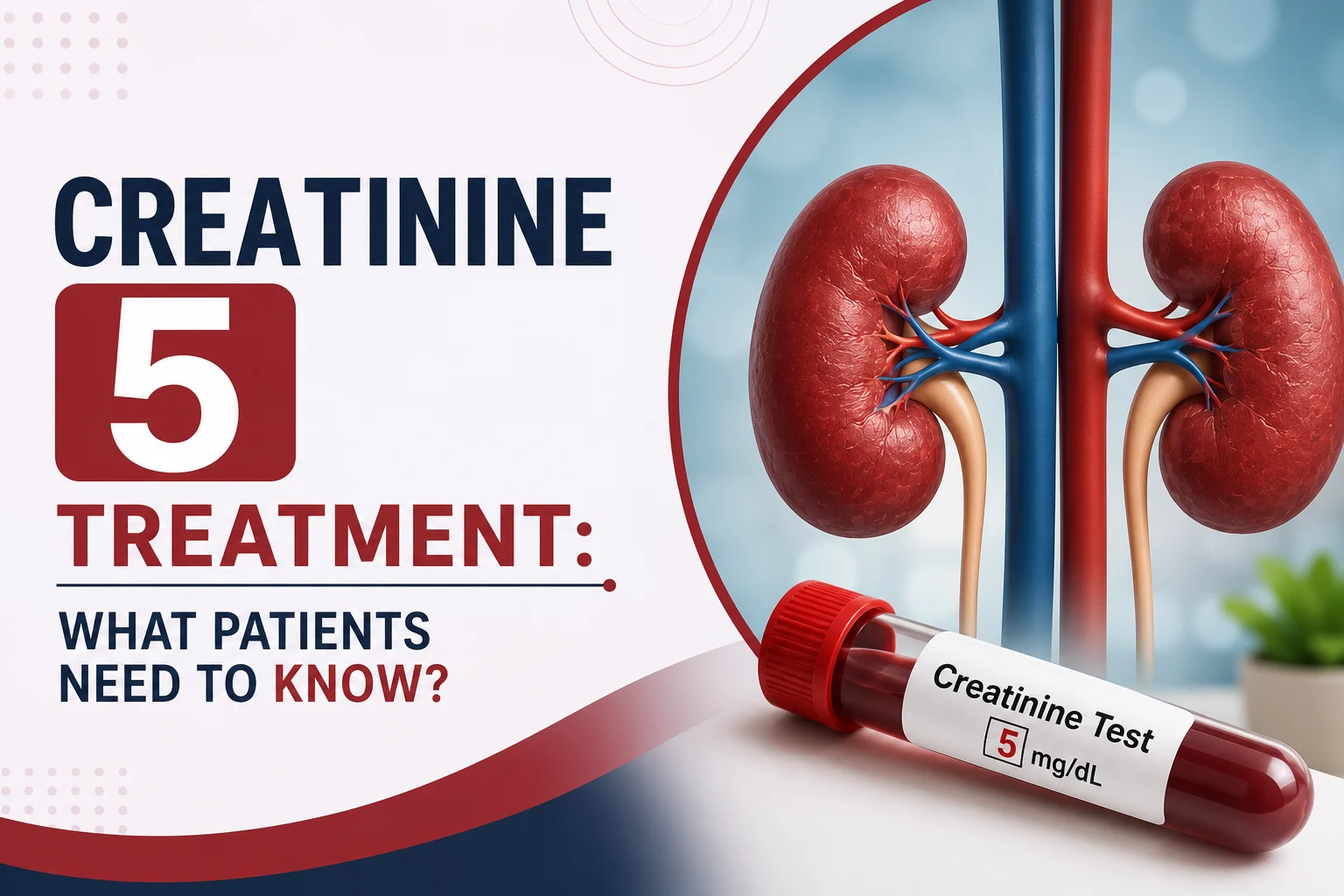
Alright, let’s have a real, filter-free talk about something that sounds like a scary sci-fi movie villain but is actually just a pesky little number on your blood test report: a creatinine level of 5. If you or a loved one just got this result, the ultimate goal of creatinine 5 treatment is to slow down further kidney damage, manage symptoms, and prep for advanced treatments like dialysis or a transplant if necessary. It’s definitely a wake-up call from your body, but it is absolutely not the time to panic; it’s time to build a solid game plan.
When your lab results show a 5, it generally means your kidney function has taken a noticeable hit. In medical terms, you’re likely looking at Stage 4 or Stage 5 Chronic Kidney Disease (CKD). At this point, your kidneys are operating at a fraction of their usual strength.
According to a landmark study published in The New England Journal of Medicine (the chronic kidney disease prognosis consortium), tracking these specific filtration rates is absolutely vital. The study emphasized that catching these numbers early allows for interventions that can drastically alter the course of renal failure, saving you from a lot of future headaches (and heartaches).
📞 Get a Kidney Health Consultation – Call Now!
When you hit this milestone, you aren’t just looking at a single magic pill. A comprehensive creatinine 5 level treatment and kidney care options plan is more like a lifestyle overhaul, a team effort between you and your medical crew.
The Medication Shuffle: Your doctor will likely prescribe blood pressure meds (like ACE inhibitors or ARBs) which pull double duty by protecting your kidneys. You might also get medications to balance your potassium and phosphorus levels.
The "New Normal" Diet: You’ll be saying a temporary goodbye to high-sodium processed foods, heavy protein feasts, and surprisingly, certain fruits like bananas (hello, potassium management).
Prepping for the Future: Your team will start discussing renal replacement therapies. This includes setting up access for dialysis or looking into a kidney transplant, just in case your kidneys decide to take a permanent vacation.
📞 Get a Kidney Health Consultation – Call Now!
Every person's body reacts differently to kidney failure chronic conditions. Some people feel relatively okay at a creatinine of 5, while others feel like they're running a marathon through a pool of molasses. Here is a quick, completely unpretentious look at your main paths forward:
|
The Strategy |
What It Actually Involves |
The "Keep It Real" Vibe |
|
Dialysis |
A machine steps in to do the filtering work your kidneys are skipping out on. |
It’s a time commitment, like having a part-time job you didn’t apply for, but it keeps the engine running. |
|
Conservative Management |
Focuses on meds, strict diet, and symptom control without machines. |
Choosing quality of life and comfort, keeping things steady for as long as possible. |
|
Kidney Transplant |
Getting a shiny new (or gently used) kidney from a generous donor. |
The gold standard, though it comes with a waiting list and a lifetime supply of anti-rejection meds. |
You shouldn't try to navigate this maze alone. Your quarterback in this game is a nephrologist, aka a kidney disease doctor. They are the experts who can look at your specific blood chemistry and tailor a creatinine 5 treatment that fits your life, not just a textbook.
A study in the American Journal of Kidney Diseases highlighted that early referral to a nephrologist significantly improves long-term outcomes for patients experiencing advanced CKD. Basically, getting an expert on your side early means you're much less likely to run into emergency situations down the road.
📞 Get a Kidney Health Consultation – Call Now!
Although a creatinine level of 5 is serious, it is a condition that can be managed by the right approach.
One of the methods you can use to help your kidneys is drinking and eating properly.
Ensure that you have a nephrologist who can help you out with your next steps as soon as possible.
Start looking into dialysis, transplants, and lifestyle changes immediately.
Yes. If this rise of creatinine level of 5 is due to sudden and temporary reasons, one can bring down creatinine levels by treating this cause.
Not an emergency but a serious condition that needs medical help.
Disclaimer: This article is for informational, educational, and sanity-saving purposes only. Kidney health is highly complex and individualized. Always consult with a qualified healthcare professional or a nephrologist before making any changes to your treatment plan, diet, or lifestyle.